8 Effective Ways To Build Your Assets – For Non-Music Creators Like Poco Lee
Your Audience Is Not an Asset: How African Non-Music Creators Can Build a Creator Safety Net
For years, the advice to aspiring African creatives has sounded almost the same: build your audience, stay consistent, go viral, grow your personal brand and attract brands. While this is good advice, on the flipside, it leaves out one very important question:
What happens when you can no longer monetize yourself?
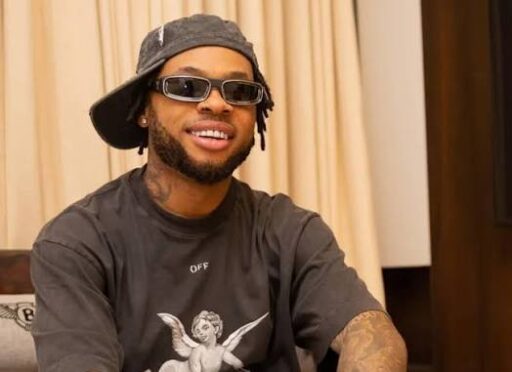
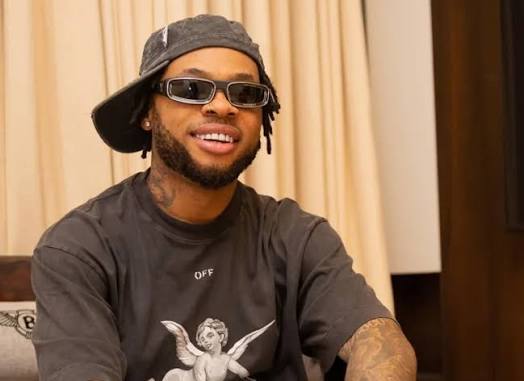
That question has come back into focus following the case involving Nigerian dancer and hypeman Poco Lee.
Poco Lee’s situation is a legal matter that will ultimately be determined by the courts, and he has not been convicted of the allegations against him. But the commercial implications surrounding a situation like this can arrive long before a court reaches a verdict. Brands can reconsider partnerships. Promoters can cancel bookings. Events can remove performers from line-ups.
And for a creator whose income depends heavily on appearances, endorsements and public perception, the financial impact can be immediate. That is the bigger lesson.
What does a creator actually own that can continue generating value when their personal brand is temporarily unable to?
In a recent analysis by YNaija, it was put bluntly: musicians have an advantage because a successful music catalogue can continue generating royalties through streaming, publishing, licensing, performance rights and other uses even when the artist is not physically performing. Most creators don’t have that luxury and that is a problem.
The creator can become the entire business
Consider how many African creators make money today. A dancer gets booked for performances, a comedian gets paid for appearances and brand campaigns, and a host gets paid to host events. Also, an influencer gets paid to post, a photographer gets paid to shoot, a makeup artist gets paid when a client sits in their chair, and a content creator gets paid to produce another campaign.
There is nothing wrong with any of these models. In fact, they are legitimate and often lucrative businesses. The problem begins when all of the income disappears the moment the creator stops working. That is the difference between earning an income and building an asset.
If a creator makes ₦2 million from four brand campaigns this month, they have earned ₦2 million but if those campaigns disappear next month, what remains?
If a dancer earns ₦500,000 from performances this month but cannot perform for the next six months, what continues to earn?
If a comedian’s bookings suddenly dry up, does the comedian own anything that can still be licensed, sold, rented, streamed or subscribed to?
This is the vulnerability that the creator economy doesn’t talk about enough.
The African creator economy is growing into a multibillion-dollar market, but the money is not being distributed evenly. The 2026 Africa Creator Economy Report estimates the market at about $3 billion and projects it could reach $17.8 billion by 2030. Yet around six in ten African creators reportedly earn less than $100 per month from their creative work.
So the challenge isn’t simply getting more people to become creators. It is helping creators build financially durable creative businesses.
The lesson isn’t that every creator needs a music catalogue
This is where the conversation can easily go wrong. A dancer doesn’t necessarily need to become a musician neither does a comedian doesn’t need to release an album or a photographer needing to become an influencer. The real lesson from the music industry is the asset model.
Musicians eventually learned that the song isn’t just something they perform. It is intellectual property that can be recorded, distributed, licensed, streamed, synced to films, performed by others and monetized in different ways.
Other creators can think about their work in the same way:
A dancer can create and document original choreography.
A comedian can develop characters, formats and recurring shows.
A filmmaker can build a library of films.
A photographer can build a licensable archive.
An illustrator can create characters and visual properties.
A designer can develop designs and trademarks.
A writer can build books, newsletters, courses and intellectual property.
A creator’s body of work shouldn’t disappear into an Instagram feed. It should become an asset library.
Some African creators are already moving in this direction
Look at Mark Angel. What started as short comedy videos evolved into the Mark Angel Comedy brand, a digital entertainment platform with a large library of content and audiences across multiple markets. The business has continued to operate as a recognizable content property rather than simply depending on Mark Angel appearing at events. That distinction matters. The creator is important but the catalogue is important too.
Taaooma provides another interesting example. She became known for her comedy and characters, but her career has expanded into cinematography and directing, while she has also established Chop Tao, a food company. Her recent profile in Guardian Life describes her as both a content creator and cinematographer while highlighting her move into entrepreneurship.
KieKie offers another version of the same principle. Her public identity is built around media, entertainment, fashion and content, but she also owns Accost Collections, a fashion business she started before her rise as one of Nigeria’s most recognizable digital creators.
None of these examples means their businesses are automatically recession-proof or immune to reputational risk. That isn’t the point. The point is that they demonstrate what happens when a creator begins moving from being the product to owning products and that is the transition more African creators need to make.
Ways To Build Your Creator Assets For Non-Music Creators
A creator safety net is not one magical second income stream. It is a collection of assets, revenue streams and systems designed to ensure that one bad month doesn’t become a financial crisis.
Here is where creators can start:
1. Build a catalogue, not just a feed
Your old work shouldn’t simply disappear underneath your latest post. Create an organized library of your work.
For a comedian, that could mean hundreds of sketches, characters and recurring formats.
For a photographer, thousands of photographs that can potentially be licensed.
For a designer, a collection of original designs.
For a dancer, recorded choreography, tutorials and performances.
For a filmmaker, films, documentaries and other audiovisual work.
The question should change from:
“What am I posting today?”
to:
“What am I building that can still have value five years from now?”
That mindset alone changes how a creator approaches their work.
2. Stop selling only your time
This may be one of the biggest financial traps in creative work.
When you perform, you get paid.
When you shoot, you get paid.
When you appear, you get paid.
When you consult, you get paid.
But the clock resets every morning. Creators should therefore look for ways to turn their expertise into products.
A photographer could sell presets.
A designer could sell templates.
A filmmaker could create educational programs.
A dancer could build an online choreography course.
A makeup artist could create a masterclass.
A writer could publish books or paid newsletters.
A creator could build digital products around the knowledge they’ve accumulated.
The goal isn’t to stop selling services. It is to ensure that services aren’t the only thing being sold.
3. Own something outside the platform
One of the most dangerous misconceptions in the creator economy is confusing an audience with ownership. You may have 500,000 followers but Instagram owns Instagram. TikTok owns TikTok. YouTube controls the platform on which your channel operates.
Your followers are valuable, but they are not the same thing as an owned customer base.
This is why creators should gradually build assets they control:
A website
An email list
A customer database
A community
A digital store
A mailing list
A properly managed customer relationship system
The objective is simple:
Turn rented attention into owned relationships.
If an algorithm changes tomorrow, your entire business shouldn’t disappear with it.
4. Protect the intellectual property
Creating something and owning it are not always the same thing. This is particularly important when working with brands, production companies, agencies and collaborators. Before signing an agreement, creators need to understand:
Who owns the work?
Who owns the footage?
Who owns the photographs?
Can the brand continue using the content after the campaign?
For how long?
In which countries?
Can the content be edited?
Can it be sublicensed?
What happens if the campaign is cancelled?
Do you retain rights to your underlying concept?
What happens when the contract ends?
These aren’t questions reserved for lawyers representing celebrities. They are business questions.
Nigeria’s Copyright Act 2022 provides protections for different categories of creative work and specifically recognizes performers’ rights. Its framework also covers performances and allows creators to exercise rights around the use of protected works. But having legal protection isn’t enough.
Creators need to know what they own before someone else tells them what they own.
5. Separate the creator from the company
This is another important evolution. At some point, the creator should consider whether the business can be structured as more than one person’s bank account.
Register the business where appropriate.
Keep proper financial records.
Separate business and personal finances.
Track income by revenue stream.
Document intellectual property.
Keep contracts.
Know what the business owns.
Know what the creator personally owns.
It may feel excessive when you’re just starting but the earlier creative work is treated as a business, the easier it becomes to attract investment, partnerships and financing later.
6. Build multiple revenue streams but don’t confuse diversification with chaos
Diversification doesn’t mean doing twenty unrelated things. A creator’s revenue streams should ideally reinforce each other. Think about it as an ecosystem.
The strongest creator businesses aren’t necessarily the ones with the most revenue streams. They’re the ones where one asset creates opportunities for another.
7. Create a financial buffer
This is the least glamorous part of the conversation, but perhaps the most important. A creator safety net also requires actual cash because even with intellectual property and multiple businesses, revenue can be unpredictable.
A creator who earns ₦5 million in December shouldn’t automatically treat December’s income as their new monthly salary. Some of it needs to become runway. That could mean building an emergency fund, maintaining a business reserve, planning for taxes, getting appropriate insurance and understanding exactly how much it costs to keep the business running every month.
The objective is to create enough breathing room that a cancelled campaign doesn’t immediately become an emergency.
8. Build a team before you think you need one
Another vulnerability is that many creators know how to create but don’t know how to manage the business around the creativity. At some point, creators may need access to:
An accountant
An entertainment/IP lawyer
A manager
A business adviser
A financial planner
A trusted operations person
They don’t all need to be full-time employees but creators should recognize when a business has become too valuable to run entirely from a WhatsApp chat and a personal bank account.
The creator economy needs to change what it celebrates
There is a lot of celebration around follower counts. 10,000 followers, 100,000 followers, One million followers, 10 million views but perhaps the more important questions are:
How much does the creator own?
How much of their income is recurring?
How much revenue comes from assets rather than appearances?
How many months could the business survive without a major brand deal?
Does the creator have customers or only followers?
Does the business have intellectual property?
Can the business generate money without the creator physically showing up?
These metrics aren’t as exciting as a viral post but they are much closer to measuring financial resilience.
Because the ultimate goal isn’t to become indispensable to your audience
It is to build something that remains valuable even when you aren’t available. That’s the uncomfortable lesson sitting underneath the Poco Lee conversation. A creator’s face can be an incredible business asset, their personality can be an incredible business asset and their reputation can be an incredible business asset but none of those should be the only asset.
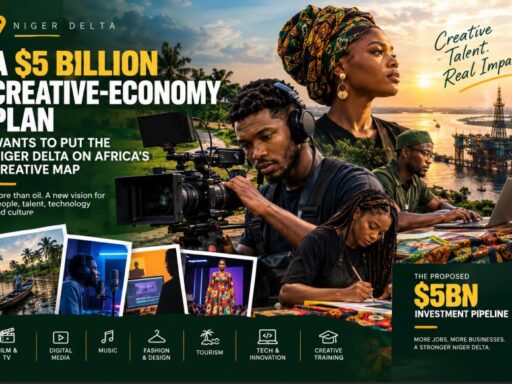
The African creative economy is entering a period where the conversation is gradually moving beyond visibility and into ownership, financing and business structure.
That shift matters because we don’t just need African creatives who can go viral.
We need creatives who can build companies.
We need creatives who own intellectual property.
We need creatives who can license their work.
We need creatives who can employ other people.
We need creatives whose businesses can survive a bad quarter.
And ultimately, we need creatives who can make money from what they have already created, not only from what they are being asked to create next.
Your audience can open the door, your creativity can get you through it but what you own is what can keep paying you after the applause stops.