Seven-Year-Old Artist Receives ₦2.5 Million and Scholarship After Portrait Goes Viral
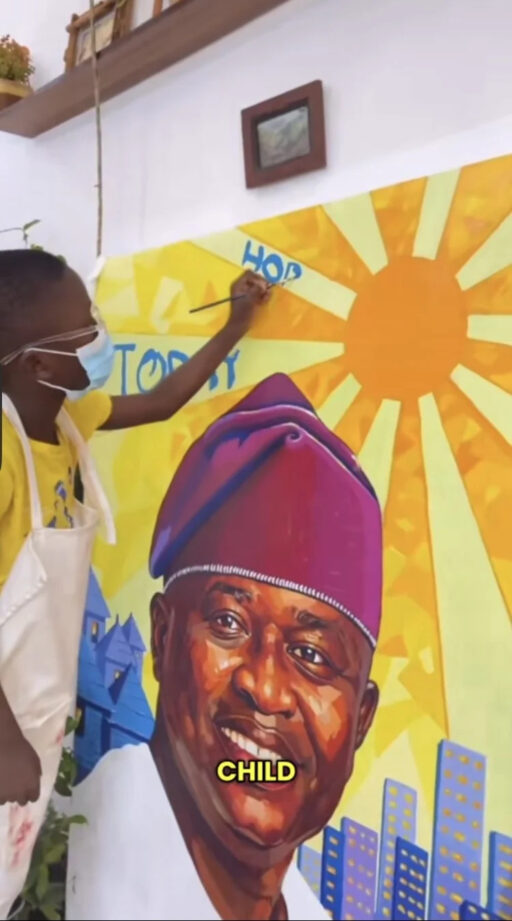
A portrait created by seven-year-old artist Kendis has earned him a ₦2.5 million cash gift and a full scholarship up to university level, demonstrating how creative talent, visibility, and the right opportunity can transform a young person’s future.
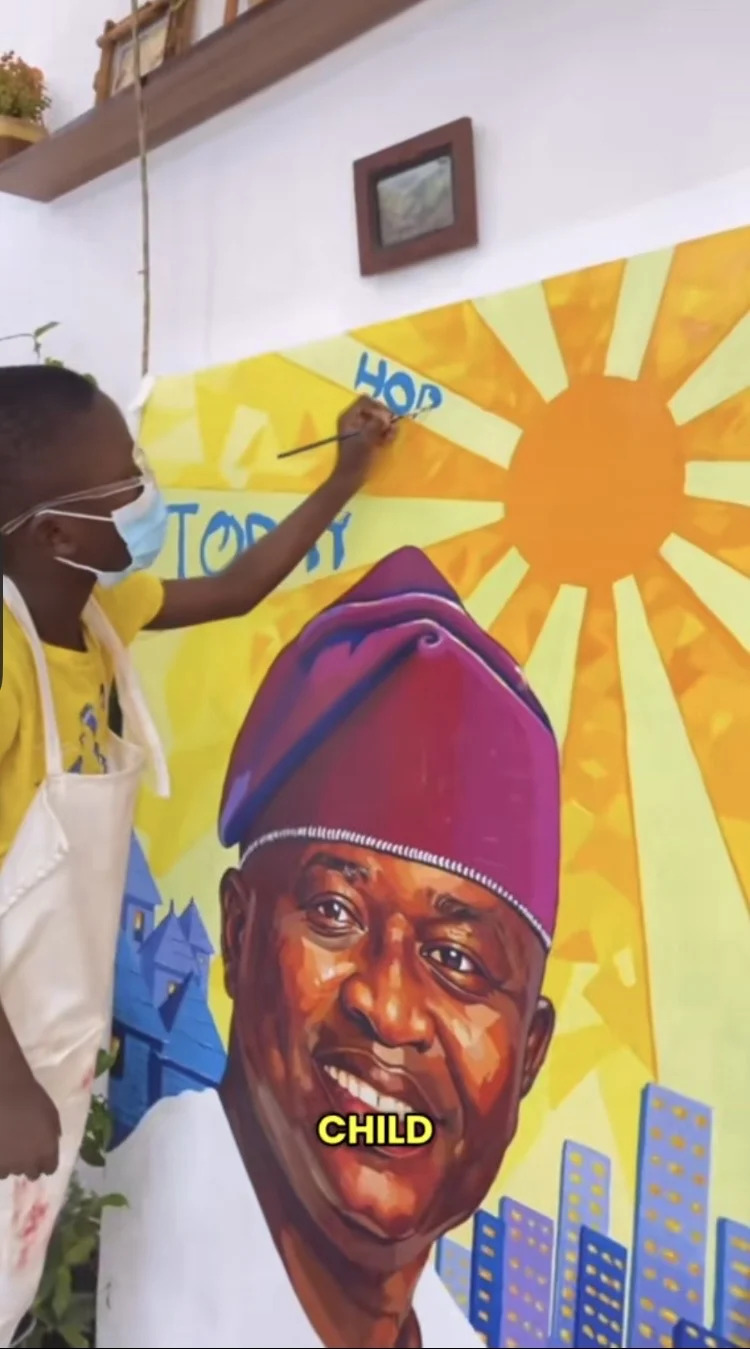
Kendis received the award from Senator Solomon Adeola, popularly known as Yayi, the All Progressives Congress governorship candidate in Ogun State, after a portrait he painted of the lawmaker gained widespread attention online.
The young artist was recognised on Sunday during Senator Adeola’s Scholarship and Bursary Award Ceremony, where he was invited to present the original artwork to the senator.
According to Emmanuel Ojo, who shared the development on Facebook, Kendis was warmly received by Adeola and his wife, Temitope Adeola, before the scholarship and cash reward were announced.
The moment drew applause from attendees and sparked wider conversations about the importance of recognising and supporting young creative talent.
“Tomorrow never comes”
The story behind the portrait appears to have resonated as strongly as the artwork itself.
In a video shared through his father’s TikTok account, @noahs_ark.ng, Kendis explained that the idea grew out of conversations about financial hardship at home.
He recalled how his father would sometimes ask him to manage meals without certain items while assuring him that things would get better soon.
“When I asked him when soon would come, he said, ‘In the nearest future,’” Kendis explained.
When he asked when the nearest future would arrive, his father answered, “Tomorrow.”
But the young artist began to question the promise of a better future that always seemed to remain out of reach.
“Tomorrow, tomorrow, tomorrow. Every time, tomorrow,” he said. “Tomorrow never comes for my daddy.”
Rather than continue waiting for change, Kendis decided to imagine and create the future he wanted to see.
“Instead of waiting for tomorrow to come, let us paint tomorrow today,” he said. “Let us paint the future now, so we don’t have to wait any longer for tomorrow that never comes.”
The message became the creative foundation for the portrait and the story surrounding it.
When creativity becomes a way to imagine possibility
Kendis’ story highlights something overlooked in conversations about the creative economy: creativity is not only a source of entertainment or income. It can also be a way for people to interpret their experiences, express hope, and imagine possibilities beyond their present circumstances.
Through the eyes of a child, the portrait became more than an image of a public figure. It represented a desire for change and a belief that the future does not always have to remain distant.
“We painted joy, we painted hope, we painted happiness, we painted our aspiration,” Kendis said in the video.
“We painted today. No more waiting for tomorrow.
“Tomorrow is now. Our future is now.”
That message helped turn a personal creative project into a story that reached a much wider audience.
Visibility created an opportunity
The portrait first gained public attention after it was posted on TikTok through Kendis’ father’s account.
The journey from a young artist creating work at home to receiving a major scholarship and financial reward illustrates the role digital platforms can play in expanding access to opportunity.
Talent may exist in homes, classrooms, and communities without receiving wider recognition. But when creative work is documented and shared effectively, it can reach audiences, institutions, supporters, and decision-makers who may otherwise never encounter it.
In Kendis’ case, the combination of artistic ability, storytelling, and online visibility helped bring his work to national attention.
The story also shows that creative visibility is not always about chasing popularity. Sometimes, it is about making talent discoverable and creating pathways for meaningful opportunities to emerge.
The role of family support in developing young talent
Kendis created the portrait with guidance from his father, highlighting the role parents and guardians can play in helping young creatives develop their abilities.
For children with creative interests, support does not always require expensive equipment, formal training, or access to major institutions. Encouragement, time, mentorship, and opportunities to practise can also make a meaningful difference.
His father’s decision to support the creative process and share the work online helped connect Kendis’ talent with a larger audience.
As Nigeria’s creative economy continues to grow, families may also become important parts of the talent-development ecosystem. Many young artists, filmmakers, musicians, designers, writers, and digital creators begin exploring their abilities long before they enter formal creative industries.
The challenge is ensuring that talent is nurtured without placing unrealistic expectations or commercial pressure on young people.
Investing in talent beyond the moment
The ₦2.5 million gift provides immediate financial support, but the scholarship may have an even longer-term impact.
Access to education can help young creatives develop broader skills, explore different interests, and build the knowledge needed to navigate future opportunities.
The award also raises a wider question about how society supports creative talent.
Recognition can be valuable, but sustainable creative development requires more than one-off rewards. Young creatives also need access to education, mentorship, creative spaces, tools, professional guidance, and opportunities to grow over time.
For a country with a large and youthful population, investing in young talent could contribute to the future of Nigeria’s creative industries.
A reminder that creative work can open unexpected doors
Kendis’ story is ultimately about more than a viral portrait or a financial reward.
It is a reminder that creative expression can create connections, attract opportunities, and change how people see what is possible.
At seven years old, Kendis used art to express a hope that his family’s circumstances could improve. His work was then seen by people who responded with support that may shape his educational journey for years to come.
The future he imagined through art may still be unfolding, but one thing has already changed: he no longer has to wait for tomorrow to begin creating it.