Layi Wasabi at Africa Blockchain Festival 2026 in Nairobi
Layi Wasabi Joins Africa Blockchain Festival 2026 to Discuss the Business of Being an African Creator
Nigerian comedian and content creator Layi Wasabi took his perspective on the creator economy to Nairobi, Kenya, as part of the Africa Blockchain Festival (ABF) 2026, where he joined industry voices for a conversation about the business behind being an African creator.
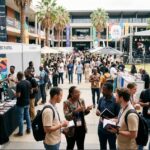
The festival ran from October 15 to 17 at the Sarit Expo Centre under the theme “Capital, Code, and Continuity: Building Africa’s Permanent Digital Economy.” Its program brought together conversations about blockchain, artificial intelligence, investment, digital ownership and the future of Africa’s technology-driven economy.
Layi Wasabi appeared on the program on October 16 for a fireside session titled “The Business of Being an African Creator; Money, Ownership, and the Real Conversation.” He joined Olufemi Oguntamu, CEO of PENZAARVILLE AFRICA, and creative entrepreneur Lulu Haangala-Wood, with Abisola Oyewole moderating the discussion. The session was part of the festival’s wider focus on the creator economy.
Why was a comedian part of a blockchain festival?
At first glance, a comedian joining a blockchain-focused event might seem like an unexpected combination. But the connection becomes clearer when the conversation shifts from the content creators make to the businesses they build around that content.
Today’s creators operate across entertainment, advertising, digital platforms and entrepreneurship. Their work can generate income through brand partnerships, commissioned content, live appearances, acting roles and other commercial opportunities. Yet building a sustainable career requires more than attracting views and followers.
Creators must also understand how they earn, who owns the work they produce, how commercial agreements are structured and what happens when the platforms they rely on change their rules.
These questions connect the creator economy to broader discussions about digital ownership, financial infrastructure and technology.
The festival’s decision to include a session dedicated to the business of content creation reflects the growing overlap between creative industries and the digital economy.
Layi Wasabi and the business behind online entertainment
Layi Wasabi, whose real name is Isaac Ayomide Olayiwola, built a following through comedy that blends intelligent satire, legal-themed humour and a distinctive deadpan delivery.
His work has also extended beyond short-form digital comedy into acting and brand collaborations, illustrating how an online creative identity can become a broader entertainment career.
That makes his appearance relevant to conversations about the modern creator business. A creator’s audience may begin on social media, but opportunities can extend into film, advertising, events and other areas of entertainment.
The challenge is turning that visibility into a career that can grow beyond the performance of any single video or platform.
For emerging African creators, this means thinking about content as both creative expression and professional work. Building an audience matters, but so do consistency, commercial relationships, ownership and the ability to identify opportunities beyond social media metrics.
The real conversation: money, ownership and sustainability
The title of the ABF session points to three issues that continue to shape the creator economy.
1. Making money beyond views
High engagement does not automatically translate into reliable income. A creator can attract millions of views without earning proportionately from those views, depending on the platform, audience location and monetization arrangements.
Creators therefore need to understand the different ways their work can generate revenue, from brand partnerships and commissioned campaigns to appearances, licensing and other business opportunities.
The right mix depends on the creator’s audience, skills and business model. The broader lesson is that visibility should be developed into a deliberate commercial strategy rather than treated as an end in itself.
2. Understanding ownership
Ownership becomes increasingly important as creators produce more valuable intellectual property, including characters, formats, scripts, videos and other original material.
Understanding contracts, usage rights, licensing and permissions can help creators make informed decisions about how their work is used and how they are compensated.
This is particularly relevant when working with brands, production companies or digital platforms. Creators should understand what rights they are granting, for how long, and whether those rights restrict future uses of their work.
3. Building beyond a single platform
Social media can help creators reach large audiences quickly, but dependence on one platform carries risks. Changes to algorithms, monetization policies or audience behaviour can affect reach and income.
Developing a recognizable brand, maintaining direct relationships with audiences, diversifying revenue and exploring opportunities across different media can make a creator’s business more resilient.
These are not problems that technology alone can solve. They require business knowledge, good agreements and strategic decisions from creators and their teams.
Where blockchain fits into the creator economy
Blockchain technology is often discussed in relation to digital ownership, payments, tokenization and decentralized platforms. In principle, these tools may offer new ways to record transactions, manage digital assets or facilitate payments.
But technology should not be confused with a guaranteed solution to the creator economy’s challenges. A blockchain-based product does not automatically create an audience, ensure fair compensation or protect every form of intellectual property.
For creators, the useful question is whether a particular tool solves a real problem: making payments easier, improving transparency, enabling a workable ownership model or creating access to a market that was previously difficult to reach.
That practical perspective is important as African creators explore emerging technologies and the opportunities—and risks that accompany them.
What African creators can take away from ABF 2026
Layi Wasabi’s appearance placed a familiar creative-industry question within a wider conversation about Africa’s digital future: how can people who create value online build businesses that allow them to benefit from that value over time?
For creators developing their careers, a few principles remain relevant:
Treat your creative output as valuable work, not just content for engagement.
Understand the commercial terms of brand deals, licensing arrangements and production contracts.
Develop revenue streams that fit your audience and creative strengths.
Build a recognizable identity that can travel across platforms and media.
Evaluate new technologies based on the problems they solve, not simply the excitement surrounding them.
These steps will not remove every uncertainty from a creative career, but they can help creators make more informed decisions about growth and sustainability.
A wider place for creators in Africa’s digital economy
The Africa Blockchain Festival’s program covered investment, technology, regulation and digital infrastructure. Including a discussion about creator income and ownership widened that conversation beyond developers, investors and technology companies.
Creators are also participants in the digital economy. Their work generates attention, cultural influence, intellectual property and commercial opportunities. The challenge is ensuring that creative value can translate into sustainable businesses and careers.
Layi Wasabi’s appearance in Nairobi offered a useful point of connection between entertainment and those larger questions. As Africa’s technology and creative sectors continue to intersect, conversations about money, ownership and the business of creativity will remain important to the people building careers in both.