Lagos Creative Economy Beyond Afrobeats: Fashion, Art and Global Reach
Beyond Afrobeats: How Lagos Creatives Are Connecting with Global Fashion and Art
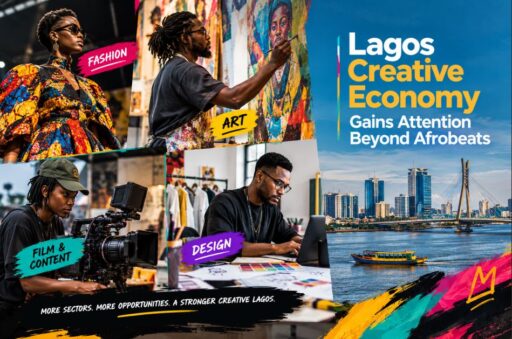
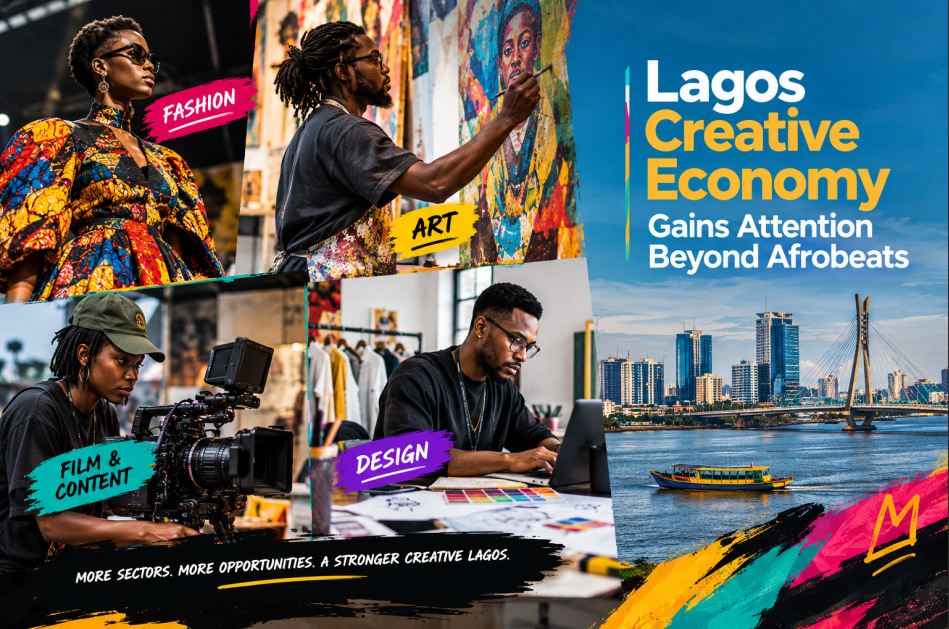
Afrobeats may be one of Nigeria’s most recognizable cultural exports, but it is not the only creative force putting Lagos on the international map. Fashion, art, design and digital content are also creating routes for Nigerian talent to reach global audiences.
A recent example is Lagos-based creator and model Rachel Ojuromi, who made her runway debut at Chanel’s Spring/Summer 2027 show in Paris on October 5. Her journey to the runway began with fashion videos created in Lagos with her friend, stylist and designer Debby Fasingha.
The story offers a compelling illustration of how local creativity can attract international attention without beginning with a traditional route through the global fashion system.
It also points to a larger shift: Lagos’s creative economy is made up of connected scenes, where social media, fashion, film, music and visual art can influence one another and open different kinds of professional opportunities.
Rachel Ojuromi’s journey from Lagos to Chanel
Ojuromi and Fasingha gained attention for recreating looks inspired by Chanel’s Métiers d’Art collection using thrifted clothing and locations around Lagos. Their reinterpretations drew online attention, including from Chanel’s creative director, Matthieu Blazy, who later invited Ojuromi to walk in the house’s Spring/Summer 2027 presentation in Paris.
The sequence is striking because the work began as a creative exercise rooted in the pair’s own interpretation of fashion. It was not simply a campaign commissioned by an international luxury house.
The moment highlights how creators can use styling, photography, video and social platforms to present a distinctive perspective to audiences far beyond their immediate networks.
It should not be treated as a guaranteed formula for international success. Viral attention is unpredictable, and one creator’s path will not automatically work for another. But the story shows that original ideas, strong execution and a recognizable point of view can create opportunities that are difficult to plan in advance.
Lagos is more than a music city
More often than not, you can associate Nigeria’s global creative reputation with Afrobeats and Nollywood. Both remain important, but the wider creative landscape includes fashion designers, stylists, photographers, visual artists, architects, digital creators and independent cultural organizations.
Lagos is particularly important because these disciplines frequently overlap. A music video may introduce a designer’s work to new audiences. A fashion shoot may draw on local architecture or street culture. A social-media creator may move into modelling, brand partnerships or creative direction.
These connections make the Lagos creative economy more than a collection of separate industries. They form a network of talent, audiences, businesses and cultural spaces that can create opportunities across disciplines.
Organizations behind initiatives such as Lagos Fashion Week, ART X Lagos and Design Week Lagos also help connect local creatives with buyers, audiences and industry professionals.
What the fashion story reveals about digital visibility
Ojuromi’s story began with online content, but the opportunity that followed extended into the physical world of international fashion.
For emerging creators, this is an important distinction. Social media can help demonstrate creative ability, build a portfolio and make work discoverable. Yet visibility becomes more valuable when it can lead to paid work, professional relationships, new clients or a more sustainable career.
Creators hoping to build on digital attention should consider how they present their work and whether their profiles make it easy for potential collaborators to understand their strengths.
A clear portfolio, consistent visual identity, professional contact information and evidence of completed projects can help convert attention into opportunities.
The business side of creative success
International recognition can be exciting, but creative careers also depend on less visible work: contracts, budgeting, planning, intellectual-property rights, professional relationships and financial management.
Fashion designers may need production capacity and reliable suppliers. Stylists may need to build relationships with photographers, models, brands and publications. Digital creators may need to understand usage rights, fees and exclusivity clauses when working with commercial partners.
For creative entrepreneurs, the goal should be to build systems that allow opportunities to translate into sustainable work rather than treating every viral moment as an isolated success.
What this means for African creatives
The Lagos creative scene offers a reminder that international opportunities do not always emerge from the industries that receive the most attention.
Fashion, art, design and digital storytelling can all provide routes to new audiences. Their growth also creates opportunities for the wider ecosystem, including photographers, stylists, producers, designers, writers and creative businesses that support the work.
For Nigeria, the challenge is to help these opportunities become more than occasional headlines. That means investing in creative infrastructure, professional development, commercial relationships and platforms that help local talent reach customers and audiences consistently.
Beyond the viral moment
Rachel Ojuromi’s Chanel debut is a notable milestone, but its broader relevance lies in what it reveals about the relationship between local creativity and global visibility.
Lagos creatives are not waiting for a single industry to define their international relevance. They are working across different forms of expression, using local references and digital tools to build work that can travel.
Afrobeats remains a powerful part of Nigeria’s cultural influence. The next chapter, however, may be shaped just as much by the designers, artists, stylists and digital creators whose work expands how the world sees Lagos.