The Furious On A $20 Million Budget: What African Creatives Can Learn From It
Here’s Why Bigger Budgets Don’t Always Win and What African Creatives Can Learn from The Furious.
One of the biggest lies creatives tell themselves is this:
“I’ll start when I have better equipment.”
“I’ll create when I can afford a bigger budget.”
“I’ll launch when I have more resources.”
But you want to know the truth?
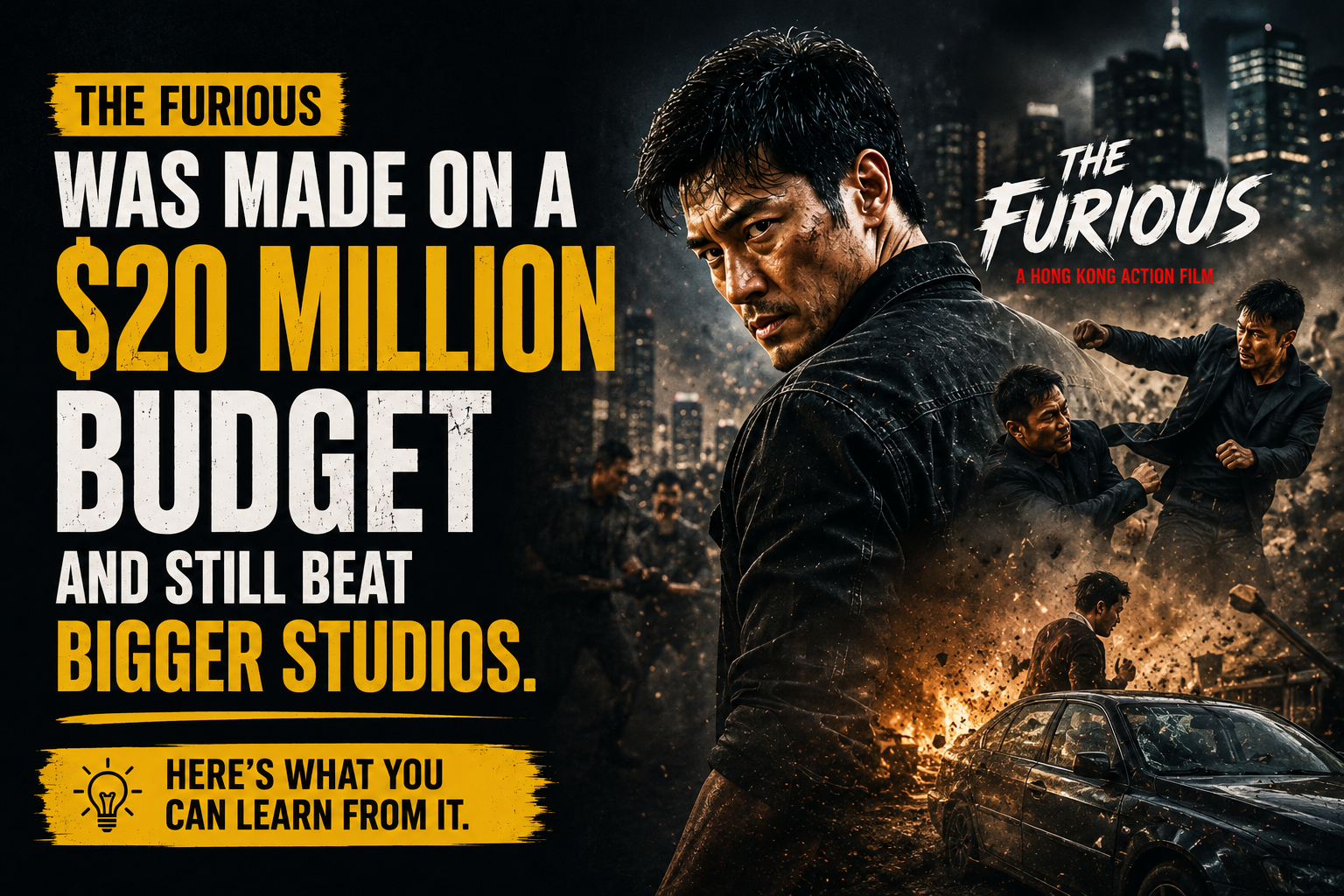
Many successful projects weren’t built with unlimited budgets. They were built by people who knew how to maximize what they had. That’s exactly what makes The Furious, a Hong Kong action film, such an interesting case study.
Produced on a budget of approximately $20 million modest by the standards of many international action films, the movie went on to earn more than $30 million at the global box office, outperforming several productions backed by much larger studios.
What African Creatives Can Learn from The Furious is that it wasn’t the most expensive film. It simply made better use of its resources.
Great Execution Beats Big Spending
Hollywood has conditioned audiences to believe bigger budgets automatically produce better movies. Sometimes that’s true and often times, it isn’t.
A larger budget can buy bigger sets, expensive visual effects, celebrity actors, and aggressive marketing campaigns. What it cannot buy is a compelling story, originality or creativity. These things still come from people.
According to critics and audiences, The Furious succeeded because it focused on delivering engaging action sequences, strong pacing, and an entertaining experience rather than trying to compete through spectacle alone.
Instead of asking, “How do we spend more?”
The filmmakers asked,
“How do we make every dollar count?” This question changed everything.
The Same Challenge Faces African Creatives
This lesson extends far beyond filmmaking. Across Africa, thousands of talented photographers, designers, filmmakers, writers, musicians, animators, and entrepreneurs postpone their dreams because they believe they need more money before they can compete.
They compare themselves to creators with expensive cameras, luxury studios, large production teams or corporate sponsorships and then convince themselves they’re already behind. But audiences rarely ask how much your project cost.
They ask one simple question:
“Is it good?”
That’s the standard your work is judged by and not really your budget.
Resourcefulness Is a Competitive Advantage
Some of the world’s most respected entrepreneurs began in garages. Independent filmmakers have won international awards using borrowed equipment. Musicians have recorded hit songs from home studios. Content creators have built audiences of millions using nothing more than a smartphone and consistency.
None of them waited for perfect conditions. Rather, they started with what they had. Creativity has always rewarded resourcefulness. Sometimes, having fewer resources forces you to become a better problem solver. You become more intentional, more disciplined and more focused on quality.
Ironically, those habits often become the reason you succeed later.
Focus on Excellence, Not Volume
One mistake many creatives make is trying to produce more content instead of producing better content. If your resources are limited, don’t spread yourself thin. Instead, channel your energy into creating fewer projects but make each one exceptional.
A single outstanding portfolio piece can create more opportunities than twenty average ones. Whether you’re designing a logo, producing a short film, writing a blog, recording music, or launching a product, ask yourself:
“Would I proudly show this to my dream client?”
If the answer is no, improve it. Know this, quality compounds.
Build Before You Blow Up
Many creatives spend too much time waiting for exposure. What they fail to understand is that exposure usually follows consistency.
Share your work regularly, document your process, engage your audience, collaborate with other creators, and build relationships within your industry. Opportunities rarely appear out of nowhere. They’re often created through visibility and trust. The more people who know your work, the more opportunities you’ll create for yourself.
Creativity Is a Business
From the start, it can be passion but business keeps you going. If you that you want a long-term creative career, don’t depend on one client, one platform, or one viral moment. Think about how your skills can generate income in different ways.
You might offer freelance services while selling digital products such as templates, presets, or e-books. You could license your work, partner with brands, teach online, create paid communities, or earn through affiliate marketing. Diversifying your income doesn’t just increase your earnings, it also makes your creative career more resilient when one source of income slows down.
Wrapping Up
The Furious didn’t outperform bigger productions because it had the biggest budget. It succeeded because its creators focused on delivering value with the resources available to them. This is what we believe every African creatives can learn from the story behind The Furious and apply it.
You may not have the best equipment or have investors. You also may not have a massive following but what you do have, is the ability to create something meaningful with what you already have.
Don’t let a lack of resources become an excuse for inaction. Start where you are, use what you have and keep improving. Because history has shown time and again that remarkable work isn’t always created by the people with the biggest budgets.
It’s created by the people who refuse to let their limitations define what’s possible.