NGX Group Says Africa’s Creative Economy Must Be Taken Seriously
Africa’s creative industries were, over a long period of time, largely viewed through a cultural lens: celebrated for influence, talent, and entertainment value, but rarely treated as serious economic infrastructure. That conversation is beginning to change.
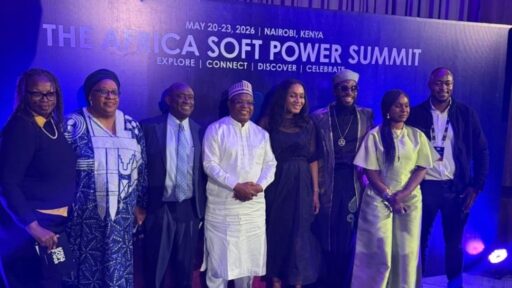
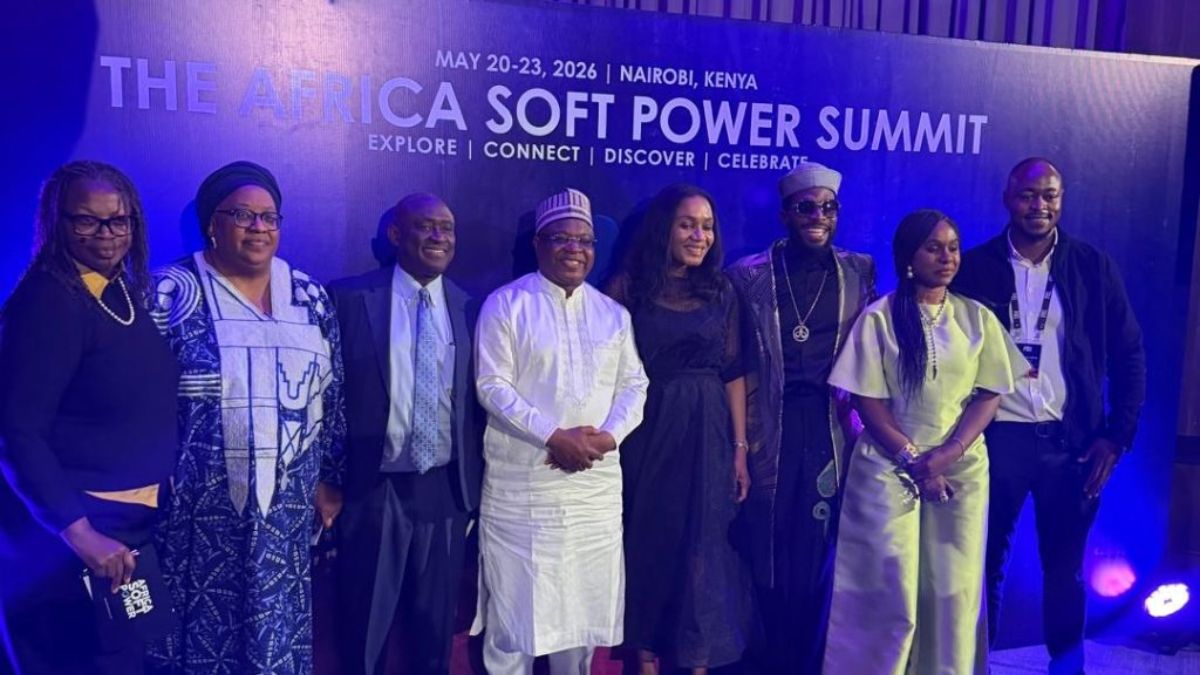
At the 2026 Africa Soft Power Summit in Nairobi, the Chairman of the Nigerian Exchange Group, Umaru Kwairanga, made a strong case for Africa’s creative economy to be recognized not merely as culture, but as a viable investment class capable of generating long-term economic value.
His comments reflect a broader shift currently happening across the continent, where music, film, technology, digital media, fashion, and creator-led businesses are gradually being discussed within the same room as finance, capital markets, and investment strategy.
Speaking during the summit, Kwairanga argued that Africa’s rising global cultural visibility must now translate into ownership, monetization, and scalable economic structures.
“Today we are asking what it takes to move Africa’s creative, technological and cultural influence from visibility to ownership, from global attention to durable economic value,” he said.
African music, film, fashion, and digital culture have experienced enormous international growth over the last decade. Afrobeats now dominates global streaming conversations. Nollywood continues expanding internationally. African creators are building global audiences from local markets.
But despite the visibility, many creators and creative businesses still struggle with access to funding, scalable business infrastructure, intellectual property monetization, distribution systems, and long-term investment support.
Kwairanga’s argument is that financial institutions and capital market operators must begin treating these industries as investable sectors rather than informal cultural spaces.
Why finance is paying closer attention to creativity
One of the most important points raised during the summit was the role financial systems can play in helping Africa’s creative industries scale sustainably. According to Kwairanga, the core responsibility of capital markets is identifying viable opportunities early and creating structures that allow those opportunities to attract funding and generate economic returns.
“That question matters to capital markets because a basic function of capital markets is to match investors who have funds to invest with viable investment opportunities,” he explained.
In practical terms, this means the future of Africa’s creative economy may depend not only on talent, but on infrastructure.
As the industry matures, creators genuinely need better financing models, stronger legal structures, IP-backed investment systems, creator-focused funding, scalable digital platforms, and long-term institutional support.
This is particularly relevant as Africa’s economy becomes more driven by digital enterprise, innovation, intellectual property, and online audiences.
The rise of creativity as economic infrastructure
Across the continent, creativity is gradually moving beyond entertainment into economic strategy.
Today, sectors such as music, film, fashion, gaming, digital media, creator businesses, influencer marketing, and technology-driven storytelling are contributing to cultural influence, employment, exports, tourism, youth entrepreneurship, and international perception.
That evolution is changing how policymakers, investors, and institutions think about the sector. Kwairanga noted that exchanges and financial institutions must evolve alongside the economies they serve.
“As Africa’s economies become increasingly driven by innovation, digital enterprise, intellectual property, and creative talent,” he said, “our role is not only to provide platforms for capital formation, but to help build the ecosystem that allows these sectors to scale sustainably.“
That statement signals an important shift in mindset: creativity is being discussed as infrastructure for future economic growth.
Why this matters for Africa’s next generation of creators
Now: what could this mean for young African creatives? Historically, many creators across Africa built careers without structured institutional support. Most operated independently, often without access to capital, business education, distribution systems, or legal protection.
But if financial institutions begin taking the creative economy seriously, it could reshape opportunities across the sector.
That could eventually lead to more creator-focused investment vehicles, better startup funding for creative businesses, IP-backed financing, creator incubators and accelerators, increased venture capital interest, better monetization structures, and sustainable creative entrepreneurships.
Moreover, in a continent with one of the youngest populations globally, that shift could have significant economic implications.
The bigger conversation around Africa’s future economy
Kwairanga also highlighted the importance of aligning creativity, technology, finance, policy, and human capital together rather than treating them as separate industries. According to him, Africa’s future growth story will depend on how effectively those sectors collaborate.
He called for deeper discussions around AI and data ownership, diaspora capital, creator economics, investment infrastructure, and innovation ecosystems. Those conversations are becoming urgent as the global digital economy evolves rapidly.
For Africa, the opportunity may no longer simply be about exporting culture to the world. The bigger challenge now is building systems that allow African creators, entrepreneurs, and businesses to retain ownership, scale sustainably, and generate lasting economic value from that influence.