Why Today’s Creatives are Thinking like Founders from Day One
Afrobeats star, Tiwa Savage, has highlighted a major shift in how the new generation of creatives approaches growth, business, and audience-building.
Speaking during a recent interview withRolling Stone Africa, the singer reflected on her conversation with rising creative Mavo, noting that younger creatives today are far more proactive and independent-minded than previous generations.
According to her, many emerging artists are no longer waiting for labels, gatekeepers, or traditional systems to define their careers. Instead, they are actively building their own communities, brands, and business ecosystems from the ground up.
“The New Generation is Not Waiting”
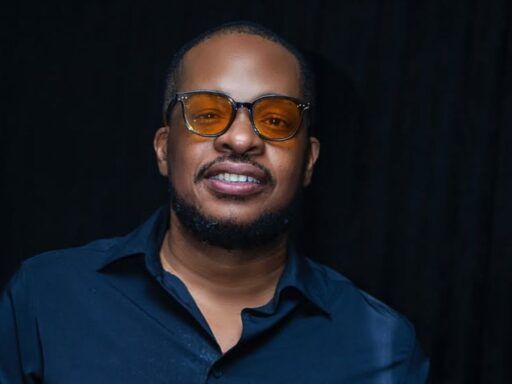
During the interview, Tiwa Savage explained how surprised she was by Mavo’s level of business awareness despite being relatively new to the industry.
She described how the young music star already had merchandise concepts, brand expansion ideas, direct audience engagement strategies, and plans for a café connected to his brand identity.
Reflecting on the interaction, she noted that it took her years within the industry to begin thinking beyond music alone.
“The new generation, they’re not waiting,” she said.
That statement captures a growing reality within today’s creative economy: younger creatives are proactively approaching their work with an entrepreneurial mindset from the very beginning.
The Artist-to-Ecosystem-Builder Pipeline
What stands out in Tiwa Savage’s observation shows a shift in how creatives now think about ownership and structure.
Rather than relying solely on record labels, media exposure or traditional gatekeepers, many young creatives are now building direct-to-consumer (DTC) brands, independent communities, merchandise lines, and audience-owned ecosystems.
This reflects a broader transition from simply “being an artist” to becoming a multi-dimensional creative entrepreneur.
For many young creatives, the goal is no longer just visibility. It is sustainability.
Why Direct Audience Access Matters
One of the key differences highlighted by Tiwa Savage was the relationship today’s creatives have with their audiences.
According to her, older generations often communicated with fans indirectly through organized fan groups or intermediaries.
Today, social platforms have changed that dynamic entirely.
Emerging creatives now communicate directly with audiences and are able to study fan behavior in real time. Also, they now build niche communities online and shape content around audience identity and engagement.
This direct connection allows creatives to build loyalty earlier and monetize attention more intentionally.
Across music, fashion, content creation, and digital media, a growing number of creatives are adopting what can best be described as a creator-business mindset.
They are launching products early, diversifying income streams, building personal brands alongside creative output, and treating community as an asset.
This proactive approach is gradually becoming a survival strategy within the modern creative economy.
Instead of waiting for validation, many are building systems around themselves from day one.
Tiwa Savage’s comments also reveal how dramatically the creative landscape has evolved.
Previous generations often depended heavily on institutional backing, physical distribution systems, and radio and television gatekeeping.
Today’s creatives operate in a more decentralized environment where access to audiences is more immediate.
However, that accessibility also comes with pressure.
Creatives are now expected to think beyond talent alone and understand branding, audience building, monetization, and business sustainability
In many ways, creatives today are being forced to learn how to grow a creative business much earlier in their careers than before.
What This Means for Nigeria’s Creative Economy
The shift Tiwa Savage describes points to a larger evolution within Nigeria’s creative ecosystem.
The modern creative is more and more independent, digitally native, community-driven, and business-aware.
This changes how talent develops, how audiences engage, and how opportunities are created.
It also signals a future where creatives may rely less on traditional structures and more on their ability to build ecosystems around their work.
The Bigger Picture
Tiwa Savage’s reflection signals a changing creative culture: a culture where creatives are no longer waiting to be discovered before they begin building.
They are creating audiences before mainstream visibility, businesses before industry validation, and systems before institutional support
And as the digital economy continues to evolve at a fast pace, that level of proactivity may become one of the defining characteristics of the next generation of African creatives.