What Blessing Onwukwe’s ‘Monica 2’ Pay Says About Nollywood’s Digital Growth
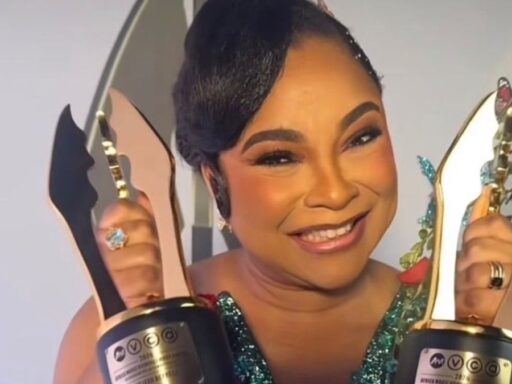
Nollywood actress, Blessing Onwukwe, has revealed that she earned over ₦1 million for her role in the second instalment of the viral movieMonica, a development that highlights the growing commercial power of Nigeria’s digital film ecosystem.
Speaking during an interview with Yanga FM, the actress, popularly known for playing the controversial “Mama Monica” character, explained that the film’s massive success was reflected in her compensation.
“Monica’s payment passed one million,” she said. “It passed one million for Monica II. I don’t want to call any other amount, but it’s more than one million.”
While the figure itself has attracted attention online, the bigger story may be what it reveals about how Nollywood’s digital distribution era is beginning to reshape earnings, visibility, and opportunities for actors.
When Viral Success Starts Translating into Revenue
The success of Monica reflects a larger trend within Nigeria’s film industry: digital platforms are actively turning attention into measurable commercial value.
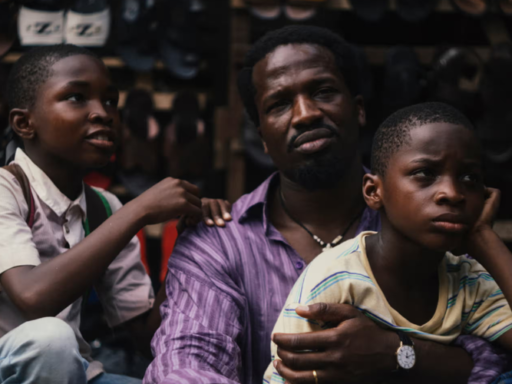
The movie, which stars Uche Montana, has become one of Nollywood’s most talked-about releases of 2026, generating millions of views on YouTube and sparking widespread social media conversations.
As audience consumption shifts further toward streaming and digital-first distribution, films that gain viral traction are beginning to create stronger monetization opportunities for actors, producers, editors, digital distributors, marketers, and content platforms.
Many creatives find this shift from traditional visibility to platform-driven income potential a major growth signal.
Nollywood’s Digital Distribution Era is Changing the Economics
For years, many Nollywood actors worked within an industry where financial transparency and scalable compensation structures were often inconsistent.
But the rise of YouTube distribution, streaming platforms, creator-led marketing, audience analytics, and digital monetization systems is gradually changing how value is created and measured.
A viral film today can generate a whole lot: think advertising revenue, licensing opportunities, platform growth, sponsorship conversations, and increased negotiating power for talents.
This means actors attached to successful productions may benefit more financially from projects that achieve strong digital traction.
The Business Behind the Performance
Beyond the payment conversation, Blessing Onwukwe also spoke about the preparation process behind her “Mama Monica” role.
According to her, she mentally built a background story for the character before filming began.
“I started thinking about how I was going to bring the character to life. I had to create a background story for her,” she explained.
That level of intentional preparation reflects another important reality within today’s creative economy: performance is no longer viewed solely as talent; it is progressively tied to professional value.
As competition grows within Nollywood and the broader creator economy, creatives who bring depth, preparation, and strong audience impact are becoming more commercially valuable.
Why Audience Connection Matters More Than Ever
Part of what made Monica resonate online was its emotional relatability. The film’s themes around family pressure, motherhood, emotional manipulation, and firstborn daughter struggles sparked strong reactions from viewers across social platforms.
This ability to generate conversation is now one of the biggest drivers of digital success.
In the present entertainment scene, audience engagement often determines reach, visibility, monetization potential, and long-term cultural impact. To creatives, this means storytelling that connects emotionally can translate into both visibility and revenue.
Nollywood’s New Generation is Thinking Beyond Exposure
The conversation around Blessing Onwukwe’s earnings also reflects a broader evolution within Nigeria’s creative industry.
More creatives are beginning to negotiate value differently, understand audience economics, think beyond exposure alone, and approach creative work as a business asset.
This shift mirrors wider changes happening across the creator economy, where artists, actors, and digital creators are increasingly learning how to turn their creativity into income through audience-driven ecosystems.
It also reinforces why many creatives are now focused not just on visibility, but on building sustainable careers with long-term earning potential.
What This Means for Nigeria’s Creative Economy
Nollywood’s digital growth is becoming increasingly significant within Nigeria’s broader creative economy.
As online distribution expands, the industry is gradually creating new income pathways, as well as wider global reach, stronger monetization opportunities, and more scalable production systems.
This is particularly important for emerging actors and filmmakers looking to grow a creative business around storytelling, production, and digital distribution.
It also signals a larger transformation: Nigeria’s entertainment industry is becoming more data-driven, platform-driven, and commercially measurable than ever before.
The Real Story Here: A Changing Creative Economy
Blessing Onwukwe’s revelation is beyond one payment figure; it reflects a changing industry where digital traction influences financial value, audience engagement shapes opportunity, and viral storytelling increasingly carries economic weight.
As Nollywood continues to adapt within the digital economy, creators who understand both storytelling and audience ecosystems may become some of the industry’s strongest long-term players.