Shola Bamidele: How Strong Creative Institutions Can Transform Africa’s Creative Economy
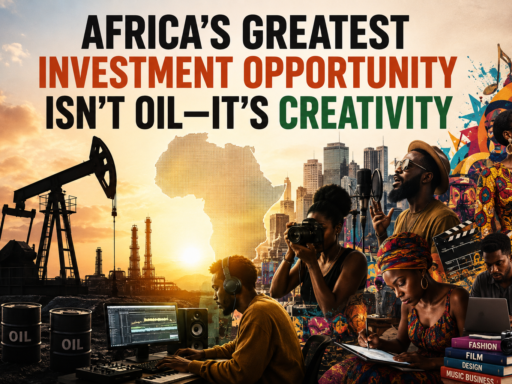
Africa Doesn’t Need More Creative Talent. It Needs Better Creative Infrastructure
The Biggest Problem Facing African Creatives Isn’t Talent. Pretty sure it’s not the first time you’re hearing this. However, we’ll give more context for clarity.
For years, Africa’s creative success has been measured by headlines. Afrobeats topping global charts, Nollywood reaching international audiences, African fashion appearing on major runways and Creators collaborating with global brands.
These milestones deserve celebration but beneath every success story lies another reality that receives far less attention. Thousands of talented creatives are still building careers without reliable infrastructure, access to funding, legal guidance, professional workspaces, or the business support needed to grow sustainable companies.
That’s one of the key messages shared by Shola Bamidele, founder of Loom Rooms, in a recent interview where he argued that Africa’s next chapter shouldn’t be about proving its creativity. Rather, it should be about building creative institutions that help boost Africa’s creative economy. This is an important conversation because talent has never been Africa’s biggest problem.
Talent Has Never Been the Limitation
Nigeria alone has produced globally recognized musicians, filmmakers, designers, photographers, writers, and digital creators. Many of them built successful careers despite unreliable electricity, limited funding, poor intellectual property protection, and a lack of structured industry support.
While this is remarkable, it also raises an important question:
How much further could African creatives go if they didn’t have to spend so much energy overcoming avoidable challenges?
When success depends primarily on resilience instead of systems, too many talented people are left behind. A thriving creative economy shouldn’t rely on extraordinary determination alone. It should create an environment where talent has the opportunity to flourish.
Creativity Needs More Than Applause
Many people think supporting the creative industry simply means celebrating successful artists. Indeed recognition matters but recognition alone doesn’t build industries. Every successful creative economy depends on an ecosystem working behind the scenes. That includes affordable creative spaces, access to financing, strong copyright protection, entertainment lawyers, publishing companies, animation studios and game development hubs. Also, mentorship, professional networks and reliable data. These aren’t luxuries. They’re the infrastructure that transforms creativity into sustainable businesses.
We Need More Creative Businesses
One of the most powerful ideas from Bamidele’s interview is that Africa shouldn’t focus solely on producing more artists. It should focus on producing more creative businesses. That’s an important distinction.
Artists create cultural value while businesses create economic value that lasts. Behind every successful musician are managers, marketers, lawyers, distributors, producers, accountants, designers, and technology platforms.
Behind every successful film are production companies, investors, editors, sound engineers, costume designers, and distribution networks. The strongest creative economies don’t just produce stars, they produce companies that continue creating opportunities for others.
If you’re just starting your creative journey, this conversation should encourage you to think beyond your craft. Whether you’re a designer, photographer, filmmaker, writer, animator, or content creator, your goal shouldn’t simply be to become recognized. It should be to build something sustainable.
You need to learn how contracts work, understand intellectual property, develop basic financial management skills and build relationships within your industry. Treat your creativity like a business from the very beginning.
Talent may open the first door but business knowledge helps you keep it open.
Communities Create Careers
Another idea worth highlighting is the importance of creative communities. Very few successful careers are built entirely alone. People grow faster when they have access to mentors, collaborators, shared workspaces, and supportive professional networks.
Creative hubs like Loom Rooms are designed to provide those opportunities by bringing people together, encouraging collaboration, and helping emerging creatives access resources they might not find on their own.
Sometimes, the opportunity that changes your career isn’t another online course. It’s the conversation you have with another creative.
Wrapping Up
Africa has already proven that it can produce world-class creative talent. The next challenge is proving that it can build world-class creative institutions because sustainable industries aren’t built on individual success stories alone. They’re built on systems that help thousands of talented people succeed, not just the few who manage to overcome every obstacle.
For African creatives, that means thinking beyond the next project or the next client. It means building careers, businesses, and communities that can create opportunities for others long after today’s headlines have faded.
At GetCreativeMoney, we believe Africa’s creative future won’t be defined only by the artists who reach global stages. It will also be shaped by the businesses, institutions, and ecosystems that make those journeys possible.