
Why Africa’s Creative Economy Is Becoming a Tech Industry
For years, Africa’s creative economy was largely associated with music, film, fashion, art and entertainment but today, that definition is becoming outdated.
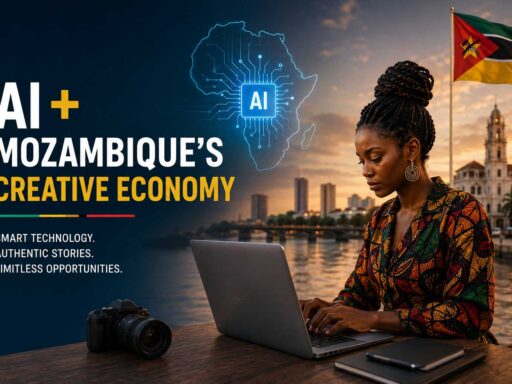
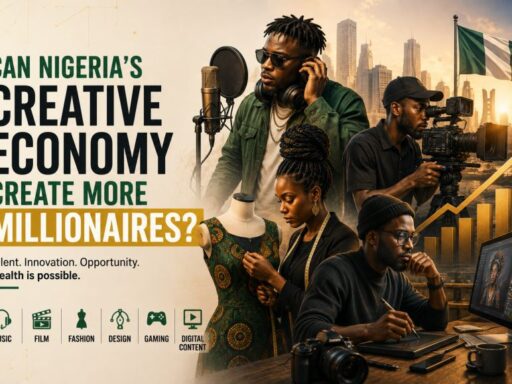
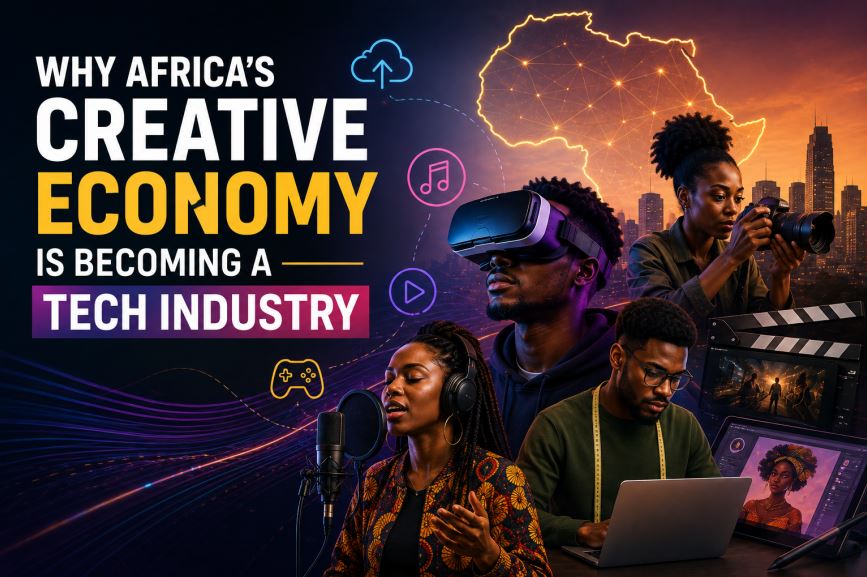
Across the continent, creativity and technology are becoming increasingly connected. Musicians are building businesses around streaming platforms. Filmmakers are distributing content digitally. Designers are selling products to global customers through online platforms. Game developers are creating African stories for international audiences, while content creators are turning social media followings into businesses.
Just to state clearly, the creative economy in Africa isn’t disappearing into technology. Instead, It is becoming a technology-powered industry and that shift could have major implications for African creatives.
Creativity Was Always the Product, Technology Is Changing How It Gets Sold.
Consider how a musician reaches an audience today. A few decades ago, an artist depended heavily on record labels, radio stations, television and physical distribution to get his/her music out there.
Today, a musician can record a song in a home studio, distribute it digitally, promote it on social media and reach listeners in countries they may never have visited. The technology didn’t create the music.
It created a new distribution system for the creativity.
The same thing is happening across other creative industries. A graphic designer can work with a client thousands of kilometres away, a Nigerian filmmaker can release content to a global audience through streaming platforms and an illustrator can sell digital artwork internationally.
In the same vein, a game developer can create a mobile game and distribute it across multiple markets without opening a physical store and a creator can build an audience on YouTube, TikTok or Instagram and turn that audience into advertising revenue, sponsorships, subscriptions or product sales.
Technology is increasingly removing the geographical barriers that once limited African creative businesses.
The Rise of the Creator as a Digital Business
One of the biggest changes is the emergence of the creator-entrepreneur. Being a creative today can mean much more than producing content. A creator might simultaneously be:
- A content producer
- A marketer
- A community manager
- A brand
- A digital product seller
- An educator
- A media company
- An entrepreneur
Someone with a smartphone, internet connection and a valuable skill can potentially build an audience and sell to people across the world. This is particularly important in Africa, where traditional employment opportunities don’t always grow fast enough to absorb the continent’s young population. Technology gives creatives another route.
Instead of waiting for a company to create a job, a creative can potentially build a business around their own skills, audience and intellectual property.
AI Is Accelerating the Change
Artificial intelligence is pushing this transformation even further. Tools for writing, image generation, video editing, music production, voice generation, research and design are becoming increasingly accessible.
For an African creative operating with limited resources, that can be significant. A solo creator can now perform tasks that previously required several people or expensive equipment. Also, a small production team can use AI-assisted tools to brainstorm concepts, edit content, generate rough visual ideas, transcribe interviews and streamline repetitive tasks but there is an important distinction.
AI doesn’t eliminate the need for creativity.
It increases the leverage available to creative people who know how to use it. The creative who understands storytelling, branding, audience psychology and business and then uses technology to execute faster, can potentially compete with much larger teams.
Platforms Are Becoming the New Gatekeepers
Technology is also changing who controls access to audiences. Streaming platforms, social networks, creator platforms, digital marketplaces and online communities have created new routes between creators and consumers. That has created opportunities, but it has also created new challenges.
Creators now have to understand algorithms, analytics, platform policies, digital marketing, audience retention and monetization. In other words, creative talent increasingly needs business and technology literacy.
Being good at making something is no longer always enough. You also need to understand how people discover it, how they consume it and how you can build a sustainable business around it.
Gaming Shows Where This Could Go
Gaming is one of the clearest examples of the intersection between creativity and technology. A game requires programmers, but it also requires writers, illustrators, animators, musicians, voice actors, designers, marketers and storytellers.
Africa’s growing gaming industry therefore represents more than a technology opportunity. It is a creative opportunity. Nigerian artists could create characters, writers could develop storylines, musicians could produce soundtracks, designers could create interfaces, filmmakers and animators could contribute visual storytelling.
The technology provides the infrastructure and Creative people provide the experiences.
The Business Opportunity Is Bigger Than Creating Content
Perhaps the most important shift for African creatives is understanding that technology doesn’t just provide tools for creating. It creates new business models:
- A photographer can sell presets.
- A designer can sell templates.
- A writer can publish digital products.
- A musician can license music.
- A filmmaker can distribute intellectual property internationally.
- An educator can build an online course.
- A creator can develop a paid community.
- A game developer can sell a digital product globally.
This means the future creative economy may be less about getting paid once for producing something and more about owning intellectual property that can generate revenue repeatedly.
That is a major mindset shift.
Africa Has an Advantage
Africa’s young population gives the continent an enormous potential consumer and creator base but population alone isn’t enough.
The opportunity will depend on whether African countries can provide the infrastructure needed for creatives to participate in the digital economy.
That includes:
- Affordable and reliable internet
- Digital payment infrastructure
- Access to funding
- Intellectual property protection
- Digital skills
- Creative education
- Affordable production technology
- Better access to international markets
Without these foundations, Africa risks producing incredible creative work while capturing only a small portion of the economic value it generates.
What This Means for African Creatives
The message for creatives is simple: Don’t just learn how to create. Learn how technology can help you distribute, market and monetize what you create.
- Photographers shouldn’t only understand photography, they should understand digital marketing, licensing and online sales.
- A musician shouldn’t only understand music, they should understand streaming, publishing, royalties, branding and audience development.
- The filmmakers shouldn’t only understand filmmaking, they should understand distribution, intellectual property and digital platforms.
- And content creators shouldn’t only chase views, they should understand how to turn attention into a sustainable business.
The most valuable creatives of the future may not necessarily be the people who use the most technology. They may be the people who understand how to combine creativity, technology and business.
Wrapping Up
Africa’s creative economy is becoming a technology industry not because creativity is becoming less important, but because technology is making creativity more scalable.
These days, a song can cross borders instantly and a film can reach audiences thousands of kilometres away.
Also, a designer can serve clients globally and a game can turn African stories into interactive experiences. A creator can build a business from a smartphone. The tools are changing, the platforms are changing, the business models are changing and African creatives need to change with them.
The next phase of Africa’s creative economy won’t simply be about who can create the best work. It will be more about who can use technology to take great creative work further.
At GetCreativeMoney, we believe Africa’s creative opportunity lies at the intersection of talent, technology and business. The creatives who learn to operate at that intersection could become some of the continent’s most valuable entrepreneurs.