Can Nigeria’s Creative Economy Create More Millionaires?
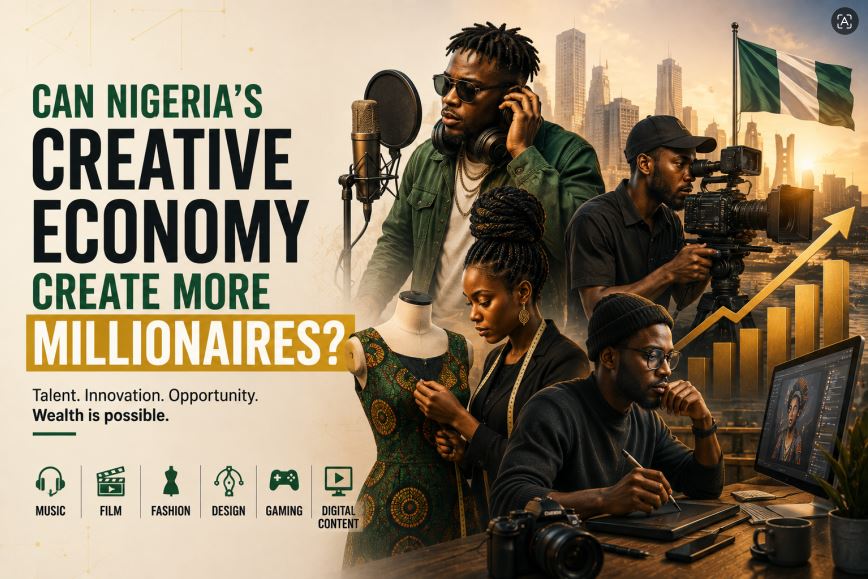
If you actually do think about it, you will see that Nigeria has never had a shortage of creative talent. From Afrobeats and Nollywood to fashion, comedy, photography, design, gaming and digital content, Nigerians have repeatedly demonstrated an ability to turn creativity into something the world wants to consume. However, there is an important question we don’t ask often enough:
Can the creative economy create more Nigerian millionaires?
Our answer is yes but there is a catch.
Talent alone won’t do it.
For the creative economy in Nigeria to produce more millionaires or even millions of financially successful creatives, the country needs to move from celebrating creative talent to building businesses around it.
And that will mean changing how creatives think about their work.
Nigeria Already Has a Valuable Creative Economy
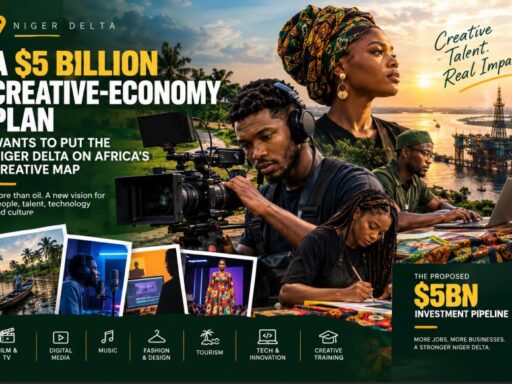
Nigeria’s creative industry is no longer a small side business. The Nigerian Investment Promotion Commission describes the country’s creative economy as a global force, pointing to industries such as Nollywood, Afrobeats and fashion. Its current sector profile puts the creative economy’s value at about $6.4 billion, while highlighting opportunities across film, music, fashion and the creator economy.
The Federal Government also says the creative sector currently contributes roughly 2.3% of Nigeria’s GDP, with an ambition to create two million jobs by 2030. There is clearly money moving through the ecosystem but the bigger question is:
How much of that money actually reaches the people creating the value?
Being Creative Is Not the Same as Being Profitable
This is what many creatives do not understand and also where many of them get stuck. A photographer can have incredible work but struggle to charge properly. Same way musician can have millions of streams but fail to build a valuable catalogue or a designer can have thousands of followers without converting them into customers. Also, a content creator can go viral without having a business behind the attention.
The problem isn’t necessarily the absence of money. It is the absence of systems for capturing value.
A creative who earns ₦500,000 from a project has made money but a creative who turns that same skill into an agency, digital product, licensing business, intellectual-property portfolio or scalable brand is building wealth. That distinction matters.
The Millionaire Opportunity Is in Intellectual Property
One of the biggest opportunities in the creative economy is owning what you create. Think about it this way using music as case study. A song isn’t necessarily valuable only because someone paid an artist to perform or record it. It can generate income through:
Streaming
Publishing
Royalties
Licensing
Synchronisation
Brand partnerships
Performance rights
Catalogue sales
The same principle applies to film, photography, writing, fashion, gaming, animation and other creative fields. The more valuable intellectual property a creative owns, the more opportunities they have to generate revenue from the same work.
This is one reason investment in African creative businesses is becoming increasingly interesting. Brookings, for example, highlighted Universal Music Group’s acquisition of a majority stake in Mavin Global as an example of international investment flowing into Africa’s creative industries.
The lesson isn’t simply that record labels can attract investors. It’s that creative assets can become investable assets when they are properly structured.
But We Need More Creative Businesses, Not Just Creative Stars
Nigeria already has globally recognized stars. What the industry needs now is a much deeper layer of businesses supporting them. That means:
Production companies
Creative agencies
Music publishing businesses
Animation studios
Gaming companies
Fashion brands
Digital media companies
Creator management agencies
IP licensing companies
Creative technology startups
Distribution platforms
This is where the real millionaire opportunity could emerge. Not everyone needs to become Burna Boy, Davido or a Nollywood superstar. The person building the company that manages 100 creators could become wealthy, the person owning the studio where dozens of films are produced could become wealthy. In the same vein, the person building software for African musicians could become wealthy and the person licensing African fashion designs internationally could become wealthy.
The creative economy has an entire value chain and wealth can be created at every level.
Technology Could Make the Opportunity Even Bigger
Technology is reducing some of the barriers that previously prevented creatives from reaching larger markets. A Nigerian designer can now sell to customers abroad and a musician can distribute globally. Nowadays, you see that a YouTuber can build an international audience, a game developer can distribute a product worldwide and an illustrator can work remotely for clients in different countries.
AI is also lowering the cost of certain creative processes, allowing small teams and individuals to perform tasks that once required larger production teams but technology alone won’t create wealth.
The creative still needs to understand marketing, sales, finance, intellectual property and business strategy. That is where the next generation of creative entrepreneurs can separate themselves.
The Biggest Problem May Be How Creatives Think About Money
For years, creative careers have often been presented as passion projects.
“Follow your passion.”
“Do what you love.”
“Create because you enjoy it.”
Those things aren’t necessarily wrong but a creative career can also be a business. You need pricing, contracts, financial records, customer acquisition, intellectual-property protection, a strategy for reinvesting your earnings. Also, you need to understand where your money comes from and where it goes. Nigeria’s creative-sector experts have repeatedly pointed to financing, data, business structures and stronger legal frameworks as important pieces of the sector’s growth puzzle.
Without those structures, creatives may generate significant economic value without accumulating significant personal wealth.
So, Can the Creative Economy Create More Nigerian Millionaires?
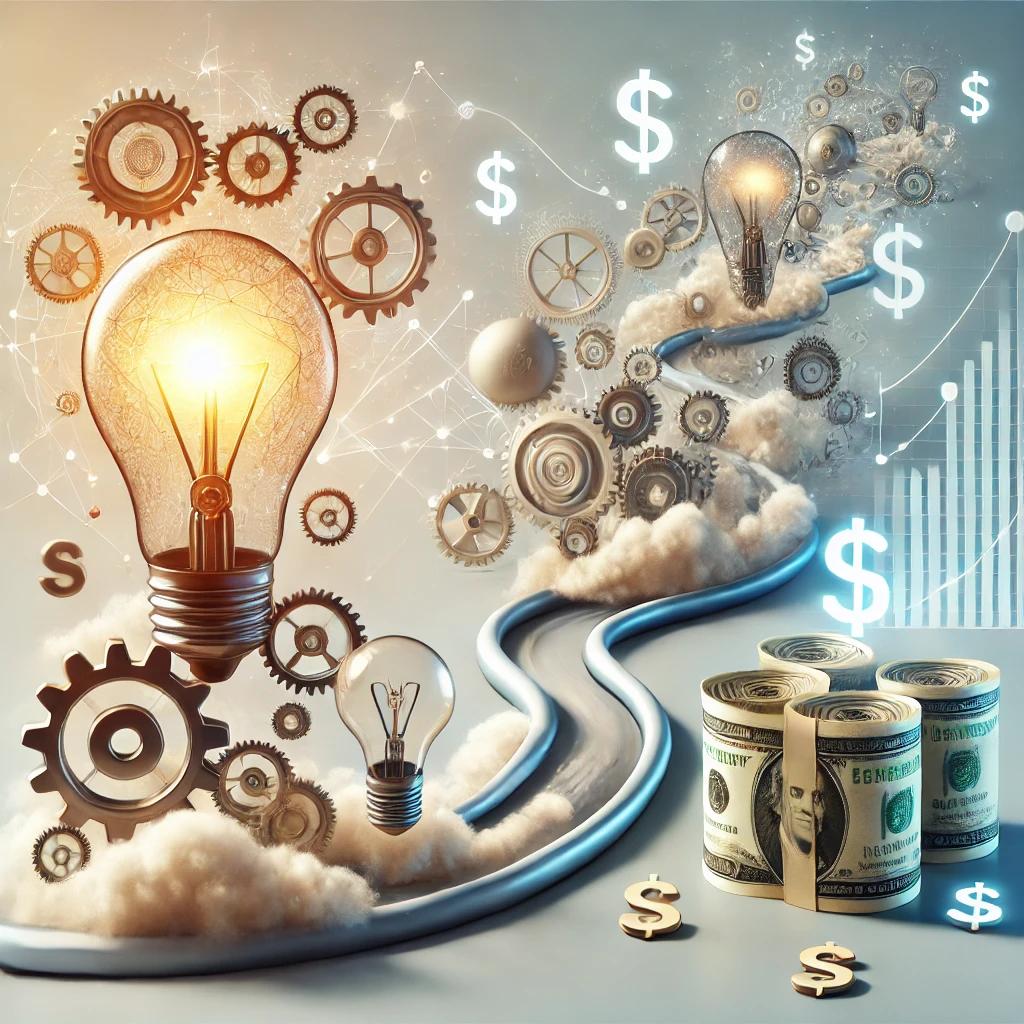
Absolutely, but the path isn’t simply: Talent → Fame → Money.
The goal shouldn’t be to make every Nigerian creative famous. Rather, it should be to make it possible for more creatives to build profitable, sustainable businesses from what they create.
Wrapping Up
Nigeria already has the raw ingredients; talent, a huge domestic market, global cultural influence, young population, increasingly accessible digital platforms and it has investors and institutions beginning to recognize the economic value of creative industries. However, the missing ingredient is scale.
If more Nigerian creatives learn to treat their creativity as an asset, build businesses around their skills, protect their intellectual property and create multiple ways to earn from their work, the creative economy could produce far more than entertainers.
It could produce a new generation of Nigerian entrepreneurs and millionaires.
And just maybe, that’s the bigger opportunity Nigeria’s creative economy has been hiding in plain sight.