
How AI Could Transform Mozambique’s Creative Economy
Artificial intelligence is quickly becoming one of the biggest forces reshaping the global creative industry. From generating images and assisting with video production to translating content and helping creators work more efficiently, AI is changing how creative work is produced and distributed.
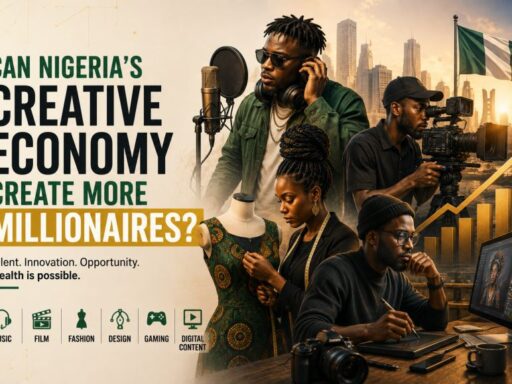
In one of our recent posts, we highlighted the transformation AI is bringing to the Nigerian creative economy as well as free AI tools that can help Nigerian creatives stay profitable. You can check it out here
Now, Mozambique is exploring what that transformation AI is bringing could mean for its own cultural and creative economy. During a national dialogue on “Culture: Identity, Rights and Economy” held in Maputo on August 14, officials discussed the opportunities and challenges artificial intelligence presents for Mozambique’s creative ecosystem.
The conversation is particularly significant because Mozambique isn’t simply asking how to use AI. It is also asking a more important question:
How can the country use AI without losing control of its culture, identity and creative assets?
AI Could Give Mozambican Creatives New Tools
One of the most obvious opportunities is productivity. AI tools can assist creators with tasks such as:
- Writing and editing
- Translation
- Image creation
- Video production
- Audio production
- Research
- Content distribution
- Marketing
- Audience analysis
For a creator working alone or with a small team, these tools could reduce the cost and time required to produce content. That could be particularly valuable in emerging creative markets where access to professional equipment, production companies and specialized talent may be limited. But the opportunity extends beyond simply helping someone make content faster.
AI Could Help Mozambique Take Its Culture Further
Mozambique has a rich cultural heritage expressed through music, literature, visual arts, film, dance, fashion and traditional knowledge.
One of the opportunities officials identified is using AI to expand access to cultural content, support translation and recommendations, and help preserve cultural heritage.
Consider language, piece of Mozambican literature or cultural content created in one language may struggle to reach audiences elsewhere. AI-assisted translation could potentially make that content accessible to much larger audiences.
Similarly, digital tools could help document cultural materials and make them easier to discover. That creates an opportunity for local stories to travel further.
But There Is a Big Warning
The AI opportunity comes with serious questions:
- Who owns an AI-generated work?
- What happens when AI models are trained using copyrighted creative material?
- Who gives permission for cultural materials to be used?
- How should creators be compensated?
- What happens when algorithms reproduce stereotypes or distort cultural identity?
These questions are particularly important for countries trying to ensure that technology supports and not exploits their creative industries.
Mozambique’s National Institute of Information and Communication Technologies (INTIC) has specifically highlighted concerns around intellectual property, cultural identity, algorithmic transparency and ethical governance.
That is why the conversation around AI in Mozambique is bigger than technology. It is also about ownership.
Mozambique Is Building the Policy Framework
The timing is important. Mozambique has been developing a National Artificial Intelligence Strategy, with the first draft released for public consultation in May 2026. The proposed strategy identifies AI as a potential driver of innovation, productivity and economic development.
The country is also developing a broader National Digital Transformation Strategy with support from the International Telecommunication Union. That strategy is intended to address areas including digital skills, connectivity, innovation, entrepreneurship and competitiveness.
This means the conversation around AI and creativity isn’t happening in isolation. It is becoming part of Mozambique’s wider digital transformation agenda.
The Creative Economy Could Become an AI Testing Ground
One interesting possibility is that creative industries could become one of the easiest places for Mozambique to experiment with AI and that’s because creative work is naturally digital.
A musician can experiment with AI-assisted production, filmmakers can explore AI-assisted editing, a designer can use generative tools for concept development, a writer can use AI for research and translation, cultural institutions can experiment with digital archives and even a tourism business can use AI to create personalized cultural experiences. The possibilities are wide and endless.
But Mozambique will need to ensure that technology augments local creativity instead of replacing or extracting value from it.
African Creatives Should Pay Attention
This story isn’t only relevant to Mozambique. It is a preview of a conversation that other African creative economies will increasingly have to confront.
Nigeria, Kenya, South Africa, Ghana, Rwanda and other countries are already seeing AI influence creative work. The questions will increasingly become:
- How do we use AI?
- Who owns the resulting work?
- How do creators get paid?
- How do we protect African cultural identity?
- How can African countries build AI systems that understand local languages and cultures?
These questions could determine whether AI becomes a tool for African creative growth or another technology where much of the value is captured elsewhere.
The Opportunity for Mozambican Creatives
For creators, the message isn’t to ignore AI. Rather, it is to learn how to use it strategically.
Filmmakers who understands AI-assisted production may be able to work faster, designers who understands generative tools can explore more concepts, writers can use AI to reach audiences across languages and a musician can experiment with new production workflows.
But the underlying creative identity should remain human.
AI can provide the tools. The creator provides the cultural context.
That distinction could become one of Mozambique’s biggest competitive advantages.
Final Thoughts
Mozambique’s conversation about AI and the creative economy comes at an important moment. The country is simultaneously developing its AI policy, expanding its digital transformation agenda and looking for ways to strengthen its creative and cultural industries.
That creates an opportunity to build something different.
Instead of simply importing AI technology and asking creatives to adapt to it, Mozambique could build policies and platforms that put Mozambican culture, creators and intellectual property at the centre of AI adoption.
If that happens, AI could do more than make creative work faster. It could help Mozambican stories travel further, help creators reach new markets, help preserve cultural heritage and it could create entirely new creative businesses.
The future of Mozambique’s creative economy may not be about choosing between creativity and technology.
It may actually be about learning how to make both work together and for the rest of Africa, that’s a conversation worth watching.