Copyright Claim, DMCA Notice – What Creatives Need to Know
What Is a Copyright Claim and a DMCA Notice And Why Creatives Need to Know and Understand Them?
In today’s digital world, creating and sharing content has never been easier. Whether you’re a filmmaker, musician, photographer, graphic designer, writer, podcaster, or YouTuber, your work can reach audiences around the globe in seconds. But with that opportunity comes an important responsibility: understanding copyright.
Two terms that frequently come up in the creative industry are copyright claims and DMCA notices. While they may sound technical or intimidating, knowing what they mean can help protect your work, your reputation, and even your income.
What Is a Copyright Claim?
A copyright claim occurs when someone asserts that content you’ve published uses material they own or control without the necessary permission or legal basis. This can involve music, videos, images, written works, artwork, or other protected creative content.
For example, if a YouTuber includes a copyrighted song in a video without authorization, the rights holder may file a copyright claim. Depending on the platform and the circumstances, the content could remain online with restrictions, have advertising revenue redirected, or be subject to other actions.
It’s important to understand that not every copyright claim means someone acted maliciously. Sometimes creators unknowingly use protected material, assuming it’s free or available for public use when it isn’t.
What Is a DMCA Notice?
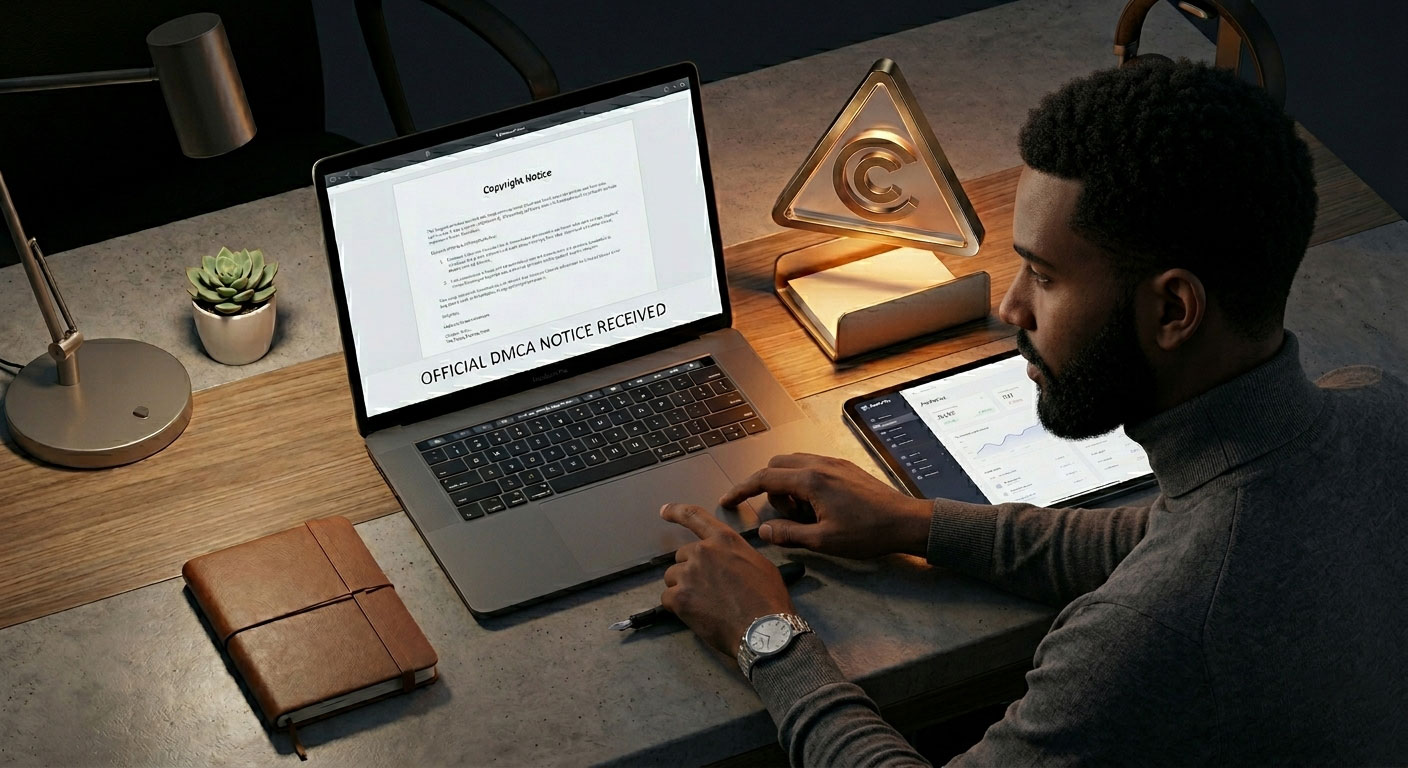
The Digital Millennium Copyright Act (DMCA) is a United States law that provides a framework for addressing copyright infringement online. One of its best-known features is the DMCA takedown notice, which allows copyright owners to request the removal of content they believe infringes their rights from websites and online platforms.
Although the law originated in the U.S., many global platforms; including YouTube and social media services, have procedures influenced by or built around DMCA principles. If a platform receives a valid takedown request, it may remove or disable access to the content while the matter is reviewed.
For creators, a DMCA notice can be both a defensive tool to protect original work and a legal process they may encounter if accused of infringement.
Why These Concepts Matter to Creatives
Every original photo, song, script, illustration, video, or article represents time, effort, and talent. Copyright laws exist to help creators maintain control over how their work is used and to encourage innovation by recognizing ownership.
Why creatives need to know and understand copyright claim and DMCA notice is that, it can help creatives:
Protect original work from unauthorized use.
Avoid unintentionally infringing on someone else’s intellectual property.
Safeguard monetization opportunities on digital platforms.
Build professional credibility with clients, collaborators, and audiences.
Respond appropriately if their content is challenged or copied.
Whether you’re producing content for fun or running a creative business, copyright awareness is an essential part of working responsibly in the digital age.
The Risks of Not Understanding Copyright
Failing to learn the basics of copyright can have serious consequences.
1. Loss of Revenue
If you use copyrighted material without permission, advertising income or licensing revenue associated with your content may be redirected or lost altogether.
2. Content Removal
Platforms may remove videos, music, artwork, or articles that violate copyright policies, disrupting your publishing schedule and reducing your visibility.
3. Damage to Your Reputation
Repeated infringement issues can make potential partners, clients, or sponsors hesitant to work with you. A reputation for respecting intellectual property is valuable in professional creative circles.
4. Platform Restrictions
Persistent copyright violations may lead to penalties such as limited features, reduced distribution, or account suspensions, depending on the platform’s policies.
5. Legal Consequences
In some situations, copyright disputes can escalate beyond platform enforcement into legal proceedings. Understanding the rules beforehand is often far less costly than resolving disputes later.
6. Missing Opportunities to Protect Your Own Work
Creators who don’t understand copyright may overlook situations where their own content is being copied or redistributed without permission, allowing others to benefit unfairly from their efforts.
Best Practices for Creators
To reduce risk and protect your creative career:
Use original material whenever possible.
Obtain permission or licenses before using someone else’s work.
Keep records of licenses, contracts, and permissions.
Credit others when required by the applicable license or agreement.
Learn the copyright policies of the platforms where you publish.
Seek legal guidance when handling significant commercial projects or complex disputes.
Final Thoughts
Creativity thrives when ideas are respected and original work is valued. Understanding copyright claims and DMCA notices isn’t just about avoiding problems. It’s about protecting your own creations while respecting the rights of fellow artists.
For modern creatives, knowledge of intellectual property is as important as mastering a camera, writing compelling scripts, or producing great music. By taking copyright seriously, you position yourself for sustainable growth, stronger collaborations, and greater confidence as you build your career.