5 African Creatives Who Started Winning Major Recognition in Their Teens
Africa’s creative economy is fast becoming shaped by young talents who are building influence, businesses, and global visibility far earlier than previous generations.
Across music, comedy, content creation, fashion, and digital entertainment, a growing number of African creatives are proving that age is becoming less important than visibility, internet leverage, audience connection, and cultural relevance.
What makes this shift particularly significant is how digital platforms have changed the timeline of success. Teenagers who once needed traditional gatekeepers now have direct access to audiences, global distribution, and brand opportunities from their phones.
From Afrobeats stars to internet personalities and Amapiano hitmakers, these creatives started attracting major attention while still in their teens. And many have gone on to become some of the most commercially visible young talents on the continent.
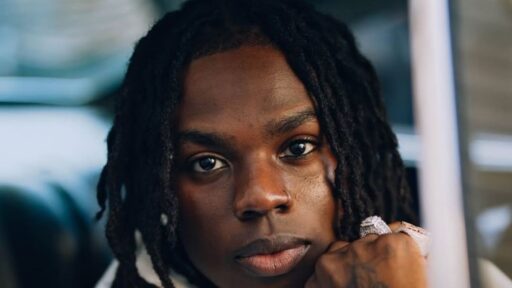
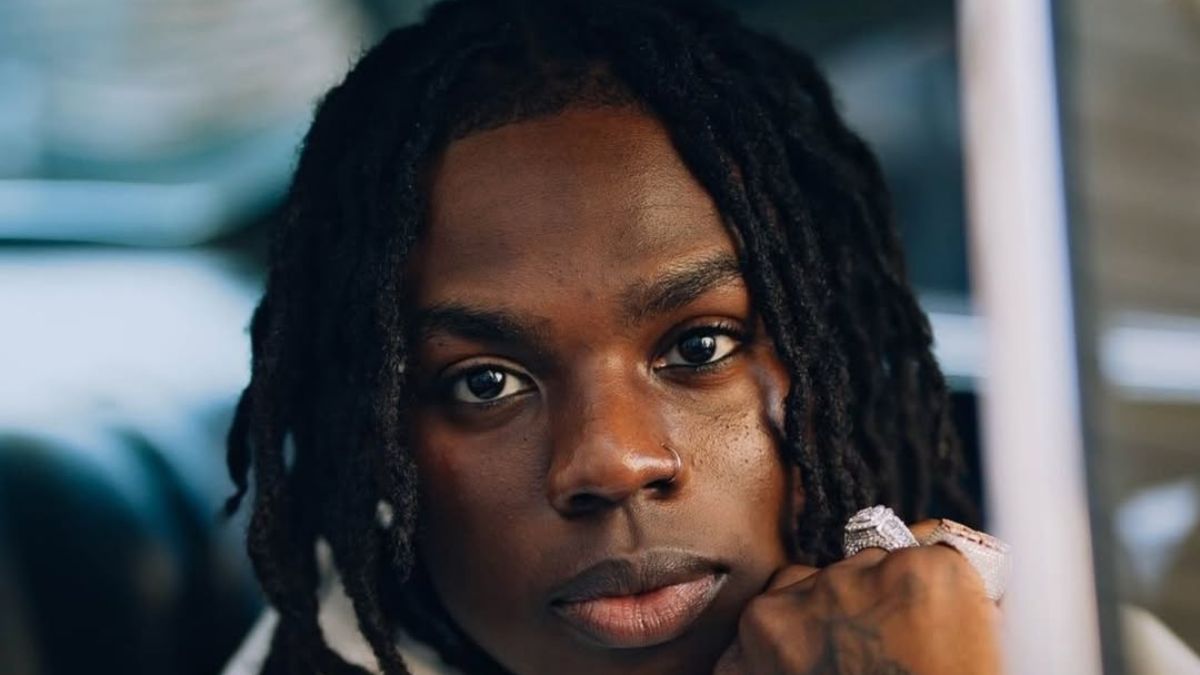
1. Rema
Before he became one of Afrobeats’ biggest global exports, Rema was already gaining industry attention as a teenager through freestyle videos shared online.
The Nigerian star broke into mainstream consciousness in 2019 after signing to Jonzing World, a subsidiary of Mavin Records, while still in his teens.
His breakout track Dumebi was released while he was 18 and it quickly became one of the defining Afrobeats songs of that year, helping position him as part of a new generation of globally conscious African pop stars.
What followed was an unusually fast rise. By his early twenties, Rema had already performed on international stages, secured global collaborations, earned major award nominations, and achieved one of Afrobeats’ biggest crossover successes with Calm Down, especially after the remix featuring Selena Gomez.
His career reflects how young African artists are progressively entering the global music market much earlier than previous generations.
2. Elsa Majimbo
During the COVID-19 lockdown era, Elsa Majimbo became one of Africa’s biggest internet breakout stars almost overnight.
The Kenyan comedian and content creator gained global visibility as a teenager through short comedic videos filmed casually with sunglasses, potato chips, and sharp observational humor.
Her rise was remarkable because of how quickly her content crossed African internet spaces into mainstream international culture.
Within a short period, she was being acknowledged by global celebrities, fashion brands, media companies, and luxury labels.
She later collaborated with major international brands and appeared in campaigns connected to companies like Fenty Beauty and Valentino.
Majimbo’s rise demonstrated how African internet personalities could build global cultural influence directly from social media without first passing through traditional entertainment systems.
3. Tyler ICU
South African producer and DJ, Tyler ICU, became one of the notable young names associated with the global expansion of Amapiano.
While still very young, he began building momentum within South Africa’s music scene through production work, DJ culture, and collaborations connected to the fast-rising genre.
As Amapiano evolved from local township sound into a continental and global movement, Tyler ICU emerged as one of the producers helping shape its sonic identity.
Tracks linked to him gained major streaming traction and club success, contributing to the genre’s explosive international visibility.
His success reflects a wider shift happening across African music, where younger producers are gradually becoming as culturally influential as the artists themselves.
4. Enioluwa Adeoluwa
Enioluwa Adeoluwa built one of Nigeria’s most recognizable Gen Z internet brands while still in his teens. Starting out through social media videos focused on lifestyle, youth culture, beauty, conversations, and relatability, he quickly developed a strong audience connection that translated into mainstream visibility.
Unlike traditional celebrity pathways tied to music or film, Enioluwa’s rise came directly from digital personality-building.
Over time, he evolved into a multi-platform media figure, securing partnerships with major brands, appearing at international events, executively producing a YouTube film series, and becoming one of the most visible young lifestyle creators in Nigeria’s digital culture space.
His career highlights the growing commercial power of personality-driven content within Africa’s creator economy.
5. Kamo Mphela
Before becoming widely recognized as the “Queen of Amapiano,” Kamo Mphela had already started attracting attention as a teenager through dance culture and South Africa’s entertainment scene.
Her early visibility came largely from dance videos, performance energy, and her strong connection to youth-driven music culture online.
As Amapiano expanded rapidly across Africa, Kamo Mphela became one of the genre’s most recognizable female faces, helping bridge dance culture, fashion, internet virality, and music performance into one commercially powerful identity.
Her rise reflects how African youth culture is now moving fluidly between platforms where dance, music, social media, and performance now feed into each other as part of a broader creator economy ecosystem.
Why younger African creatives are rising faster than ever
The rise of these creatives points to a broader shift happening across Africa’s entertainment and digital industries. Today’s young creatives are entering visibility pipelines much earlier because the barriers to distribution have changed.
Platforms like TikTok, Instagram, YouTube, and streaming services have dramatically reduced dependence on traditional gatekeepers.
A teenager with internet access, cultural awareness, and strong storytelling instincts can now build influence at a scale that once required years inside formal entertainment systems.
At the same time, brands, investors, and global entertainment companies are paying closer attention to African youth culture than ever before. That combination, digital access, global curiosity about African creativity, and creator-led distribution, is intensifying how quickly young talents can build careers.
Without a doubt, Africa’s next major creative stars are emerging before they even turn 20. Creative Money Africa wishes you all a Happy Children’s Day.