7 African Fashion Brands Building Cult Followings and Expanding Global Influence
Across key African fashion hubs, a growing set of independent labels is gaining wider international attention. Their expansion is being shaped less by traditional marketing structures and more by sustained design direction, distinct visual identity, and audiences that engage with them as cultural entities as much as fashion brands.
Each brand has built a recognizable visual language that travels well beyond its home country, attracting stylists, creatives, diaspora communities, and global fashion audiences.
Here are 7 standout African fashion brands shaping that conversation right now.
1. ARO
ARO has built a reputation around minimal, structured tailoring and a restrained design language that aligns with contemporary global fashion trends.
The brand focuses on clean silhouettes and versatile pieces that integrate easily into modern wardrobes. Its work has found steady traction among stylists and creative professionals who prioritize understated design with a refined finish. The brand’s growth has been supported largely through organic visibility and repeat engagement from a design-conscious audience.
2. SHOP NANDRA
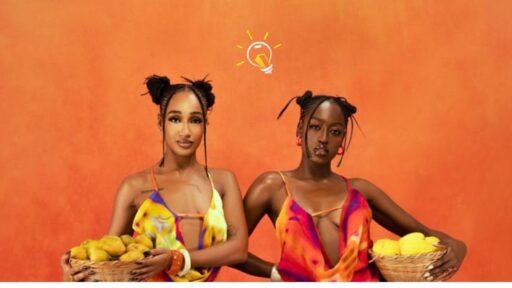
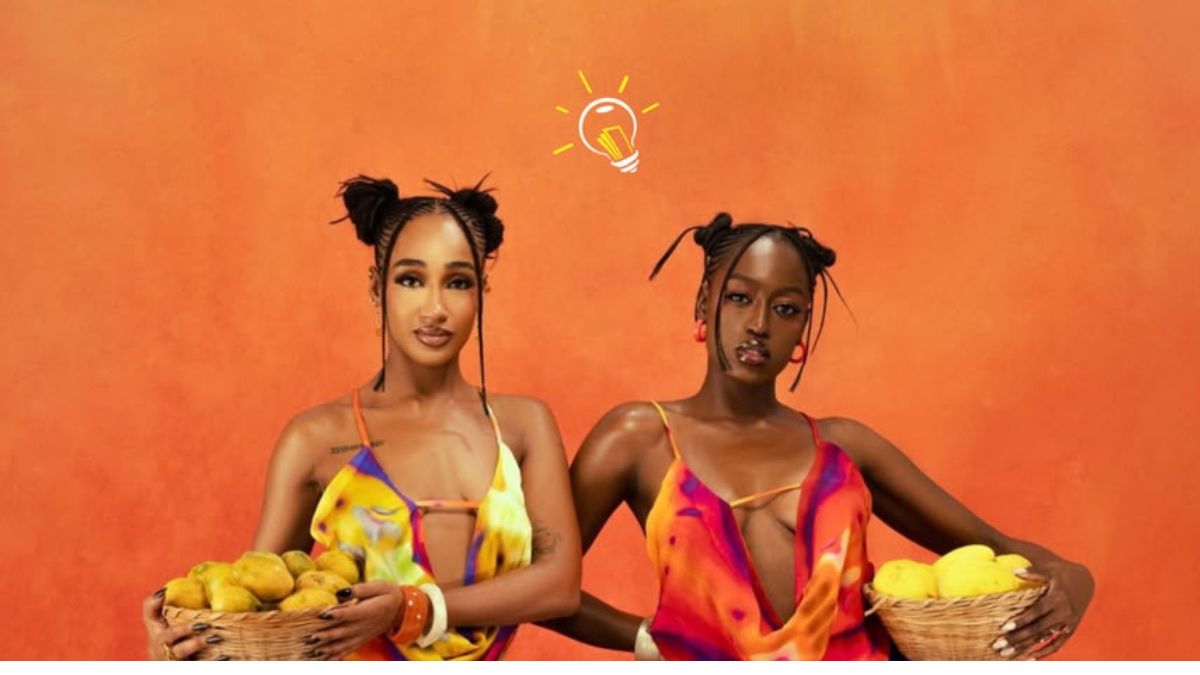
SHOP NANDRA operates with a more expressive visual direction, using color, texture, and silhouette to create pieces that are immediately noticeable.
The brand draws from cultural references and translates them into contemporary fashion choices that resonate with younger audiences. Its adoption across social media has played a role in expanding its visibility beyond its immediate market, with frequent appearances in editorial styling and creator-led content.
It has become especially popular among younger fashion audiences who see clothing as a form of storytelling rather than just styling.
3. WUMAN
WUMAN focuses on womenswear that blends structure with fluidity, offering designs that sit between everyday wear and elevated styling. The brand’s approach to design reflects a growing demand for clothing that feels both functional and expressive. Its collections often circulate within creative and professional communities where fashion is treated as part of personal identity and presentation. Its appeal sits in its balance: wearable enough for everyday life, but distinctive enough to stand out in editorial spaces.
4. EKI KERE
EKI KERE builds its design language around cultural memory and reinterpretation of traditional forms.
The brand places emphasis on craftsmanship and detail, often producing pieces that reference heritage textiles and historical aesthetics in a contemporary format. Its work has been recognized in conversations around preservation and modernization of African design languages and feels archival in spirit, with a focus on craftsmanship and meaning rather than mass production.
This approach has positioned EKI KERE within conversations around cultural sustainability in African fashion.
5. STUDIO BONNITTA
STUDIO BONNITTA is positioned in the experimental segment of African fashion, focusing on sculptural forms, unconventional cuts, and limited production releases. The brand’s collections are often designed with editorial styling in mind, making them popular within fashion photography and creative direction spaces. Its output prioritizes design exploration over scale, which has contributed to its niche but highly engaged following.
6. KENTE GENTLEMEN
KENTE GENTLEMEN works within menswear, drawing inspiration from traditional textile systems and reinterpreting them into contemporary silhouettes. The brand is redefining what African menswear can look like on a global stage.
The direction combines heritage references with modern tailoring, creating pieces that appeal to both local and diaspora audiences. Its positioning reflects a broader interest in African menswear that connects cultural identity with everyday functionality.
The result is a brand that feels both rooted and forward-facing: one that appeals to modern African professionals, creatives, and diaspora audiences.
7. BUZIGAHILL
BUZIGAHILL is one of the most globally visible African fashion disruptors in recent years.
Known for its “return to sender” concept, the brand reworks second-hand clothing sourced from the global North into redesigned, high-fashion pieces. It has gained international attention through its approach to upcycling and redesigning secondhand clothing sourced from global markets.
The brand reconstructs existing garments into new designs, creating a clear commentary on fashion consumption and production cycles. Its collections have been featured in global fashion conversations, particularly within sustainability and circular design discussions.
The shift taking place across African fashion
These brands are operating within a fashion environment that is becoming more structurally connected to global markets while still maintaining independent identity at the local level. Their growth reflects a few visible patterns across the sector:
Design is now functioning as a form of cultural communication, not just seasonal output. Many of these labels are building recognition through consistency in visual language rather than scale of production.
Distribution is also changing. Social platforms, stylists, and independent editorial features are now playing a larger role in how African fashion reaches international audiences, often ahead of traditional retail or wholesale expansion.
At the same time, brand identity is becoming a central asset. Labels are developing distinct creative codes that allow them to exist in multiple markets without losing recognizability.
Taken together, these developments show a fashion ecosystem that is becoming more self-directed, with African designers building systems that support visibility, relevance, and long-term positioning beyond their immediate geography.