Africa is No Longer an Emerging Music Market, Says Obi Asika
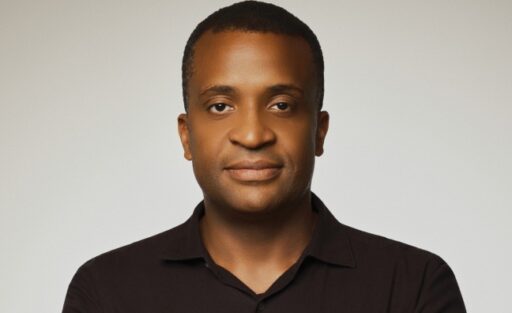
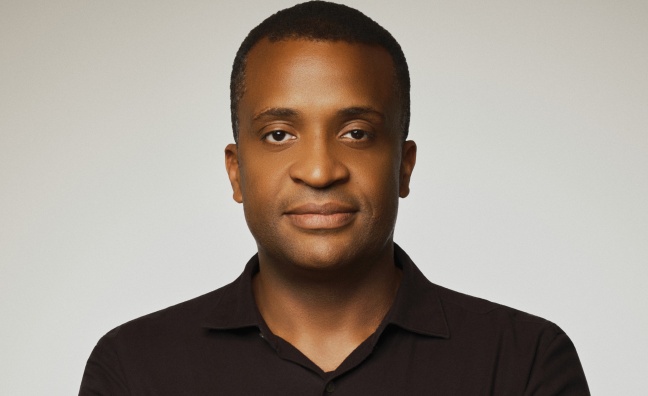
Africa should no longer be viewed as an emerging opportunity in the global music industry but as one of the world’s most exciting music markets, according to Obi Asika, co-founder of Afro Nation and founder of TMG Talent Agency.
Asika made the remarks in an interview with Music Week while discussing the launch of TMG Talent Agency, a new venture created to represent music artists and creative professionals across Africa and the global diaspora.
The agency is designed to connect African talent with international markets by providing artist representation, strategic guidance, touring support, and global industry relationships.
“For African artists, we’re providing the representation, strategic guidance and international relationships needed to build long-term global careers,” Asika said.
He pointed to the success of platforms such as Afro Nation and Piano People, as well as the international growth of artists including South Africa’s Tyla, as evidence of the opportunities available to African talent when the right relationships and platforms come together.
Africa’s music industry is entering a new phase
According to Asika, the growth of Africa’s music industry requires a deeper understanding of the continent’s diverse markets and operating realities.
He argued that touring across Africa involves far more than simply booking shows, with artists and their teams needing to understand local audiences, infrastructure, logistics, brands, governments, cultural institutions, and the specific context of each market.
“Ultimately, Africa shouldn’t be viewed as an emerging opportunity anymore. It’s one of the most exciting music markets in the world,” he said.
These reactions point to something bigger: how the world now sees Africa’s creative economy. International players are no longer treating the continent as a market to keep an eye on until it “arrives”; they’re moving to plant themselves inside an ecosystem that’s already exporting chart-topping artists, sold-out festivals, and entire genres to the rest of the world.
TMG Talent Agency plans a boutique approach
TMG Talent Agency will provide talent representation, touring advice, market entry strategy, event production, tour logistics, and brand partnership support.
However, Asika said the agency plans to deliberately maintain a relatively small roster rather than pursue rapid expansion.
“We’re not going to have crazy amounts [of acts],” he said. “I can see it being 30 or 40 music clients in a few years. I don’t want it to be bigger than that on music terms.”
The boutique approach, he explained, is intended to allow the agency to focus on creating meaningful opportunities for the artists it represents.
The agency’s team includes Jen Martin, formerly music operations manager at United Talent Agency; Josh Koram, an artist booker for Afro Nation; and Ishbel Macpherson, who serves as artist booking manager.
Tyla among agency’s first clients
South African singer Tyla is among the agency’s inaugural clients, with TMG working alongside her existing international representation.
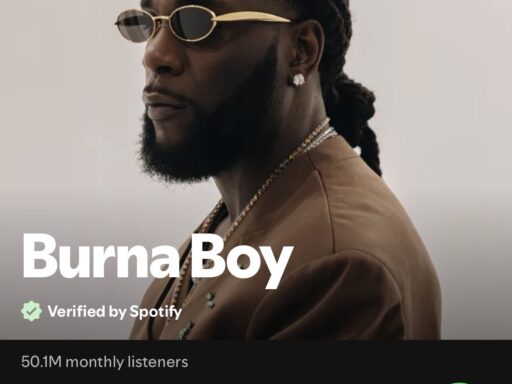
Asika previously played a role in Tyla’s early live career, including helping secure her first live performance at Piano People in London in 2022. She later performed at Afro Nation in 2023 before returning as a headliner in 2026 alongside Wizkid,Burna Boy, and Asake.
Rather than replacing the artist’s existing global representation, TMG is working as a co-agent and strategic partner.
Asika said the agency is open to similar collaborative arrangements where working alongside existing agents can create better opportunities for artists.
“We don’t mind booking an act globally, but if the right agent comes along, we will happily co-agent with someone,” he said.
Brand partnerships are becoming central to artist careers
Asika pointed to brand partnerships as another pillar of long-term artist sustainability.
As artists now operate as global brands in their own right, he argued, partnerships open up revenue streams that go well beyond touring and recorded music.
“Today’s artists are global brands in their own right, so partnerships have become a key part of building sustainable careers,” he said. But he was careful to draw a line: brand deals shouldn’t be treated as one-off commercial wins as they need to sit inside an artist’s broader career strategy.
Done right, he noted, a partnership can do more than pay the bills; it can fund touring, push new music to wider audiences, and cement an artist’s standing in key markets over time.
Infrastructure must keep pace with Africa’s music growth
Despite the growing global demand for African music, Asika identified infrastructure as one of the key challenges facing the continent’s continued expansion.
He noted that the appetite for African music is already strong, but the infrastructure supporting the industry must continue developing at the same pace.
Several new and existing arenas across the continent, including venues in Luanda, Kigali, Cape Town, Pretoria, and Nairobi, point to the growing investment in Africa’s live entertainment infrastructure.
Construction has also begun on new arena infrastructure in Lagos. For Asika, the development of this ecosystem will require collaboration between international agencies, local promoters, brands, governments, and other industry players.
“The biggest challenge isn’t demand; the appetite for African music has never been greater,” he said. “One challenge is making sure the infrastructure in Africa evolves at the same pace as the culture.”
As Africa’s music reaches ever-wider global audiences, the next phase of growth may hinge less on proving the continent’s creative potential and more on building the infrastructure to sustain it. For Asika, that means retiring the language of Africa as an “emerging” market altogether and recognizing it instead as a major global music ecosystem already in full motion.