Nigeria’s New Creator Platform Wants to Fix the Systems Behind Its Content Boom
Nigeria’s creative economy is producing content at a scale that existing systems are struggling to manage.
Thousands of songs are uploaded by Nigerian artists every day. Still, many enter the digital ecosystem without proper metadata, track registration, management support, or the infrastructure required to ensure creators can be discovered and paid.
A new government-enabled Digital Service Provider, Discover Nigeria, is being developed to address some of those gaps.
The platform, which is expected to launch in August, is being positioned as a creator-first service designed to improve discoverability, strengthen branding and bring greater structure to Nigeria’s growing volume of creative output.
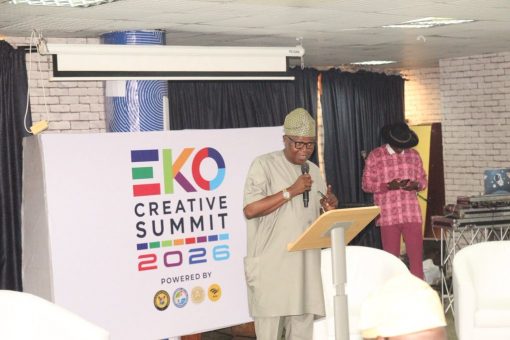
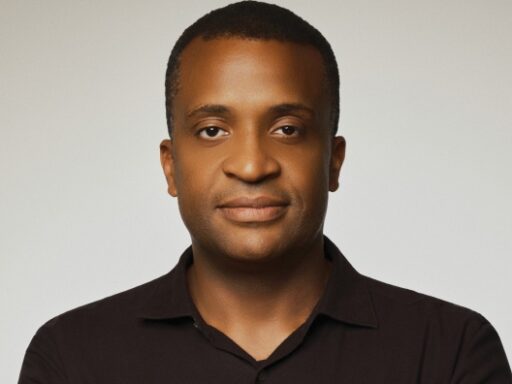
Obi Asika, Director-General of the National Council for Arts and Culture, disclosed details of the platform during his keynote address at the Africa Music Business Roundtable 2026.
His argument was straightforward: Nigeria does not have a shortage of content, but a shortage of the systems required to capture the value generated by that content.
Nigeria’s content boom is running ahead of its infrastructure
Asika said Nigerian artists upload between 5,000 and 10,000 songs online every day, with many lacking the budgets, management structures and metadata required to properly register and commercialize their work.
This creates a problem: without accurate information about who owns a piece of content, how it should be credited or where revenue should be directed, intellectual property can become difficult to track and monetize.
“The fight for value is a fight against absence,” Asika said. “Absence of metadata, of collection infrastructure, of institutions. Because of the absence, the money flows.”
He compared Nigeria’s music revenue performance with South Africa, which he said collects about six times more in music revenue despite having a significantly smaller market. He then pointed out that the difference is not necessarily the size of the talent pool or the strength of the music itself but the infrastructure surrounding the industry.
Discover Nigeria is designed to bring structure to the flood
Discover Nigeria is expected to go beyond functioning as a conventional music distribution platform.
The service will support creators through discoverability tools, playlists and branding while helping to address some of the administrative gaps that currently surround the release of creative work.
The platform forms part of a broader effort to build the systems required to manage Nigeria’s growing creative output.
For artists, the value of such infrastructure may be found in the details that are easy to overlook: correct metadata, proper registration, accurate ownership information and systems that connect content with the people entitled to earn from it.
The challenge is particularly significant in an industry where content is being produced faster than the institutions responsible for managing its commercial value can keep up.
The next major opportunity may be outside music revenue
Asika also pointed to several underdeveloped revenue streams within Nigeria’s music economy.
Publishing, sync licensing, mechanical rights, and performance rights all offer opportunities for greater value capture. Sync licensing, in particular, remains relatively underdeveloped despite the potential for Nigerian music to feature in films, television productions, advertisements and other audiovisual content.
The traditional ringtone market, once a major source of music revenue, has also declined, while collection challenges continue to affect Collective Management Organisations.
However, one of the biggest opportunities may exist beyond the music itself.
Asika identified merchandise, products, toys and digital goods as largely untapped areas for the Nigerian entertainment industry.
The global success of Afrobeats has created valuable intellectual property and recognizable artists, characters, and cultural identities. Yet the commercial ecosystem built around those assets remains relatively limited.
“This does not mean it cannot happen. It just means that we have not yet entered that space,” he said, adding that merchandise and related products can serve as significant revenue multipliers for entertainment businesses.
Selar shows what a structured creator platform can do
Asika pointed to Selar as an example of the commercial potential that can emerge when creators have access to structured digital platforms.
The platform operates as a marketplace for creators across about 11 countries and, according to Asika, paid out close to ₦25 billion to creators in 2025.
The example highlights a broader point about the creator economy.
The challenge is not always the absence of demand. Creators may already have audiences, products and valuable intellectual property. What they often lack are the platforms and systems that make it easier to package, distribute and monetize those assets.
Asika said the government would be interested in strategic partnerships with private-sector platforms capable of helping the creative economy scale.
New IP framework could change how creators access capital
The development of Discover Nigeria comes alongside a significant policy change around intellectual property financing.
Nigeria approved a new intellectual property framework in 2025 through the Federal Executive Council. Developed jointly by the Ministry of Trade and Investment and the Ministry of Arts, Culture, Tourism and the Creative Economy, the framework is expected to enable valuable intellectual property, including music catalogs and other creative content, to serve as collateral for financing.
If implemented effectively, the change could alter how banks assess creative businesses.
For years, creators and creative entrepreneurs have struggled to access traditional financing because they often lack the physical assets and conventional forms of collateral demanded by financial institutions.
The new framework is intended to recognize intellectual property as an economic asset that can be valued and used to secure financing.
Asika said the Nigerian Copyright Commission would be responsible for implementing the framework across sectors, with the process eventually expected to involve the Bankers’ Committee.
The potential significance is considerable. A creator with a valuable catalog could, in theory, have an asset that can be recognized by financial institutions rather than being forced to rely solely on personal savings or informal funding.
The creator economy needs systems that can capture value
Asika’s address at the Africa Music Business Roundtable points to a broader reality facing Nigeria’s creative economy.
The country has successfully produced globally relevant music, films and other forms of cultural content. The next challenge is building the infrastructure that ensures the economic value of that work is properly identified, collected and distributed.
Discover Nigeria is one attempt to address the infrastructure gap. The proposed IP financing framework is another.
But their success will depend on implementation and the ability of public institutions to work with private operators that can build and operate efficient commercial systems.
In a creative economy, producing more content is only one part of the business. The real value lies in knowing who created it, who owns it, where it is being used, who should be paid and building the infrastructure to make sure the money gets there.