FG Moves to Formalize Africa’s Creative Economy as a Trade Engine Through New Continental Expo
Nigeria’s Federal Government has begun institutional groundwork for a major shift in how it frames tourism and the creative economy. It is now being positioned as a structured economic driver tied to trade, investment, and continental integration, not as cultural soft power alone.
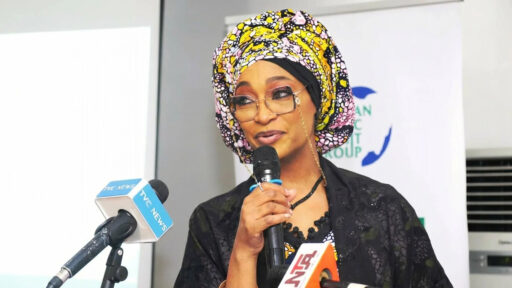
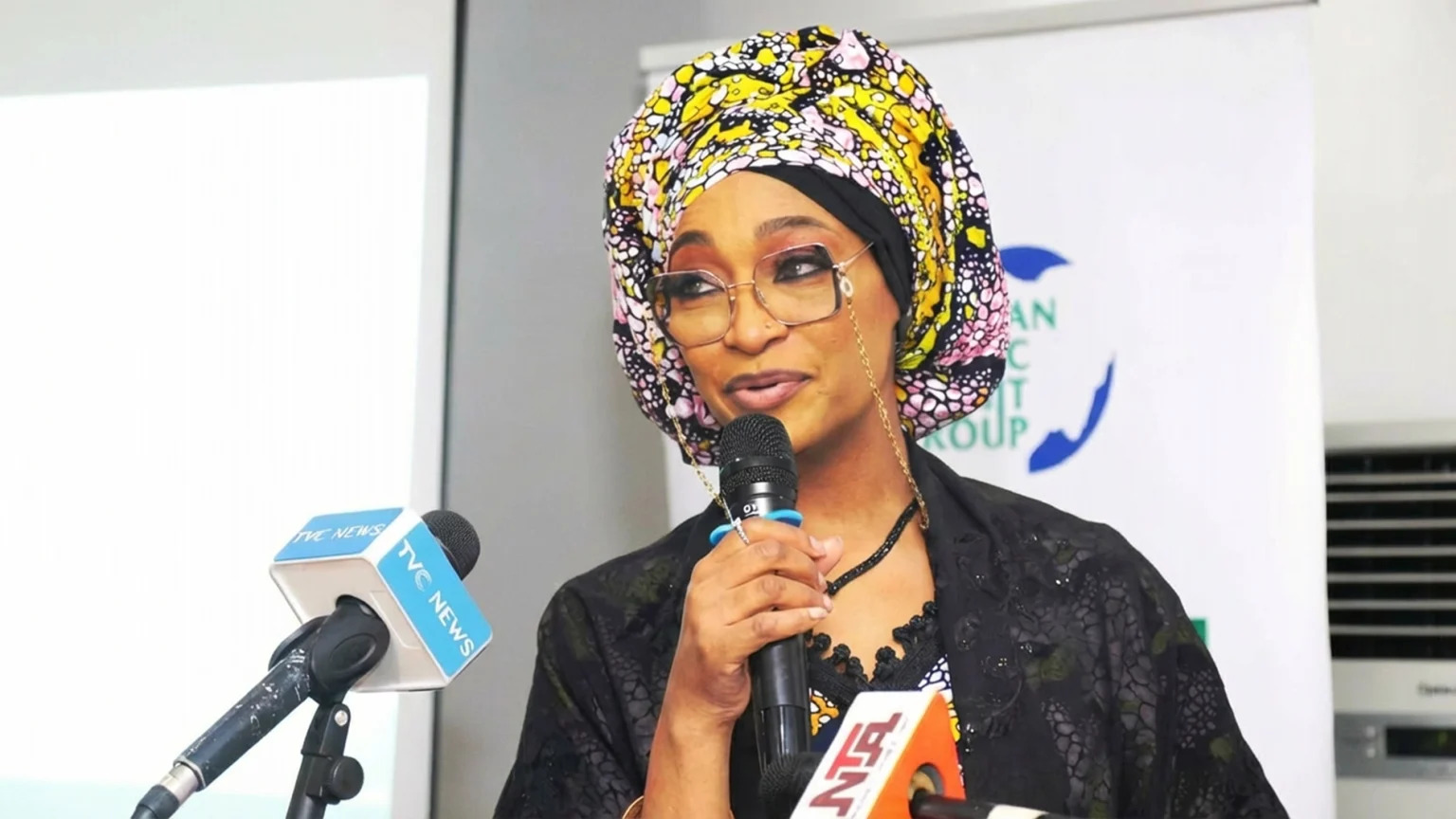
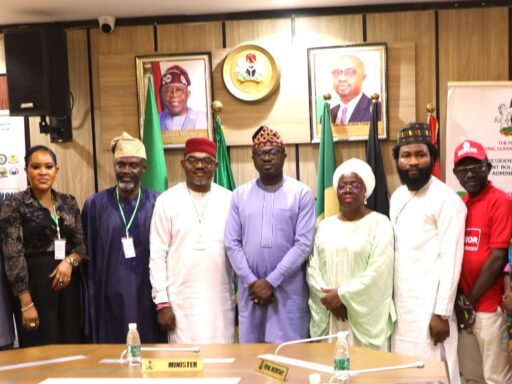
This became clear with the inauguration of the Local Organizing Committee (LOC) for the upcoming Africa Tourism and Creative Economy Expo, scheduled for November 24–25, 2026, in Abuja.
The Expo is positioned as a policy-to-market platform that brings together governments, investors, and private sector actors to align on how Africa’s cultural and creative assets can be monetized at scale.
At the center of the initiative is a broader economic ambition: repositioning Africa’s creative industries within formal trade frameworks rather than leaving them in informal or fragmented cultural clusters.
A shift from cultural promotion to economic infrastructure
The Permanent Secretary of the Federal Ministry of Arts, Culture, Tourism and Creative Economy, Mukhtar Yawale Muhammad, framed the Expo as a strategic economic intervention rather than a ceremonial gathering.
The language used around the Expo signals a policy direction focused on economic integration of culture, tourism, and creativity into national GDP strategy, rather than treating them as standalone sectors.
Themed “Optimizing Africa’s Comparative and Competitive Advantage for Accelerated Trade and Economic Growth,” the event reflects a growing policy narrative: Africa’s creative economy is now being evaluated through the lens of trade competitiveness and cross-border economic expansion.
This is consistent with broader shifts across the continent where governments are beginning to explore creative industries as export-ready sectors, particularly in music, film, fashion, and digital content.
Agenda 2030 and the trade ambition behind the expo
One of the most significant elements of the announcement is the unveiling of Agenda 2030, a continental framework introduced by the LOC chairman, Mallam Denja Abdullahi. The goal is ambitious: enhancing Africa’s share of global trade from an estimated 2% to 10% by 2030, driven partly through tourism and creative economy expansion.
While the target is aspirational, its inclusion signals a key policy trend: the attempt to link creative industries directly with macroeconomic indicators such as trade share, investment inflow, and regional economic integration under frameworks like the African Continental Free Trade Area (AfCFTA).
This reflects a shift from viewing the creative sector as consumption-driven to treating it as a production and export system with measurable economic outputs.
What this means for Africa’s creative and tourism ecosystem
The Expo structure itself gives insight into how policymakers are thinking about the sector’s future.
Planned activities include exhibitions, investment workshops, B2B meetings, cultural showcases, and peer-review mechanisms across African countries.
This combination is important because it signals a move toward formal investment matchmaking in creative sectors, cross-border cultural trade facilitation, policy benchmarking between African states, and integration of tourism with creative IP commercialization.
In practical terms, this suggests future opportunities may progressively sit at the intersection of government policy, private capital, and structured creative export systems, rather than isolated creative initiatives.
The bigger picture: creative economy as state-level economic strategy
What stands out in this development is the institutional framing around the Expo. The Federal Government, beyond hosting an event, is building a recurring platform where creative industries are positioned alongside trade policy and investment strategy.
This reflects a wider pattern emerging across African economies: creative industries being absorbed into economic planning ministries; increased focus on IP, tourism, and cultural exports; alignment with regional trade frameworks like AfCFTA; and rising interest from governments in monetizing soft power assets.
If sustained, this approach could reshape how creative work is funded, scaled, and exported across the continent, especially if private capital begins to align with these policy structures.