
Event Details
- Event Name: Summer Institutes in Computational Social Science (SICSS) Nigeria 2026 – Uyo
- Event Theme: “Tech for Open Minds”
- Dates & Duration: August 2026 (14-Day Intensive Workshop)
- Host Location: Uyo, Akwa Ibom State, Nigeria
- Program Founders: Prof. Christopher Bail and Prof. Matthew Salganik
- Funding & Sponsorship: Templeton World Charity Foundation and Wiki In Africa
- Leadership Team: Hosted by Dr. Rhoda Asuquo, alongside co-hosts Dr. Juliet Inyang and Yohanna Joseph Waliya
- Core Focus: Applying computational methods, web scraping, and Wikimedia project data to solve complex social problems across Africa.
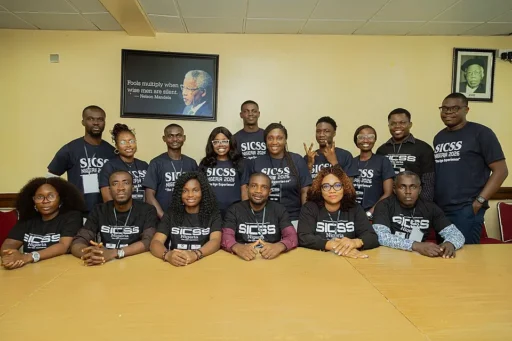
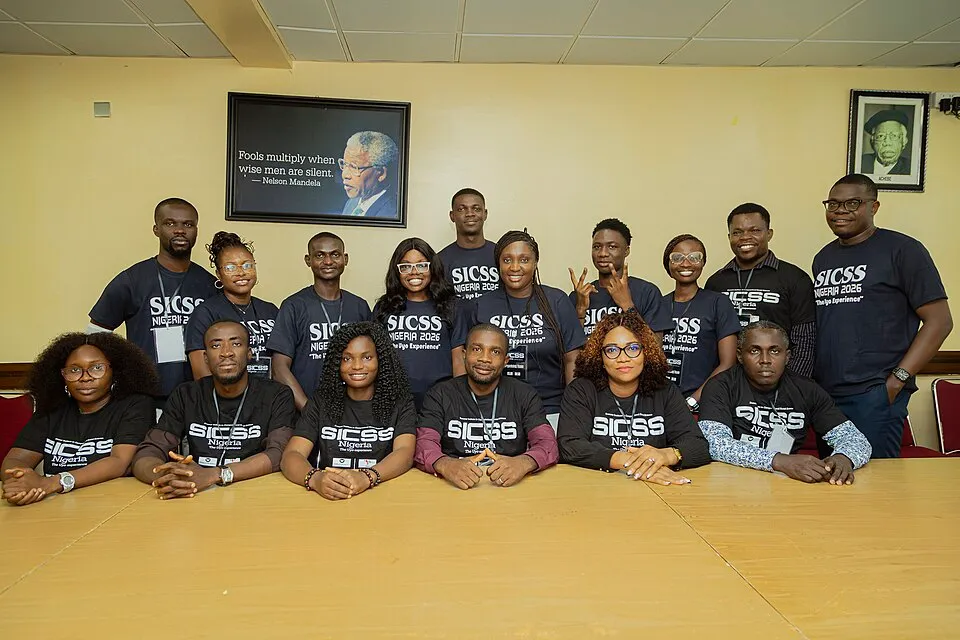
For fourteen transformative days in Uyo, Nigeria, twenty dedicated researchers, educators, health professionals, digital strategists, and postgraduate students gathered under one roof with a unified goal: applying modern data tools to complex human challenges. Operating under the banner of the Summer Institute in Computational Social Science 2026 (SICSS Nigeria), the gathering embraced the theme “Tech for Open Minds,” exploring how digital footprints and open data can illuminate critical issues across education, public health, gender inequality, and information integrity.
Unlocking Wikimedia Projects as Open Data Resources for Research
A central highlight of the 14-day institute was exploring the untapped research potential of the global Wikimedia movement. Guided by experienced Wikimedians Hilary Ogali, Chinonso Chidi, and Andikan Eduok, participants looked far beyond simply reading Wikipedia articles. They discovered how Wikipedia, Wikidata, and connected open repositories serve as rich datasets for investigating language representation, digital access gaps, and systemic social bias.
By connecting open knowledge ecosystems to computational techniques, participants learned to extract and structure large-scale data using APIs, web scraping, knowledge graphs, and Natural Language Processing (NLP). Facilitators walked attendees through data cleaning, feature engineering, and visualization, transforming raw open-source data into actionable socio-technical research insights.
Hands-On Computational Training
To move from theoretical learning to practical application, the workshop utilized interactive icebreakers like “Research Speed Dating” and the “Problem Dart Wheel.” These sessions helped break down academic silos, pairing public health experts with software developers, social scientists, and educators to tackle real-world challenges.
Working in interdisciplinary teams, participants extracted custom datasets from Wikipedia and Wikidata to address urgent societal themes:
- Political & Gender Representation: Analyzing biographical visibility and systemic bias in digital encyclopedias.
- Misinformation & Media Literacy: Tracking patterns of disinformation across online communication channels.
- Public Health & Education: Mapping regional health data and educational resource distribution to identify systemic gaps.
- Language Diversity & Inclusion: Evaluating digital representation for indigenous African languages across knowledge networks.
Rather than rushing to complete full papers during the two-week timeframe, each group crafted a rigorous research concept note outlining clear problem statements, proposed data pipelines, methodology frameworks, and expected societal contributions.
Peer Review, Collaborative Learning, and Long-Term Research Impact
During the second week of the institute, participants engaged in structured peer-review sessions. Groups presented their concept notes, received constructive feedback from expert facilitators, and iteratively refined their research designs. On the final day, each team formally presented its complete research proposal and dataset architecture.
Supported by sponsors such as the Templeton World Charity Foundation and Wiki In Africa, the end of the 14-day program marks the beginning of an ongoing research agenda. The newly formed interdisciplinary teams are continuing their collaborative work, transforming their scraped Wikimedia datasets and peer-reviewed concept notes into full, publishable academic papers.
Reflecting the advice given by host Dr. Rhoda Asuquo on day one to “come empty and leave full”, the participants departed Uyo equipped not only with computational skills and data methodologies, but with a lasting network of collaborators dedicated to using tech for social good.
https://diff.wikimedia.org/2026/08/26/wikimedia-at-summer-institutes-in-computational-social-science-2026-uyo-nigeria/