How Batik Art Is Shaping Modern African Creativity and Design
Batik art in Africa is gaining fresh relevance as designers, textile artists and creative entrepreneurs combine traditional dyeing techniques with contemporary ideas in fashion, interiors and visual art. Countries including Nigeria, Ghana, Tanzania, Kenya and Cameroon have active textile communities where batik and related resist-dye practices are used to express culture and create products for modern markets.
Batik has strong historical roots in Indonesia, where UNESCO recognised it as Intangible Cultural Heritage in 2009. However, related resist-dyeing traditions have developed across Africa. In Nigeria, for example, the Yoruba adire tradition has become an important influence on contemporary textile design.
From Traditional Textile Craft to a New Creative Language
Dye Lab
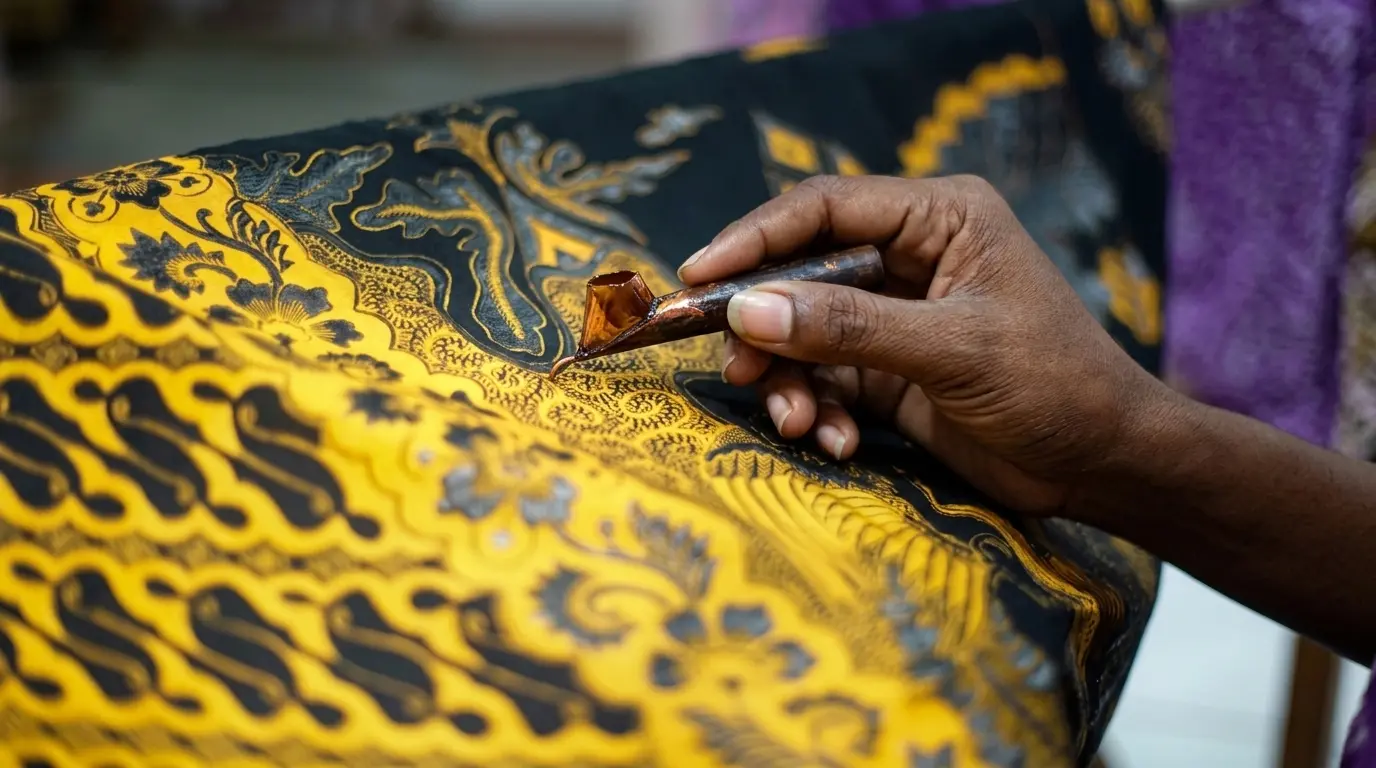
Batik transforms fabric through the use of wax or other resist materials before dye is applied, creating distinctive patterns and colours. Its handmade character gives artists room to experiment, making every piece potentially unique.
Nigeria provides a strong example through Nike Davies-Okundaye, one of the country’s best-known textile artists. She has promoted batik, indigo dyeing and adire while helping preserve Nigerian textile knowledge and introduce it to contemporary audiences.
Ghana also has a strong batik culture. Artists such as Edward Lamptey have developed work around batik, painting and African textile design, while Eva Naa Dodua Yebuah has incorporated batik and tie-dye into Afrocentric interior products.
Ghana’s textile businesses also demonstrate the commercial potential of batik. Companies such as Edtex Ghana produce handmade textile designs and contemporary cotton batik fabrics for modern consumers.
Younger creatives are further expanding the possibilities by combining traditional techniques with new colours, patterns and silhouettes, creating designs that connect heritage with contemporary lifestyles.
Batik Art Is Expanding Across Fashion, Interiors and Visual Arts
batik wall art
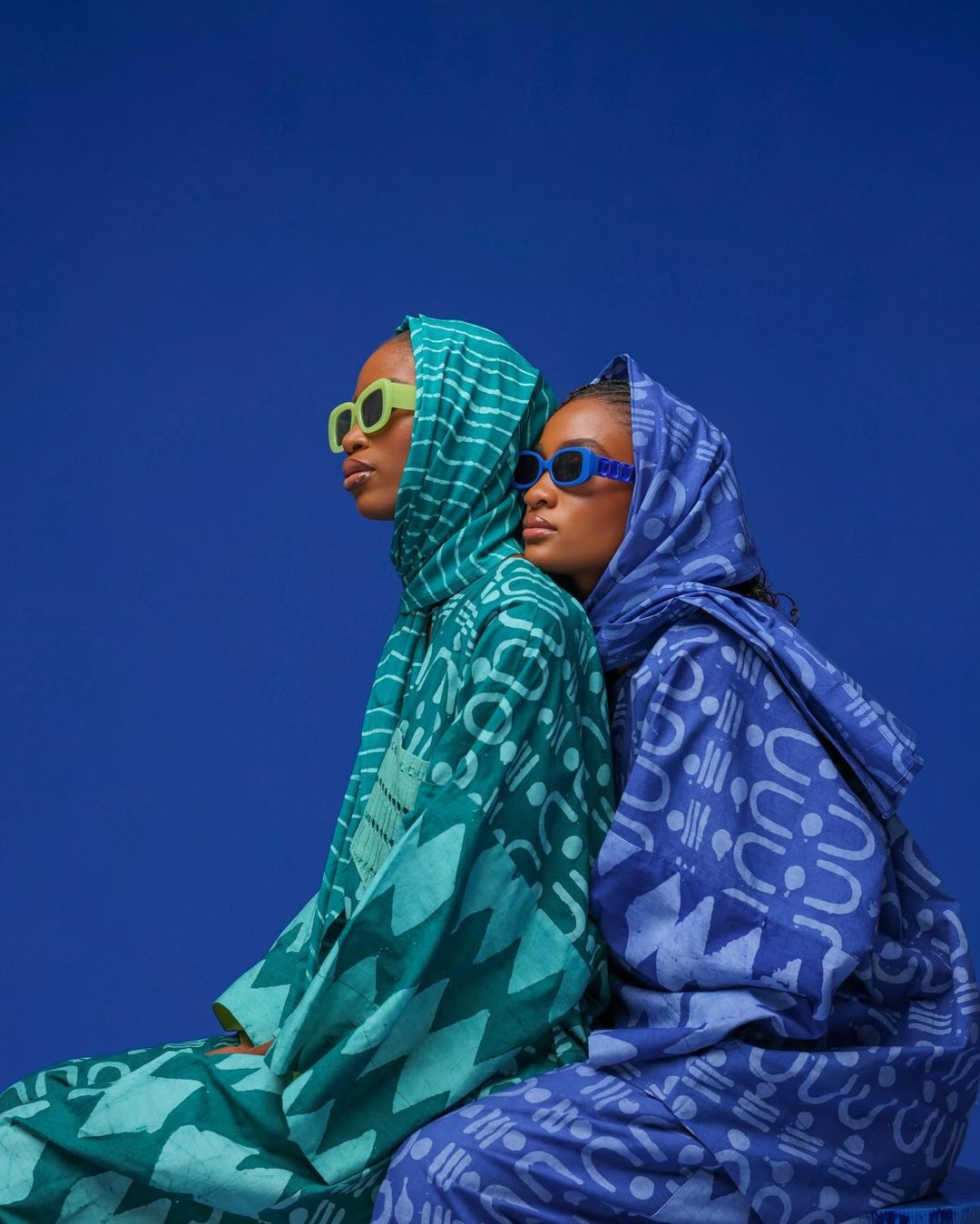
Fashion remains a major area where African batik art is gaining attention. Designers use hand-dyed textiles for dresses, jackets, shirts, accessories and statement pieces, while the individuality of handmade fabrics helps smaller brands develop distinctive products.
Nigerian designer Lisa Folawiyo has experimented with wax fabric and traditional African batik techniques, demonstrating how familiar textile influences can be transformed into contemporary fashion.
Tanzania has a significant small-scale batik industry, particularly among women producers. The sector provides income and employment, although producers face challenges involving finance, equipment, materials and design development.
Kenya is also part of East Africa’s textile landscape. Ugandan-born artist John Mubiru developed his batik practice while living in Nairobi, learning the wax-resist technique from Ugandan artists based in Kenya.
In Cameroon, textile designer and educator Zingha Foma has explored African batik through Ngande Textiles, working with artisans on hand-stamping, dyeing and other traditional techniques to create contemporary fabrics.
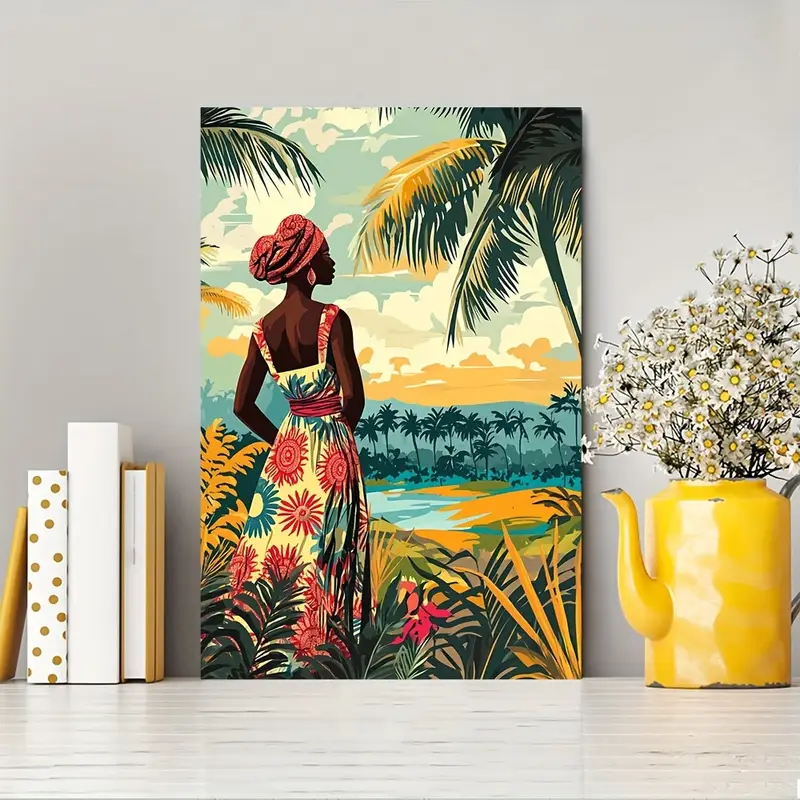
Batik and related textile techniques are also being used in interior design, including cushions, curtains, upholstery, wall hangings and decorative pieces. This allows textile artists to reach markets beyond clothing and fashion.
Why Batik Matters to the Future of African Creativity
batik (2)
The growing interest in batik art in Africa goes beyond attractive fabrics. It creates opportunities for artisans, designers, artists and small creative businesses while helping preserve valuable textile skills. Tanzania’s experience, for example, shows how batik can contribute to income and employment among small-scale producers.
Preserving textile knowledge is equally important. When younger generations stop learning traditional techniques, valuable skills can disappear. Training programmes and creative businesses can keep these practices active while helping young people develop careers from craftsmanship.
Modernising textile traditions also requires cultural awareness. Batik should not be described as an indigenous African invention because its best-known historical tradition is associated with Java, Indonesia. However, African artists have developed their own resist-dyeing traditions and adapted batik and wax-print aesthetics into distinctive creative forms.
The future of African batik art will likely be shaped by experimentation, technology and stronger connections between artisans and commercial markets. Digital tools and online platforms can help artists develop designs, promote their work and reach customers beyond their local communities.
Ultimately, batik art in Africa shows how textile traditions can remain connected to culture while adapting to modern markets. From Nigerian studios and Ghanaian workshops to Tanzanian producers, Kenyan creative communities and Cameroonian textile initiatives, artists are turning fabric into fashion, art, interior products and economic opportunities. This connection between heritage and innovation makes batik and related resist-dye techniques relevant to modern African creativity. Rather than remaining fixed in the past, textile traditions can inspire new generations, support creative businesses and provide African designers with powerful materials for telling contemporary stories.