
Creative Economy in Nigeria Could Add $450 Billion to the Economy But What Does That Imply?
For years, Nigeria’s biggest economic conversations have revolved around oil, agriculture, manufacturing and technology.
But another sector is increasingly demanding a place at the table: the creative economy.
The National Institute for Policy and Strategic Studies (NIPSS) now says Nigeria’s creative sector has the potential to contribute as much as $450 billion to the economy if properly developed and harnessed.
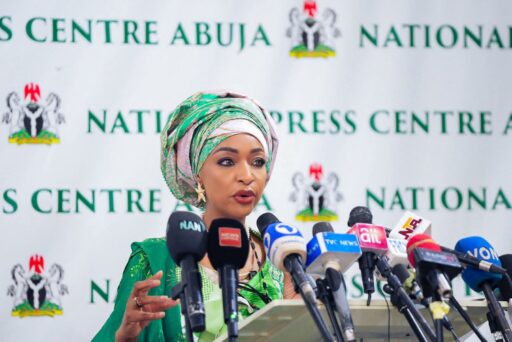
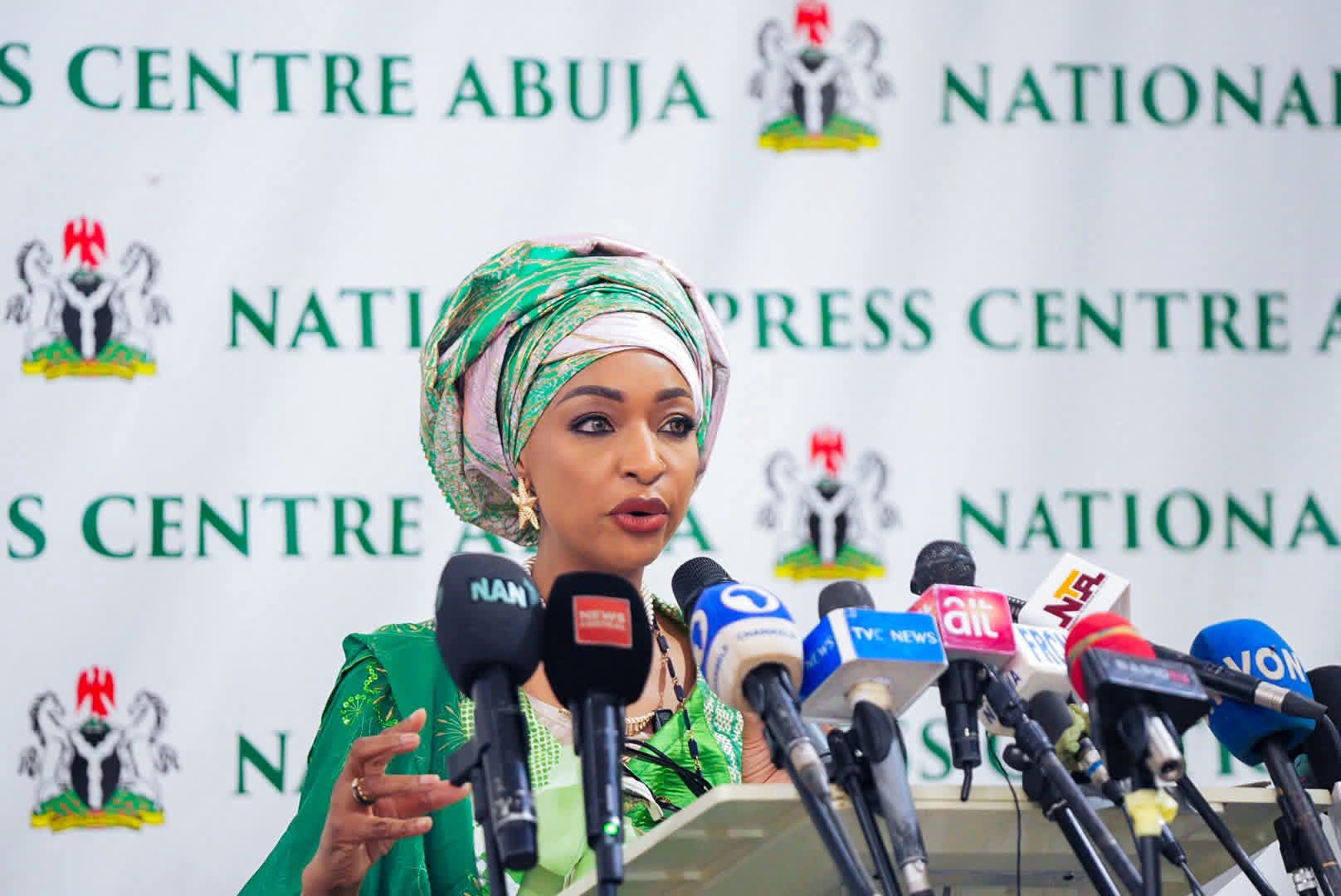
The figure was disclosed by NIPSS Director-General, Professor Ayo Omotayo, during a meeting with the Minister of Art, Culture, Tourism and the Creative Economy, Hannatu Musa Musawa, in Abuja. The meeting was held ahead of the National Summit and Exhibition on the Orange Economy, which NIPSS is organizing in October but there is an important detail.
NIPSS’s research puts the sector’s potential contribution at around $250 billion, while suggesting that this could rise to $450 billion when the sector is properly harnessed.
In other words, the $450 billion figure represents potential, not money Nigeria is currently generating from its creative industries.
That distinction is important as it may actually make the story more interesting.
The Opportunity Is Bigger Than Music and Movies
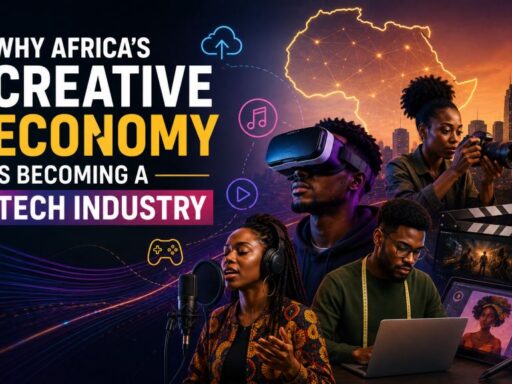
When people hear “creative economy”, they often think about Afrobeats, Nollywood and fashion. Those industries are certainly important but the creative economy is much broader.
It includes areas such as:
- Film and television
- Music
- Fashion
- Publishing
- Design
- Gaming
- Animation
- Advertising
- Photography
- Visual arts
- Gastronomy
- Digital content
- Tourism and cultural experiences
- Sports and entertainment
NIPSS’s broader Orange Economy agenda is designed to examine how these areas can contribute to economic diversification, employment and national development. This matters because Nigeria already has something many emerging industries spend years trying to build:
a large pool of creative talent and globally recognised cultural products.
Afrobeats has become a global phenomenon. Nollywood remains one of the world’s most prolific film industries by volume. Nigerian fashion influences international culture and Nigerian creators are increasingly building audiences across YouTube, TikTok, Instagram, Spotify and other digital platforms.
The challenge is turning that cultural influence into greater economic value.
Nigeria Has the Talent, The Bigger Question Is Infrastructure.
One of the reasons the $450 billion projection is significant is that it highlights the gap between creative potential and creative infrastructure.
Nigeria doesn’t necessarily have a shortage of talented people. It has challenges around how that talent is organized, funded, protected and monetized.
The Minister of Art, Culture, Tourism and the Creative Economy has previously identified several barriers, including limited access to finance, weak intellectual-property enforcement, infrastructure deficits, piracy, skills gaps and weak domestic monetisation.
These problems can prevent talented creatives from turning successful ideas into sustainable businesses. A musician may have millions of listeners but struggle to properly monetize their catalogue while a filmmaker may create a successful movie without building valuable intellectual property around it. Also, a designer may have international clients without owning a scalable brand and content creator may have millions of views without a reliable business model.
One important thing to note is that Talent creates the product. Infrastructure determines how much economic value can be extracted from it.
The Government Is Setting Its Own Target
The Federal Ministry of Art, Culture, Tourism and the Creative Economy says the creative sector currently contributes roughly 2.3% of Nigeria’s GDP, with a target of creating two million additional jobs by 2030.
The ministry has also set a target of approximately $100 billion in GDP contribution, while acknowledging that the sector could potentially exceed that figure. This means the government’s immediate ambition is considerably lower than the $450 billion potential identified by NIPSS.
That isn’t necessarily a contradiction. It just shows the difference between what the sector could become and what policymakers believe can realistically be built within a defined period.
Why This Should Matter to Nigerian Creatives
The most important part of this story isn’t actually the $450 billion. It’s what happens if Nigeria begins treating creative work as an economic asset rather than simply entertainment.
That could mean more investment in:
i. Creative infrastructure.
Studios, production facilities, performance spaces, innovation hubs and digital infrastructure.
ii. Intellectual property.
Helping creators own, protect, license and monetize the things they create.
iii. Access to finance.
Giving creative businesses access to capital designed around the realities of intellectual-property-driven businesses.
iv. Skills development.
Training people not only to create but also to market, manage and commercialize their work.
v. International distribution.
Helping Nigerian creative products reach global audiences and generate export revenue.
These are the things that could determine whether the industry’s enormous potential becomes actual economic value.
The Bigger Opportunity May Be the Next Generation
Nigeria’s creative economy is also closely connected to its young population. Every year, thousands of young Nigerians enter fields such as graphic design, photography, filmmaking, music, fashion, animation, social media and digital marketing. Many of them are already creating.
What they often lack is the business infrastructure to turn those skills into sustainable careers. This is why initiatives around creative funding, digital skills, intellectual property and entrepreneurship matter. The
A thriving creative economy shouldn’t simply produce more creatives. It should also produce more creative businesses, jobs, exports and intellectual property. In one of our articles that spoke to the blueprint for Africa’s Creative Economy, we did explain how this can be achieved. You can click here to read more.
What $450 Billion Could Really Mean
If Nigeria eventually manages to unlock even a significant portion of the creative sector’s potential, the impact would go far beyond entertainment.
It could mean new businesses; more jobs, more exports, more tourism, more technology, more investment, more globally recognized Nigerian intellectual property and perhaps most importantly, more young Nigerians earning sustainable incomes from their creativity.
That is why NIPSS’s projection deserves attention but the $450 billion won’t appear simply because Nigeria has talented people.
Talent is the raw material but the real work is building the systems that allow that talent to become an industry.
Wrapping Up
Nigeria has spent decades asking how it can diversify its economy beyond oil. Perhaps part of the answer has been sitting in plain sight. It is in our music, our films, fashion, stories, food, designs, games, digital creators and cultural heritage.
NIPSS’s $450 billion projection is not a guarantee of what Nigeria will earn. It is a reminder of what could be possible if the country’s creative economy is properly financed, structured, protected and connected to global markets.
The question now is no longer whether Nigeria has enough creative talent because We clearly do. The question is whether we can build an economy capable of turning that talent into lasting value and if we can, the creative economy may become much more than an alternative to oil.
It could become one of the engines that powers Nigeria’s next economic chapter.