Detty December: Ember to Remember Tourism Season Could Boost the Creative Economy
Nigeria’s 100-Day Tourism Season: How “Ember to Remember” Could Boost the Creative Economy
As a Nigerian who grew up in Nigeria, you will agree that final months of the year have had a reputation of their own. From September through December, the country comes alive with concerts, festivals, weddings, fashion events, food experiences, cultural celebrations and a massive influx of Nigerians returning home from abroad.
December, in particular, has become a major attraction for the Nigerian diaspora and international visitors. But what if all that activity could become more than a seasonal celebration? What if Nigeria could turn its famous “Detty December” period into a structured economic opportunity that benefits businesses and creatives across the country?
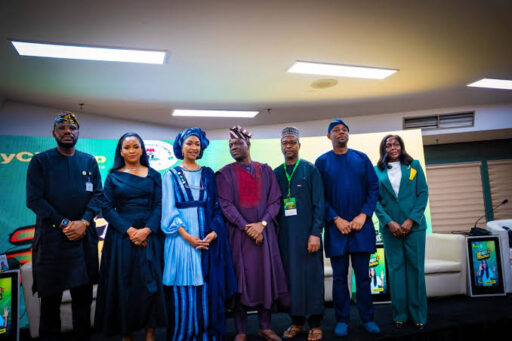
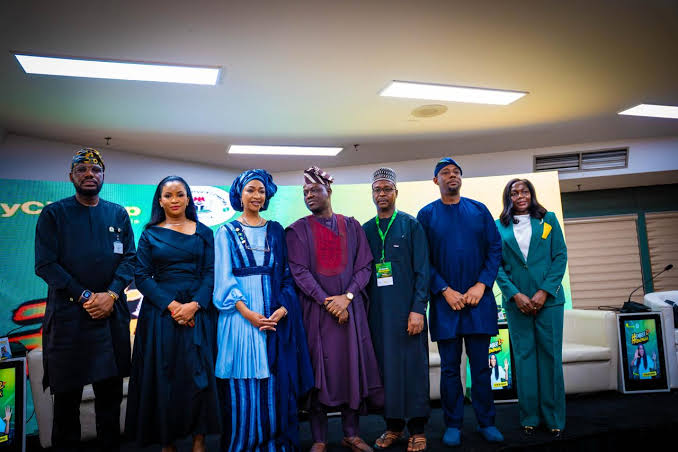
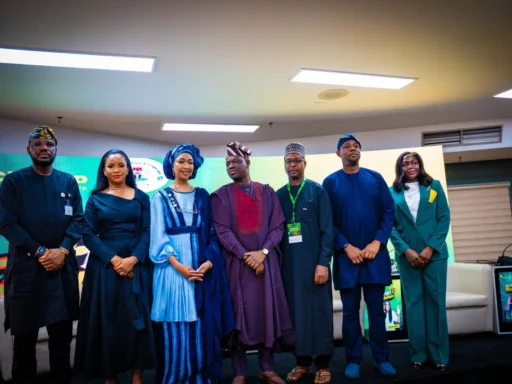
That is the thinking behind “Ember to Remember 2026,” a new 100-day national tourism initiative unveiled by Nigeria’s Federal Ministry of Art, Culture, Tourism and the Creative Economy in partnership with digital platform MyCityApp.
The programme will run from September to December 2026, covering all 36 states and the Federal Capital Territory. It is designed to bring festivals, concerts, cultural events, food experiences, fashion, hospitality, transportation and other tourism activities under one national calendar. If executed properly, it could create a much bigger opportunity for Nigeria’s creative economy.
Nigeria Already Has the Demand
Nigeria doesn’t need to convince people that the ember months are busy. The country already has a strong ecosystem of end-of-year activities. From music concerts in Lagos and Abuja to cultural festivals across different states. There are Food and lifestyle experiences, fashion events, comedy shows, art exhibitions, nightlife, destination tourism and a huge diaspora community returning home to spend time with family and friends.
The problem has largely been that these activities operate independently. One event may be marketed to Lagos residents and another may be targeting tourists. A cultural festival in another state may receive little international visibility and a hotel may know about an event happening nearby, while a visitor doesn’t.
The Federal Government’s argument is that Nigeria needs to connect these experiences rather than treat them as isolated events.
As Tourism Minister Hannatu Musawa put it during the launch, what has been missing is a deliberate structure that brings Nigeria’s various experiences together and markets them as one national story.
That is where “Ember to Remember” comes in.
From “Detty December” to a 100-Day Economy
The most interesting part of the initiative is the attempt to expand the traditional December boom. Instead of treating December as the only period that matters, the programme is designed to run for approximately 100 days, beginning in September and extending through the end of the year.
That change could be significant. A visitor coming into Nigeria for an event doesn’t only spend money on the event. They need somewhere to stay, means of transportation, restaurants to eat. They may go shopping, visit tourist attractions, or attend other events.
Also, they may hire photographers, videographers or tour guides and buy fashion and locally made products.
In other words, one creative experience can generate economic activity across several industries.
That is the bigger idea behind the campaign.
The Creative Economy Is at the Centre of It
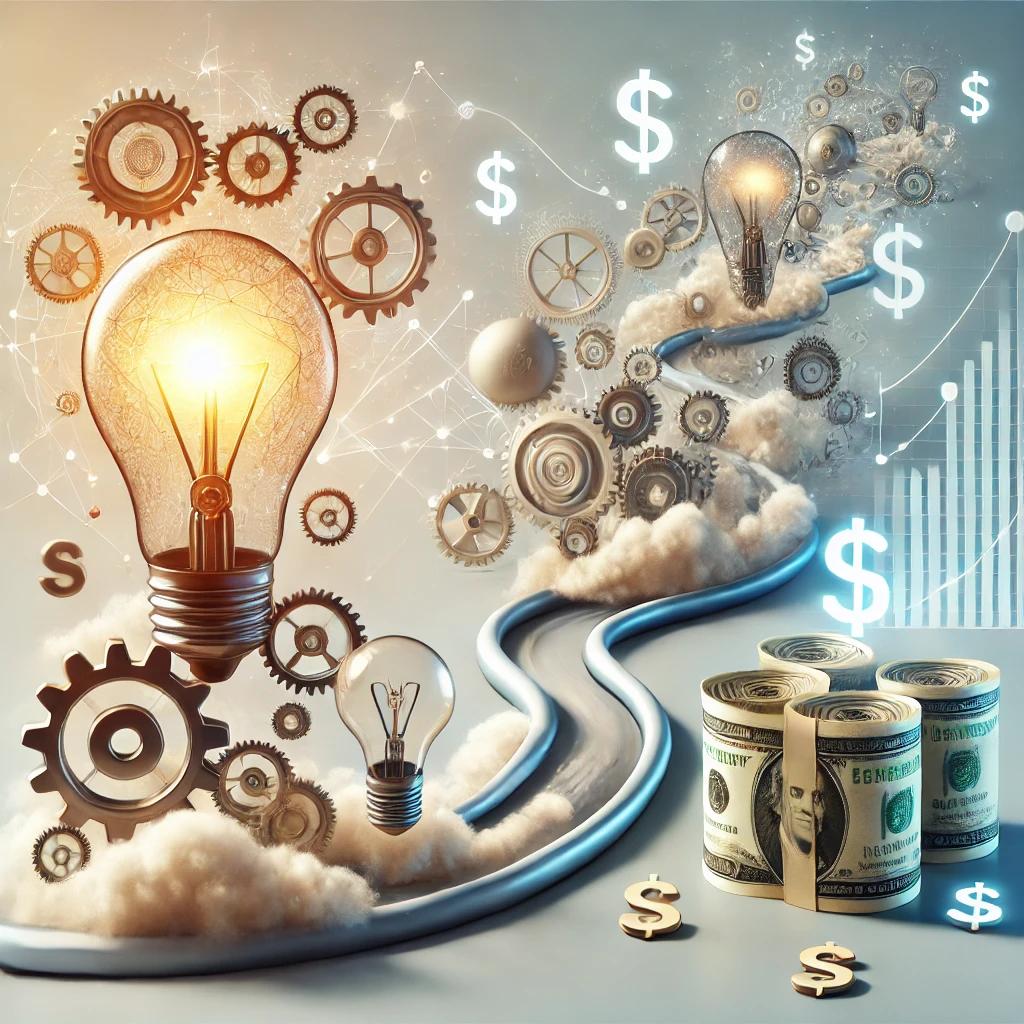
Tourism and creativity are often discussed separately but they shouldn’t be. A tourist doesn’t travel thousands of kilometres simply to sleep in a hotel. They travel because they want an experience and experiences are often created by creative people. The musician performing at a concert is part of the creative economy. So is the event designer, the photographer documenting it, the videographer producing the aftermovie, the fashion designer creating what attendees wear, the chef creating the food experience, the graphic designer producing promotional materials, the social media manager marketing the event, the content creator documenting the destination, the production company providing technical services, the comedian entertaining the audience even the local artisan selling products to visitors is participating in the wider economic chain.
This is why a successful tourism strategy can have a significant multiplier effect on creative businesses.
A Digital Calendar Could Change How People Discover Nigeria
One of the most practical elements of the initiative is its digital component. MyCityApp is expected to power the National Digital Events and Experiences Calendar, giving Nigerians, members of the diaspora and international visitors a central place to discover events and tourism experiences across the country.
That may sound like a simple technology feature, but discovery is a major problem in Nigeria’s event economy. There are countless concerts, festivals, exhibitions and experiences happening across the country that potential audiences simply don’t know about.
A central calendar could make those experiences easier to find. Imagine someone living in London planning a trip to Nigeria in November.
Instead of asking several friends:
“What’s happening when I arrive?”
they could potentially search a national platform and discover concerts, festivals, food experiences, cultural attractions and other activities happening during their visit.
That’s the kind of infrastructure that can turn scattered events into a tourism ecosystem.
And the Government Is Targeting a Much Bigger Economic Prize
The campaign comes with ambitious economic expectations. BusinessDay reports that the Federal Government is targeting a $100 billion tourism market through the campaign, while also linking the initiative to President Bola Tinubu’s broader $1 trillion economy ambition. The government has also set a target of more than 2 million jobs across tourism and creative industries.
These are ambitious targets, and they should be understood as government goals rather than money already generated by the campaign. But they demonstrate how seriously tourism and the creative economy are increasingly being positioned within Nigeria’s broader economic strategy.
The government is also working with the National Bureau of Statistics to improve measurement of tourism spending, while other plans include the rehabilitation of destinations such as Obudu Resort and Yankari Game Reserve, the development of Abuja Creative City and plans for thousands of cinema screens. That broader infrastructure matters.
You cannot build a serious tourism economy simply by telling people to visit. What you need are destinations worth visiting, transportation to get there, accommodation, security, entertainment, digital discovery and systems for measuring the economic impact.
What Does This Mean for Nigerian Creatives?
This is where the story becomes particularly interesting for creatives. If the programme works as intended, there could be more opportunities for creative businesses during the 100-day season.
Event planners could benefit from increased activity.
Photographers and videographers could secure more bookings.
Musicians and performers could find additional stages.
Designers could work with events, hotels and brands.
Content creators could produce destination and travel content.
Fashion entrepreneurs could sell to visitors.
Food businesses could create special experiences.
Tour operators could package cultural experiences.
And digital creators could become some of the people introducing visitors to places and experiences they didn’t previously know existed.
For upcoming creatives, this is a reminder that opportunity doesn’t always come from your immediate industry.
A photographer shouldn’t only think about photography jobs. They should think about tourism.
A content creator shouldn’t only think about brand deals. They could think about destination marketing.
A filmmaker shouldn’t only think about movies. They could create tourism documentaries and branded experiences.
A designer shouldn’t only think about logos. They could work with festivals, hotels, restaurants and tourism businesses.
The strongest opportunities often sit at the intersection of industries.
But the Real Test Will Be Execution
There is plenty to be excited about but a national campaign of this size also faces obvious challenges.
Can events across 36 states actually be organised into a useful and reliable calendar?
Can visitors easily travel between destinations?
Will smaller cities receive the same visibility as Lagos and Abuja?
Can security concerns be adequately addressed?
Will local businesses actually capture meaningful economic value?
Will the campaign continue beyond 2026?
And perhaps most importantly:
Can Nigeria turn a seasonal celebration into a sustainable tourism economy?
Those questions matter because Nigeria has no shortage of events.
What it needs is an ecosystem that allows those events to create lasting economic value.
The Opportunity Goes Beyond December
Perhaps the most important idea behind “Ember to Remember” is that Nigeria’s tourism opportunity shouldn’t begin and end with December.
Nigeria has hundreds of festivals, historic sites, cultural traditions, cuisines, creative communities and destinations that could attract visitors throughout the year.
The real success of the initiative, therefore, shouldn’t simply be measured by how many people attend concerts between September and December. It should be measured by whether Nigeria becomes better at packaging, marketing and monetizing its experiences.
If a successful 100-day campaign can eventually become a year-round tourism system, the impact could extend far beyond the festive season.
Wrapping Up
Nigeria already has something many countries spend billions trying to manufacture:
attention.
The world is increasingly interested in Nigerian music, fashion, film, food, culture and entertainment. The challenge is turning that attention into economic value.
“Ember to Remember” is an attempt to do exactly that by connecting the different pieces of Nigeria’s tourism and creative ecosystem into one national story.
For creatives, businesses and entrepreneurs, that creates an important opportunity.
Don’t just ask:
“What event can I attend?”
Ask:
“What can I build around the people, experiences and opportunities that this season brings?”
Because if Nigeria gets this right, the ember months could become more than a period of concerts and celebrations.
They could become a major economic season for Nigerian creativity. And perhaps the biggest opportunity isn’t simply getting more people to visit Nigeria.
It’s making sure that when they arrive, thousands of Nigerian creatives and businesses are positioned to benefit from their spending.
At GetCreativeMoney, we believe Africa’s creative economy will grow when creativity is connected to business, technology, tourism and opportunity. “Ember to Remember” could be an interesting test of exactly how powerful that connection can become.