D’Banj Pushes African Creative Economy, Takes C.R.E.A.M. Platform Global to Milken Institute
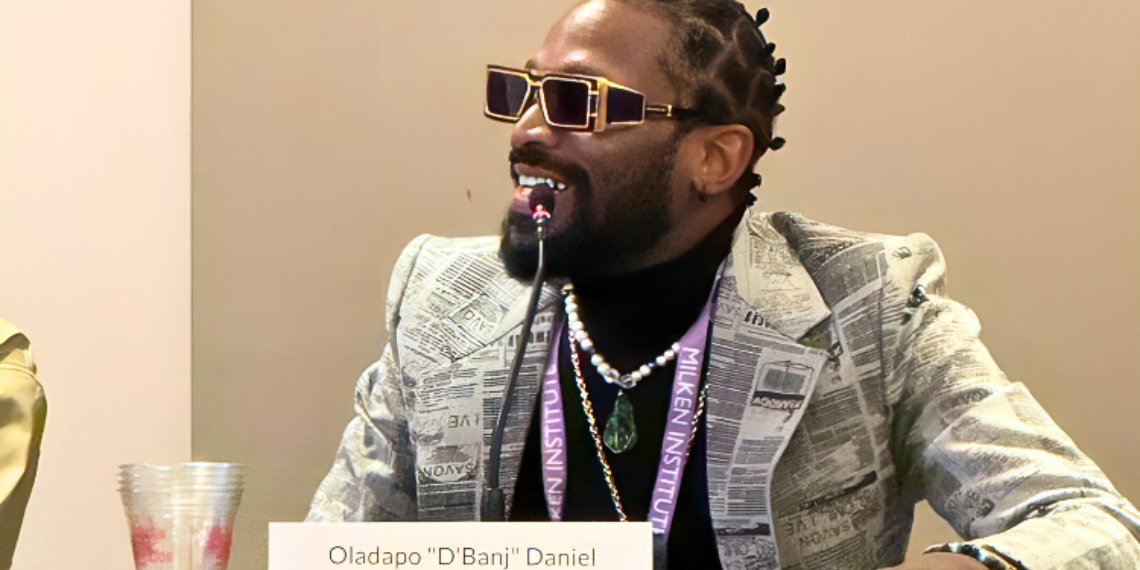
Nigerian music star and entrepreneur, D’banj, is expanding his role beyond entertainment into creative economy advocacy, using some of the world’s biggest investment and policy platforms to push the case for Africa’s cultural industries as serious economic infrastructure.
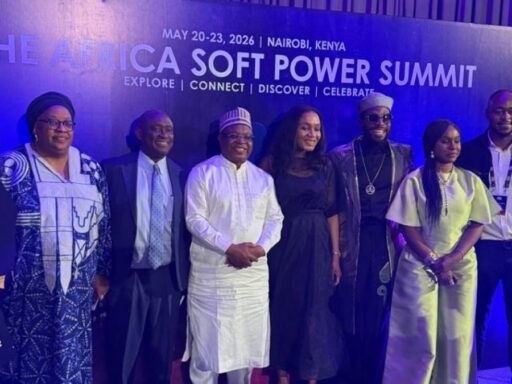
The Afrobeats star recently appeared at the 2026 Milken Institute Global Conference in Los Angeles, the Music Business Conference in Atlanta, and the Africa Soft Power Summit in Nairobi, where he spotlighted the future of African creativity, digital infrastructure, and creator financing.
At the center of those conversations was the unveiling of The C.R.E.A.M. Platform 3.0, a digital ecosystem designed to help African creatives access recording services, video production, content distribution, and funding opportunities.
The Afrobeats superstar’s message is: African creativity can no longer be treated only as entertainment. It is becoming an economic sector with global investment potential.
Cultural influence intersects with economic infrastructure
At the Milken Institute conference, D’Banj participated in a panel titled Culture is Capital: Investing in Africa’s Booming Creative Economy.
The session brought together key global industry figures including Aubrey Hruby, Nicholas Weinstock, Shain Shapiro, and Tunde Balogun.
Discussions focused on how Africa’s creative industries are evolving from soft power and cultural relevance into commercially scalable sectors capable of driving investment, employment, exports, and long-term economic growth.
That shift has become visible over the last few years. Afrobeats now dominates global music conversations. Nollywood continues expanding its international footprint. African fashion, digital content, dance, and internet culture are attracting unprecedented global attention.
Yet despite the visibility, one major challenge remains: infrastructure. Many African creatives still struggle with access to funding, distribution systems, production resources, and monetization architecture capable of supporting sustainable long-term growth.
That is the gap initiatives like The C.R.E.A.M. Platform are attempting to solve.
What exactly is The C.R.E.A.M. Platform 3.0?
The C.R.E.A.M. Platform (which stands for Creative Reality Entertainment Arts and Music) operates as a digital do-it-yourself (DIY) ecosystem that allows creatives to upload, distribute, and monetize content directly through web and USSD channels.
The idea is to reduce traditional industry gatekeeping while creating easier access to infrastructure and financing opportunities.
According to D’Banj, the platform is designed to help creatives move from raw talent into structured business growth.
Users can reportedly access opportunities tied to music distribution, video production, content monetization, talent development, funding support, and creative entrepreneurship pathways.
One of the platform’s biggest developments came after African Export-Import Bank acquired an equity stake in the platform through its creative sector subsidiary, CANEX Inc.
That partnership gives users potential access to CANEX’s $3 billion creative industry fund, significantly expanding the platform’s financing potential.
In a continent where funding remains one of the biggest barriers to creative industry growth, access to structured capital could become life-changing.
Why financing remains the biggest conversation in Africa’s creator economy
African entertainment, over the past few years, has produced global stars without building equally powerful financial systems around them.
The industry has often relied heavily on individual hustle, fragmented sponsorships, and informal monetization structures. But the economics of creativity are changing.
As global demand for African storytelling grows, conversations are shifting toward ownership, intellectual property, licensing, infrastructure, and scalable investment models.
That is why D’Banj’s positioning of C.R.E.A.M. matters. Rather than framing creativity only through celebrity culture, the platform places stronger emphasis on systems, distribution, and financing infrastructure.
A 2017 KPMG audit reportedly valued The C.R.E.A.M. Platform at $130 million, while some beneficiaries are already said to be accessing financing for projects beyond entertainment, including renewable energy and electric vehicle ventures.
The broader signal here is important: creators are gradually being viewed not simply as entertainers, but as entrepreneurs capable of building expandable businesses across multiple industries.
The rise of creator-led economic ecosystems
Across Africa, a growing number of artists, influencers, and media personalities are moving beyond traditional entertainment careers into ecosystem-building.
That evolution mirrors what has already happened in more mature creator economies globally. The next phase of Africa’s creative economy may therefore depend less on viral moments and more on sustainable systems capable of helping creatives do the following: own their intellectual property; access financing; scale distribution; build businesses; monetize audiences directly; and expand globally.
D’Banj’s recent global appearances position him within that broader movement of African entertainment figures attempting to bridge creativity with capital.
“Leveraging digital to maximize talents”
Speaking during the engagements, D’Banj emphasized the importance of digital systems in helping African talent scale globally.
“I am honored to continue bringing Nigeria to the world with like-minded people who support the creative economic growth of Africa, with The C.R.E.A.M. Platform at the epicenter of this movement,” he said.
“The feedback has been amazing, and I am encouraged that our message of leveraging digital to maximize talents is resonating across divides,” he added.
His comments reflect a wider reality shaping Africa’s entertainment industry today: talent alone is no longer enough. The future belongs to creators and platforms capable of combining culture, technology, ownership, and capital at scale.