
Stakeholders across Africa’s creative industry are pushing for a more structured and collaborative approach to growing the continent’s creative economy.
At Craft Addis 2026 in Addis Ababa on Saturday, industry leaders outlined what they described as a practical blueprint for building globally competitive pan-African creative businesses with conversations focused not just on talent, but on infrastructure, systems, monetization, and long-term sustainability.
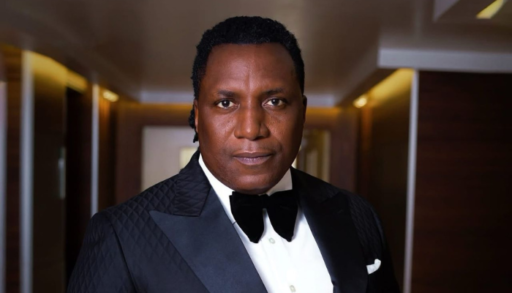
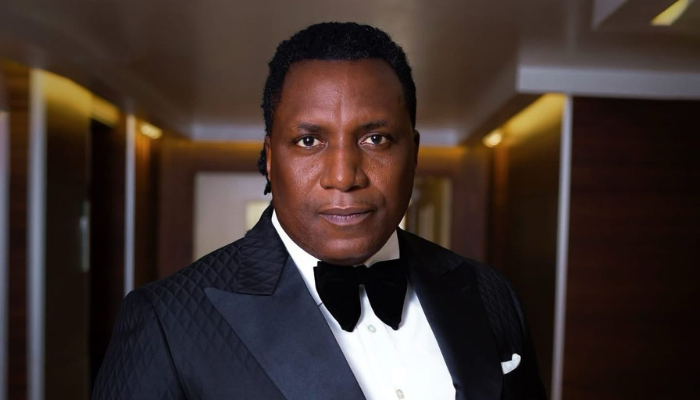
Among the speakers was Steve Babaeko, founder and CEO of X3M Ideas, who joined other global industry leaders to discuss the future of Africa’s creative economy and the structural shifts required for real growth.
Africa’s Biggest Creative Challenge May Not Be Talent
Speaking during the panel session, Babaeko argued that Africa’s creative limitation is not creativity itself, but the systems surrounding it.
He noted that the continent already possesses immense creative potential through storytelling, music, design, fashion, film, and cultural expression.
However, the infrastructure required to support scalable growth remains underdeveloped.
He identified gaps in production systems, distribution channels, intellectual property protection, payment infrastructure, and cross-border operational frameworks as some of the biggest obstacles preventing African creatives from scaling globally.
This reflects a growing conversation within the creative economy: talent alone is no longer enough without systems capable of sustaining it.
Why Structure is Becoming More Important Than Visibility
One of the strongest themes from the discussion was the importance of structure. Much of the conversation around Africa’s creative industry over the past years focused heavily on visibility and recognition.
But industry leaders are gradually shifting attention toward operational systems, governance, monetization models, scalability, and ecosystem development.
Babaeko further emphasized that creative businesses must first establish strong foundations within their home markets before attempting continental expansion while stating that sustainable growth requires depth before scale.
This signals a broader shift in how African creative businesses are beginning to think: less about short-term exposure and more about long-term infrastructure.
The Push for a Stronger Pan-African Creative Economy
The conversation also highlighted the role the African Continental Free Trade Area (AfCFTA) could play in accelerating cross-border collaboration across Africa’s creative industries.
If effectively implemented, the framework could improve various aspects including movement of talent, creative partnerships, cross-border investment, intellectual property exchange, and access to wider African markets.
However, stakeholders stressed that policy alone is not enough and that execution remains critical. Without operational systems and coordinated implementation, many of the opportunities attached to pan-African creative expansion may remain underutilized.
Why Funding Alone Will Not Solve the Problem
Another major point raised during the session was the role of funding within Africa’s creative ecosystem. While access to capital remains important, Babaeko suggested that investment without structure may not lead to sustainable outcomes.
He encouraged founders and creative entrepreneurs to balance resilience, operational discipline, strategic investment with long-term business planning, reflecting a growing understanding that creative businesses need more than financial support alone.
They also require, in fact, systems, processes, governance, and sustainable monetization models. In many ways, the future of Africa’s creative economy may depend not just on creative talent, but on how effectively creatives learn to grow a creative business with scalability in mind.
Narrative Ownership is Becoming a Strategic Asset
A key theme throughout the discussion was Africa’s need to control its own narrative globally. Babaeko described African stories, traditions, and cultural identity as strategic assets capable of shaping global relevance and influence.
As African music, fashion, film, and digital culture continue gaining international recognition, ownership of storytelling is becoming increasingly important — not just culturally, but economically.
This is particularly significant in today’s digital landscape, where creators are learning how to turn their creativity into income through global platforms, audience communities, and direct distribution systems.
The ability to own both narrative and infrastructure may become one of the defining factors of Africa’s next creative growth phase.
The Next Phase of Growth Will Demand More Discipline
Looking ahead, Babaeko warned that the next stage of Africa’s creative expansion will require more than ambition alone. He pointed out that creative businesses will need to develop more intentionality towards adopting technology, building scalable systems, improving operational efficiency, and competing at global standards.
He stressed that the next 12 to 24 months could be critical for founders hoping to position themselves competitively within the global creative economy.
This shows a larger evolution already happening across Africa’s creator landscape, where creatives are beginning to operate not only as artists, but also as founders, operators, and ecosystem builders.
Why This Conversation Matters
The discussions at Craft Addis 2026 highlight an important transition point for Africa’s creative industries. For years, the continent’s creative potential has been widely acknowledged. The challenge now is execution.
Industry leaders are now recognizing that Africa’s next phase of creative growth will depend on infrastructure, collaboration, policy implementation, technology adoption, and ecosystem development rather than talent alone.
And as global attention on Africa’s creative economy continues to grow, the urgency to move from conversation to coordinated action is becoming harder to ignore.
The Road to Infrastructure from Potential
Speaking after the session, Babaeko emphasized the need to move beyond discussions about possibility.
“We have had enough conversations about potential,” he said. “The time now is to build. Structure. Scale. And most importantly, believe enough in our own stories to take them to the world.”
That statement captures the broader direction Africa’s creative economy now appears to be moving toward: infrastructure in addition to recognition, sustainability beyond talent, and systems capable of supporting the industry at scale.