FG Unveils Framework to Turn Creative Intellectual Property Into Bankable Assets
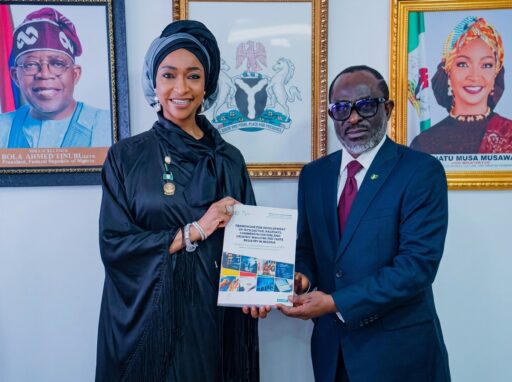
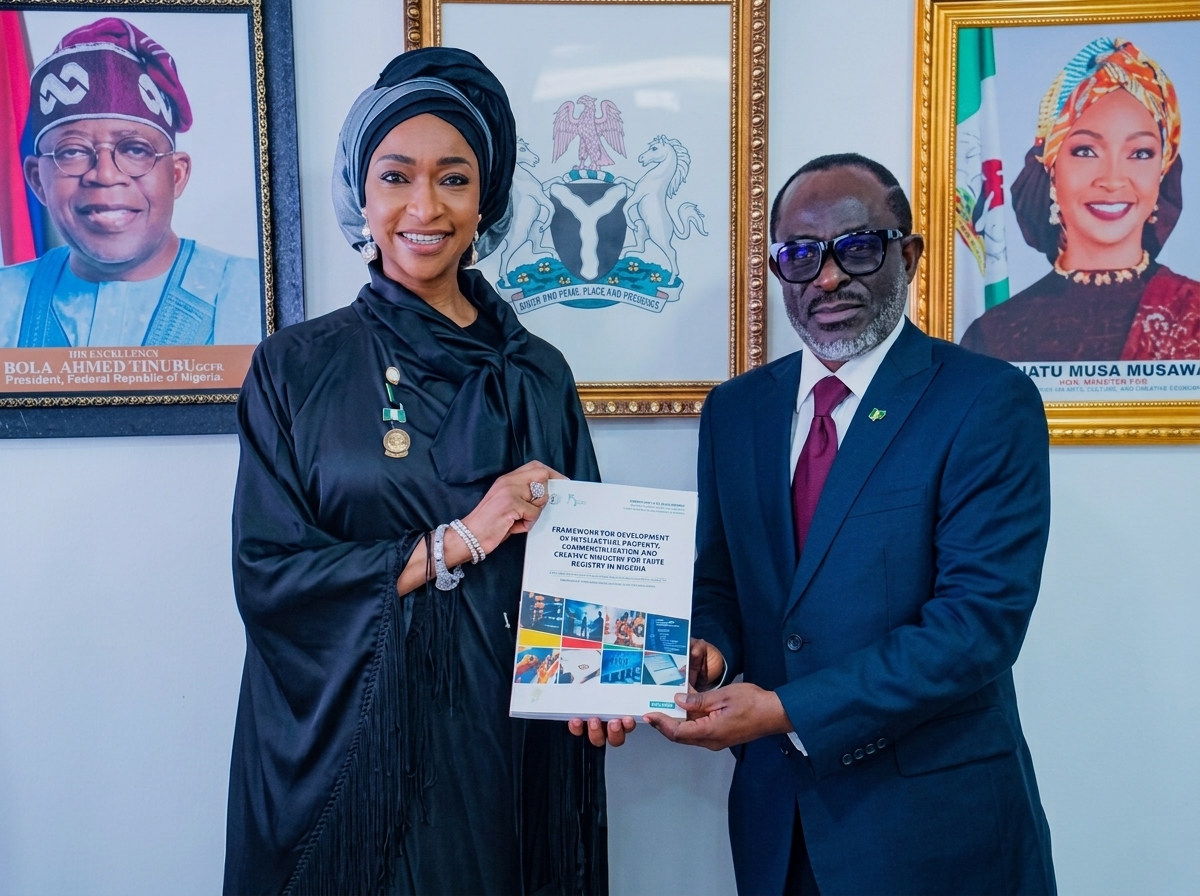
The Federal Government has taken a significant step toward unlocking the true economic value of Nigeria’s creative sector. A new comprehensive framework designed to turn intellectual property into bankable financial assets was recently presented to the Minister of Art, Culture, Tourism and the Creative Economy, Hannatu Musa Musawa.
Titled the Comprehensive Framework for the Development of Intellectual Property Commercialization and Securitization for the Creative Industry in Nigeria, the document provides a clear roadmap for converting copyrights, trademarks, patents and other intangible assets into financeable instruments.
Creative Intellectual Property Into Bankable Assets
The Development of The Framework
The framework was developed by L&A Legal in collaboration with key stakeholders under the Federal Ministry of Art, Culture, Tourism and the Creative Economy’s partnership with Afreximbank. The project specifically focuses on improving intellectual property protection and monetization in Nigeria.
It is the first of its kind in the country. Until now, many creators and creative businesses have struggled to use their intellectual property as collateral or as a basis for raising capital. The new framework aims to change that by establishing practical pathways for commercialization and securitization.
The Essence of the Initiative
Within the creative economy, one of the most valuable assets majority of the players recognize is Intellectual Property. The ministry has described unlocking its commercial value as central to its vision for sustainable growth.
By enabling creators and businesses to leverage their IP, the expectation of the framework is that it opens up new opportunities for investment, financing, enterprise development and wealth creation across music, film, fashion, design, literature and other creative fields. It also forms part of broader efforts to strengthen Nigeria’s overall intellectual property ecosystem and enhance protection for creators.
What It Means for Creators and the Economy
The initiative aligns with the Renewed Hope Agenda’s focus on economic diversification. Positioning the creative industry as a key growth driver requires more than talent and visibility — it requires systems that allow intellectual property to function as real financial assets.
Creators, investors and financial institutions now have a structured foundation to work with. As the framework moves from presentation into implementation, the expectation is the creation of clearer routes for funding and commercial partnerships within the sector.
By treating creative intellectual property as bankable assets, Nigeria is taking a practical step toward turning cultural strength into lasting economic opportunity.