Lagos Invests Billions into Creative Economy as State Backs Over 200 Entertainment and Tourism Events
The Lagos State Government says it has invested several billion naira into the creative, entertainment, and tourism industry within the last year, a move that further signals the growing importance of the sector to the state’s economic ambitions and Nigeria’s wider creative economy.
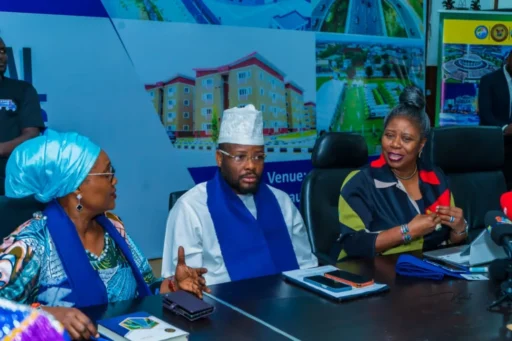
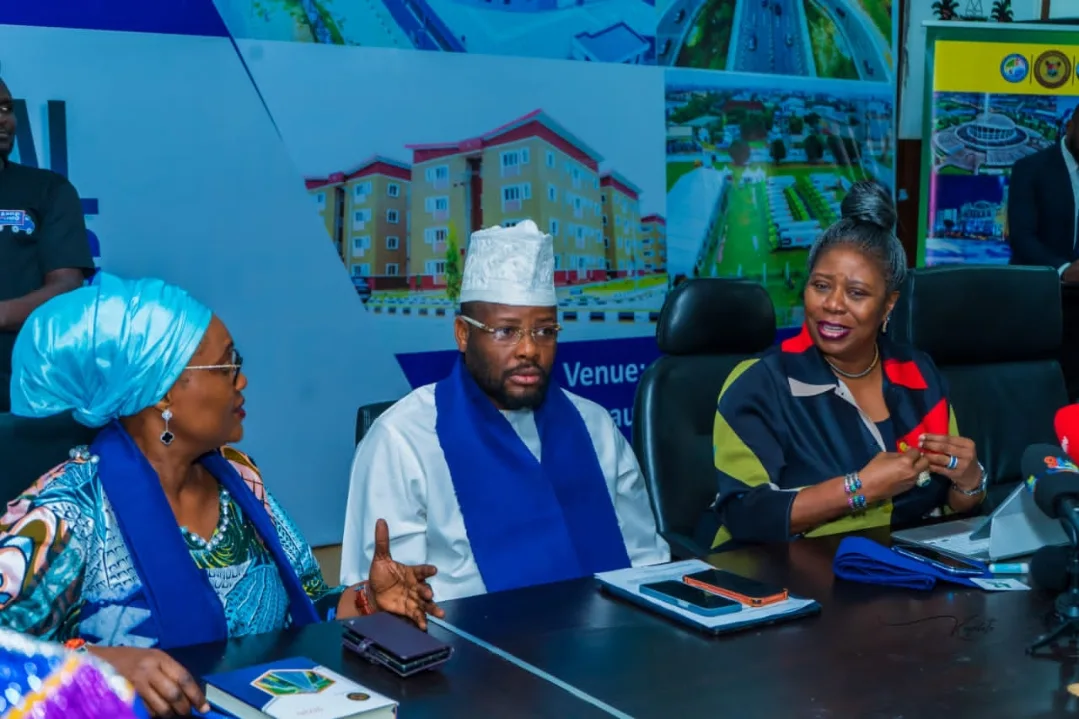
The disclosure was made by the Lagos State Commissioner for Tourism, Arts and Culture, Toke Benson-Awoyinka, during the ongoing ministerial press briefing commemorating the seventh year of Governor Babajide Sanwo-Olu’s administration.
According to Benson-Awoyinka, the ministry supported 201 events, festivals, and creative programs within the review period, representing a major increase from the 143 initiatives backed in the previous year.
While the announcement may appear like another government update on tourism and culture, the numbers point to something much bigger: Lagos is steadily institutionalizing the creative economy as a core economic growth strategy.
Lagos is doubling down on the business of creativity
Over the past decade, Lagos has organically evolved into the commercial heartbeat of Nigeria’s entertainment and cultural industries.
From Afrobeats and Nollywood to fashion, nightlife, food culture, comedy, art, influencer marketing, and digital media, the city has become the center of cultural production in Nigeria and one of Africa’s most commercially active creative hubs.
But as the industry has grown, one recurring challenge has remained clear: infrastructure and institutional support have not expanded at the same pace as talent and global demand.
The state government’s investment spans concerts, festivals, film-related events, cultural showcases, tourism activations, and creative programs that collectively sustain thousands of jobs across production, media, hospitality, logistics, fashion, food, security, transportation, marketing, and digital services.
For a creative economy that still operates heavily through fragmented private efforts, consistent public sector backing could significantly strengthen long-term growth.
What this means for Nigeria’s creative economy
Nigeria’s creative economy has significantly become one of the country’s strongest soft power exports.
Afrobeats now dominates global music conversations. Nollywood remains one of the world’s largest film industries by volume. Nigerian fashion, food, dance, and internet culture continue shaping African pop culture globally.
Yet despite the visibility, monetization and structure remain major issues.
Many creatives still struggle with funding access, scalable infrastructure, event financing, venue costs, distribution systems, intellectual property protection, and sustainable income models.
This is where government-backed investment becomes important.
By sponsoring more events and investing directly into the ecosystem, Lagos is effectively stimulating economic activity within the creative value chain.
Every major event supported creates opportunities not just for performers, but for videographers, photographers, stage designers, editors, writers, marketers, event planners, sound engineers, designers, hospitality workers, and small businesses operating around the entertainment ecosystem.
The ripple effect across employment and commerce is significant.
For Creative Money Africa, this reflects a broader evolution in how African governments are beginning to understand creativity — not simply as culture or leisure, but as economic infrastructure.
The rise of Lagos as Africa’s creative capital
Lagos has spent years building an identity around culture, entertainment, nightlife, and youth energy. Today, that positioning is becoming increasingly valuable.
As global interest in African storytelling, music, and fashion continues to rise, cities are now competing for cultural influence, tourism attention, investor confidence, and creative talent.
Dubai built itself around tourism and infrastructure. Seoul leveraged entertainment and cultural exports through K-pop and Korean cinema. Lagos is progressively attempting to build its own version through African creativity.
The state’s growing support for festivals, tourism activations, and entertainment programming appears aligned with that larger ambition.
Recent years have seen Lagos intensify investments around destination branding, creative tourism, entertainment partnerships, and global-facing cultural events aimed at positioning the city as a serious international creative destination.
And while challenges around infrastructure, transportation, security, and urban planning still remain, the direction of travel is becoming clearer: Lagos wants to own the business of African culture.
Why public investment matters now more than ever
Across the world, thriving creative economies are rarely built by talent alone. They are built through systems. That includes government policy, event infrastructure, transportation, tourism planning, grants, funding support, education, production facilities, legal protection, and strategic partnerships between public and private sectors.
For years, Nigeria’s entertainment industry largely grew despite limited institutional support. Now, there appears to be increasing recognition that the sector’s next stage of growth will require more intentional investment.
The billions reportedly committed by Lagos State may only represent one part of that transition, but it signals something important: the creative economy is no longer being treated as a side conversation. It is being positioned as a legitimate economic pillar capable of generating jobs, attracting tourism, driving exports, and reshaping Africa’s global cultural influence.
And in that conversation, Lagos clearly intends to stay ahead.