AOCA Project Support 2026: Eligibility and Deadline
AOCA Project Support 2026: African Cultural Organizations Can Apply Before October 30
African cultural organizations developing creative projects or planning events with an international dimension have until October 30, 2026, to apply to the AOCA program, an Institut français initiative supporting cultural operators on the African continent.
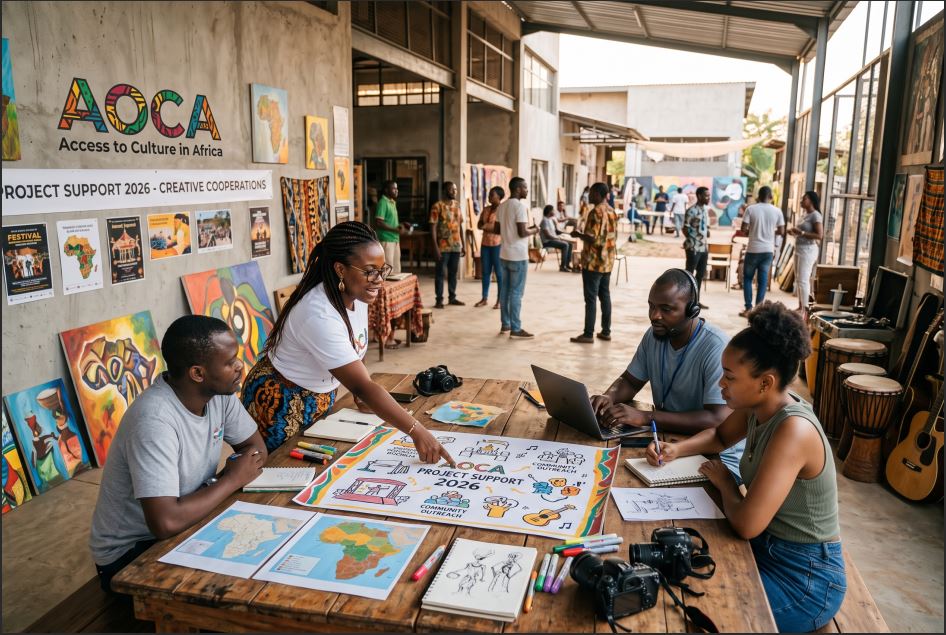
AOCA (Appui aux opérateurs culturels en Afrique) supports creative and dissemination projects, as well as cultural events taking place in Africa. Its stated purpose is to strengthen cultural ecosystems and encourage international cooperation, including collaboration between African artists and cultural operators, the French cultural network and French cultural actors.
For organizations planning exhibitions, performances, tours or other cultural initiatives, the call may be relevant—but applicants should first check whether their organization and project fit the program’s requirements.
What does AOCA support?
The current call covers projects in areas including:
Visual arts and photography
Digital creation
Performing arts and music
The program is intended to support cultural activity taking place on the African continent and strengthen international connections around that work.
This makes it worth exploring for organizations whose projects combine artistic production with public engagement, cultural exchange or opportunities to share work with new audiences. The program’s official description also highlights projects that build relationships between African artists and cultural institutions or partners.
Applicants should consult the official call for the specific support conditions, eligible costs, application requirements and assessment criteria. The program’s overview does not mean every project in these disciplines will automatically qualify.
Who can apply?
The official program page identifies several eligible applicant groups, including:
African cultural institutions and organizations based in Africa undertaking creative or outreach projects, or organizing events with an international scope in Africa.
Members of the French cultural network abroad, including cultural services of embassies, Instituts français, Alliances Françaises and binational cultural centres.
The call is therefore not simply an individual artist’s personal funding application. Independent artists may need to explore whether their project can be submitted through an eligible cultural organization or whether another eligible route applies under the detailed guidelines.
Before preparing an application, organizations should confirm their status, the project’s location and scope, and any partnership conditions set out in the official documentation.
What kinds of projects may be a good fit?
AOCA’s stated priorities point to several characteristics that organizations may want to consider when shaping a proposal.
International collaboration
Projects that create meaningful links between African artists, cultural operators and international partners align with the program’s focus on cooperation. Applicants should explain what the collaboration will involve, who will participate and what each partner contributes.
Environmental responsibility
The program encourages an eco-responsible approach to implementation. For touring projects, it specifically points to allowing sufficient time at each stop. For example, combining performances with meet-and-greet sessions, workshops or training rather than treating each stop as a brief appearance.
Applicants can explain how their plans account for the practical and environmental effects of delivering the project.
Gender equality and inclusion
AOCA also highlights gender-sensitive projects. Examples include initiatives led by women working in the cultural sector, projects showcasing women artists, or activities promoting gender diversity and equality.
Organizations should describe how these priorities are reflected in the actual project design, participants and planned activities, rather than relying on general statements about inclusion.
These are useful signals of the program’s priorities, not a guarantee that a project will be selected.
How should applicants prepare?
A clear project proposal should make it easy for reviewers to understand what the organization wants to do, why it matters and how the delivery will be.
Before submitting, organizations should be ready to explain:
The project’s purpose: What cultural or creative need does it address?
The activities: Will it involve production, public programming, performances, exhibitions, workshops or touring?
The partners: Which artists, cultural organizations or international collaborators are involved?
The audience and reach: Who will participate or benefit, and where will activities take place?
The implementation plan: What is the timeline, and how will the project be managed?
The program fit: How does the proposal respond to AOCA’s focus on international cooperation and, where relevant, environmental responsibility and gender equality?
Applicants should use the official guidelines to confirm the required documents and budget format. They should also ensure that the proposal reflects their own project and organization; the program’s guidance allows the use of AI tools to improve drafting and presentation, but applicants remain responsible for the originality and identity of their applications.
What is the deadline?
The current AOCA call is open from July 1 to October 30, 2026. Application submissions are to go through the official program page before the deadline.
Because eligibility and funding conditions can be decisive, organizations should not rely on summaries alone. Read the complete call before investing time in an application.
Many cultural projects need more than artistic talent to reach an audience. They require partnerships, planning, outreach and the ability to move work across communities and borders.
AOCA’s emphasis on creative projects and international cooperation makes it a program worth investigating for eligible African cultural organizations with a well-defined project. The next step is to check the official conditions, assess the fit honestly and prepare a proposal that explains both the creative idea and the plan for delivering it.