Africa Is Winning the Culture War. But Who Is Making the Money?
Africa’s music, film, fashion and creative talent are commanding global attention. The continent’s next challenge is building the infrastructure to capture its value.
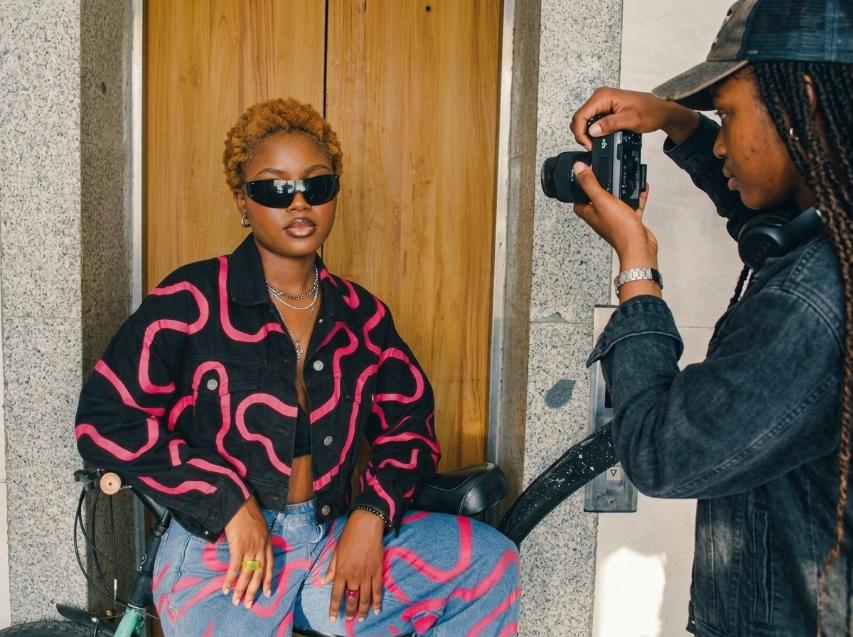
African has never been this culturally visible, or commercially sought after on the global stage. African content, slang, dance, aesthetics, food and storytelling increasingly influence popular culture far beyond the continent.
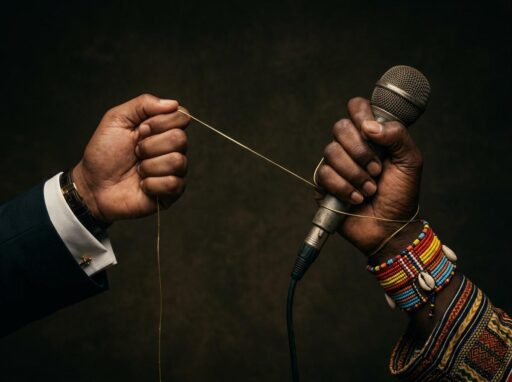
Afrobeats has become a global phenomenon. Nollywood has built one of the world’s most prolific film industries. African designers are increasingly visible on international runways. Something extraordinary is happening. But there is a question we are not asking loudly enough: Who is capturing the economic value of all this cultural influence? Because cultural visibility and economic prosperity are not the same thing. Going viral is not the same as building wealth. Having millions of streams is not necessarily the same as owning valuable intellectual property. And exporting culture is not necessarily the same as building a thriving and sustainable creative economy.
That distinction may become one of the most important economic conversations Africa needs to have.
The Talent is There. Now We Need to Build the Structure.
For years, conversations about Africa’s creative economy have centred around talent.
How do we discover more talent? How do we train creatives? How do we give young people opportunities?
These are important questions.But I believe we are reaching a point where another question is becoming even more urgent: What happens after the talent emerges? Who finances it? Who owns the intellectual property? Who distributes it? Who controls the platforms? Who collects the royalties? Who owns the audience data? Who provides the business infrastructure? Who scales the businesses? And ultimately, where does the money go?
We need record labels, production companies, studios, publishers, agencies, management companies, fashion houses, gaming companies, animation studios, distribution businesses, creative-tech companies and intellectual-property businesses capable of scaling beyond individual personalities.
From Creative Talent to Creative Capital
This is where Africa’s creative-economy conversation needs to evolve. We should stop seeing creativity simply as cultural expression and begin treating it as productive economic capital. A song is not merely entertainment. It is intellectual property. A film is not simply a story. It can become a catalogue asset with multiple distribution windows and licensing opportunities. An audience can become a distribution network. A creator’s reputation can become commercial influence. An idea can become an asset capable of producing income repeatedly.
The countries and companies that understand this distinction do not simply produce culture. They build industries around culture. Disney did not become Disney simply because it could make films. It built an enormous commercial ecosystem around intellectual property.
The Korean entertainment phenomenon was not created solely by talented musicians and filmmakers. Behind the cultural exports are investment, training systems, entertainment companies, technology, distribution, government support and deliberate export strategy.
Africa has extraordinary creative raw material. Our challenge is converting that raw material into assets, enterprises and ultimately wealth.
The Missing Middle
There is an enormous space between having talent and building a commercially sustainable creative enterprise.
That space is what I call the missing middle of Africa’s creative economy. It includes financing, distribution, intellectual-property management, business education, market intelligence, data, technology, management, legal infrastructure, professional services, marketing, export infrastructure and institutions capable of helping creative businesses grow.
Too many African creatives are forced to become an entire ecosystem by themselves. The musician is simultaneously the artist, promoter, social-media manager, distributor and sometimes financier. The filmmaker is trying to raise money, produce, distribute and market the film. The fashion designer is designing, manufacturing, selling, managing Instagram and chasing payments. This may be entrepreneurial resilience, but a difficult way to scale. A functioning economy develops specialists and institutions around its productive talent. The creative economy should be no different.
We Need Creative-Economy Finance
One of the biggest gaps is capital. Traditional financial institutions are largely designed to finance businesses with assets they understand: property, machinery, inventory and predictable cash flows. Creative businesses often look different. How does a bank value a music catalogue? Can intellectual property become collateral? How do investors value a creator business whose most important asset is an audience? How do we finance a filmmaker whose economic opportunity may extend across cinema, streaming, licensing and international distribution? These are not fringe questions anymore. They are serious finance and investment questions.
Africa needs banks, investment funds, fintech companies and specialist financiers that understand creative businesses. We need financing models built around royalties, intellectual property, receivables, distribution contracts and creative assets.
Ownership Must Become Part of the Conversation
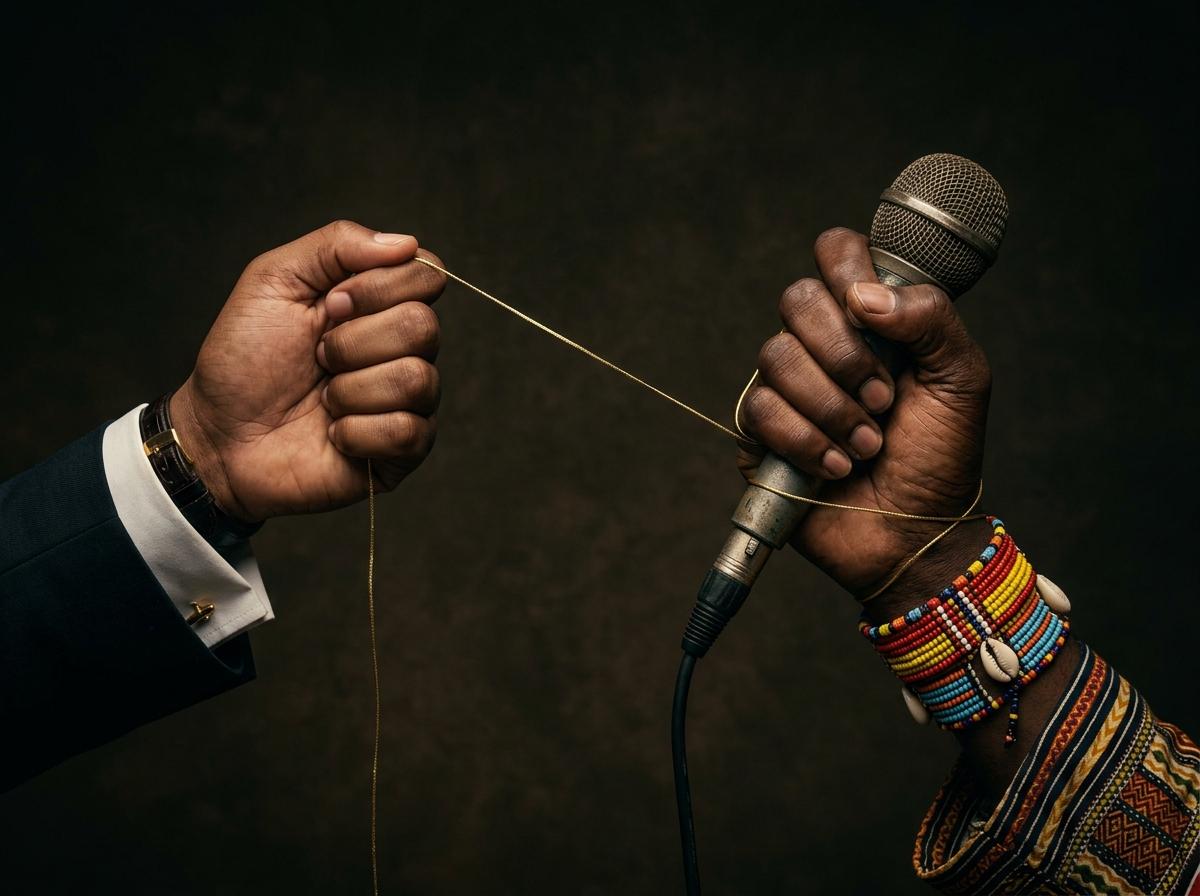
There is another issue that may prove even more important than financing: ownership. If African culture becomes increasingly valuable globally while the infrastructure through which that culture is monetized is largely owned elsewhere, Africa risks becoming an exporter of creative raw materials.
We have seen versions of this story before. Africa produces valuable commodities. Someone else processes them. Someone else controls distribution. Someone else owns the customer relationship. And someone else captures a disproportionate share of the margin. We should be careful not to reproduce that model with creativity.
The raw material may no longer be cocoa, crude oil or minerals. It may be music, stories, fashion, images, characters and attention. That does not mean Africa must own every global platform its creators use. Global platforms have dramatically expanded the reach of African culture and created opportunities that did not previously exist. The issue is leverage.
African creators and businesses must understand the economics of the platforms they use while simultaneously building stronger African capabilities in distribution, payments, rights management, data and audience ownership. Otherwise, we risk becoming extraordinarily influential culturally while remaining disproportionately weak economically.
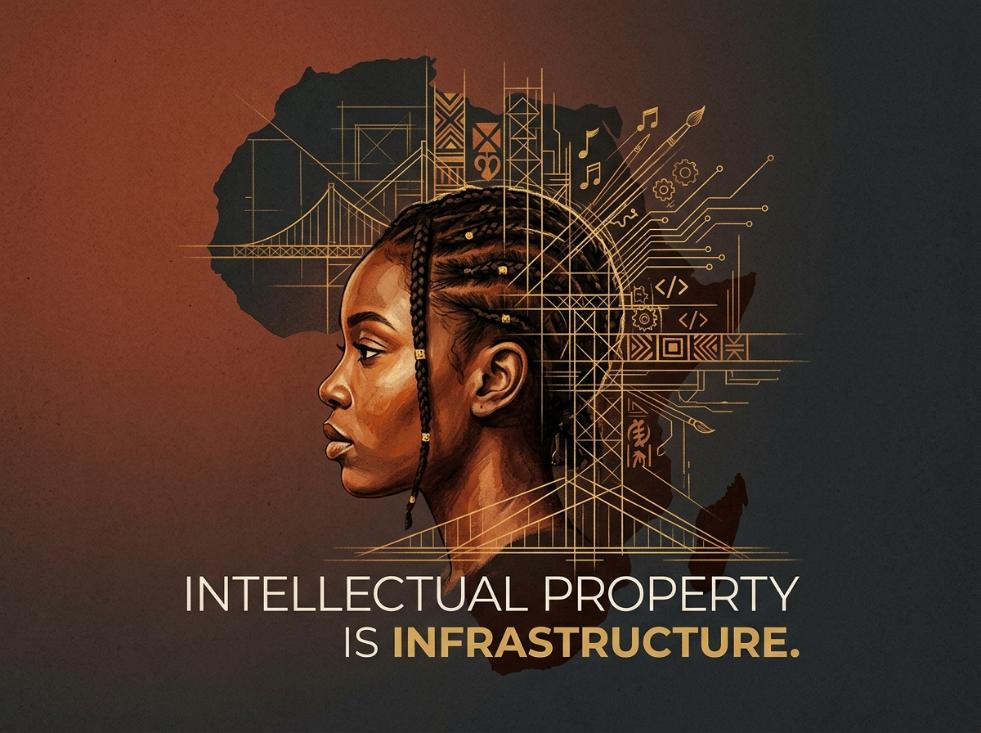
Intellectual Property Is Infrastructure
We also need to stop treating intellectual property as an administrative issue that comes after creativity.
IP is economic infrastructure. The ability to establish ownership, license work, collect royalties, enforce rights and commercialise creative assets determines whether creativity becomes wealth. Without effective rights infrastructure, creative economies leak value.
Creators need to understand what they own. Businesses need proper contracts. Collecting and licensing systems need to work. Rights data needs to improve. And our legal and regulatory frameworks must keep pace with digital distribution, artificial intelligence and increasingly borderless creative markets.
The question should no longer simply be: “How much did this song make?” We should also ask: “Who owns the song, and how long can that asset continue making money?”
That shift in thinking changes everything.
Data Matters More Than We Think
There is another less glamorous but critical piece of infrastructure: data. How large is Africa’s creative economy? How much revenue does it generate? How many people does it employ? Where are the fastest-growing subsectors? How much money flows through music, fashion, film, gaming, advertising, design, photography and the creator economy? Where does that money go?
Investors allocate capital based on information. Governments design policy based on information. Businesses make decisions based on information.
Industries that cannot adequately measure themselves struggle to attract serious capital.
Africa therefore needs better creative-economy data, research and market intelligence.
What gets measured becomes easier to understand. What becomes understood becomes easier to finance.
Government Has a Role – But Cannot Build It Alone
There is understandably growing interest from African governments in the creative economy.
That is positive. But government intervention should go beyond festivals, grants and cultural promotion.
The bigger opportunity is creating an enabling environment. That means stronger intellectual-property systems, better access to finance, creative-enterprise incentives, production infrastructure, export support, skills development, reliable digital infrastructure, cross-border trade frameworks and policies that make it easier to build scalable creative businesses.
The Private Sector Should Pay Attention
Africa’s banks, telecommunications companies, technology businesses, investors and major corporations should also recognize what is happening. The creative economy is not simply a sponsorship opportunity. It is a business opportunity.
Creative entrepreneurs need payments, credit, connectivity, insurance, software, distribution, business services, workspaces, equipment, data, marketing and investment. The companies that build products around these needs could participate in the growth of an entirely new generation of African businesses.
Instead of asking only, “Which concert should we sponsor?” a bank might ask: “What would a financial product designed specifically for creative businesses look like?” A telecommunications company might ask: “What infrastructure can we build that helps millions of creators distribute and monetize content?”
An investor might ask: “Where are the scalable businesses behind Africa’s cultural boom?”
Those are much bigger questions.
From Visibility to Value
Africa’s creative revolution has already achieved something remarkable. It has changed how the world sees Africa.
A generation of musicians, filmmakers, designers, photographers, writers, comedians and digital creators has built cultural influence without waiting for anyone’s permission. But the next phase must be different.
The first phase was about visibility. The next phase must be about value. We must move from talent to enterprise; from content to intellectual property; from audiences to markets; from popularity to profitability; from individual success stories to institutions; and from cultural influence to economic power.
This requires creators who understand business. But it also requires something bigger than creators. It requires financiers who understand creativity; lawyers who understand intellectual property; investors who understand creative businesses; technology companies building infrastructure; researchers producing credible data; governments creating enabling policy; platforms improving distribution and monetization; and platforms like Creative Money Africa that connect all of these pieces.
The opportunity before us is to build the machinery that allows creativity to become capital. Because ultimately, the success of Africa’s creative economy should not be measured simply by how loudly the world applauds our culture. It should also be measured by how much of the wealth created by that culture remains in the hands of the Africans who created it.
That is the next frontier…and that is where the real creative money is.
About the author
Ekpedeme Ufot is a brand strategist, entrepreneur and Founder of Creative Money Africa, a Pan-African platform focused on helping African creatives turn talent into sustainable careers and businesses. With nearly two decades of experience across marketing, media, strategy and innovation, his work sits at the intersection of creativity, commerce and technology. He is also the CEO of Adspots Digital Solutions, an adtech and marketing solutions company.