Lagos Games Week 2026 Highlights Nigeria’s Potential in the Global Gaming Market
Nigeria’s video game industry is gaining global attention, but experts say talent alone will not be enough to transform the sector into a major economic force. Industry leaders are calling for stronger investment, better collaboration, supportive policies and improved business development to help Nigeria unlock the enormous opportunities within the global gaming market. The conversation took centre stage at Lagos Games Week 2026, where developers, investors, policymakers, educators and international partners gathered to discuss the future of game development in Africa.
The two-day event brought together key players from Nigeria’s creative and technology sectors to examine how local developers can move beyond producing impressive prototypes and begin building sustainable gaming businesses capable of competing on the international stage. Participants agreed that while Nigerian developers possess exceptional technical talent, the industry still lacks many of the structures needed to support long-term commercial success.
Speaking during the event, Lagos Games Week convener Bukola Akingbade described the gaming industry as one of the world’s fastest-growing entertainment sectors, yet Africa continues to account for only a small share of the global market. She explained that Nigeria has a unique opportunity to create original intellectual property, generate thousands of high-value jobs and export African stories through video games if the right ecosystem is developed.
According to Akingbade, the industry’s future depends not only on producing talented developers but also on helping studios become successful businesses. She stressed that investment, mentorship, publishing support and access to international markets are just as important as coding and game design skills. Without these critical building blocks, many promising projects struggle to grow beyond the development stage.
Throughout Lagos Games Week, discussions focused on the practical challenges facing game developers in Nigeria. Experts explored topics including commercialisation, game publishing, monetisation strategies, digital marketing, esports, community building and international partnerships. They noted that many local studios produce quality games but often lack the financial backing and business expertise needed to scale globally.
The event also served as an important networking platform, connecting Nigerian developers with global publishers, investors and technology companies. Organisers believe these relationships are essential for helping local studios secure funding, reach new audiences and build internationally recognised gaming brands capable of competing with established developers from other regions.
Representatives of the French Embassy in Nigeria reaffirmed their commitment to supporting creative and technological partnerships between France and Nigeria. They noted that international collaboration can provide valuable opportunities for knowledge sharing, investment and market access while helping Nigerian developers showcase their creativity on a much larger stage.
Founder of Maliyo Games, Hugo Obi, highlighted another important issue facing the industry. While acknowledging the abundance of technical talent across Nigeria, he argued that collaboration will determine the industry’s long-term success. According to him, developers, artists, investors, educators and business professionals must work together to create an environment where innovation can flourish and gaming companies can thrive.
Obi explained that the future of Nigeria’s gaming industry belongs to communities rather than individuals. Building successful studios requires teamwork, strategic partnerships and a willingness to share knowledge across the ecosystem. He encouraged stakeholders to focus on creating sustainable businesses instead of isolated success stories.
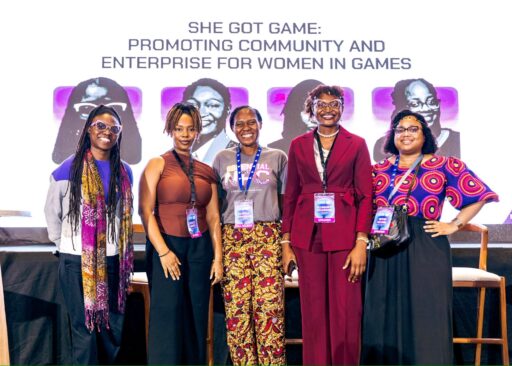
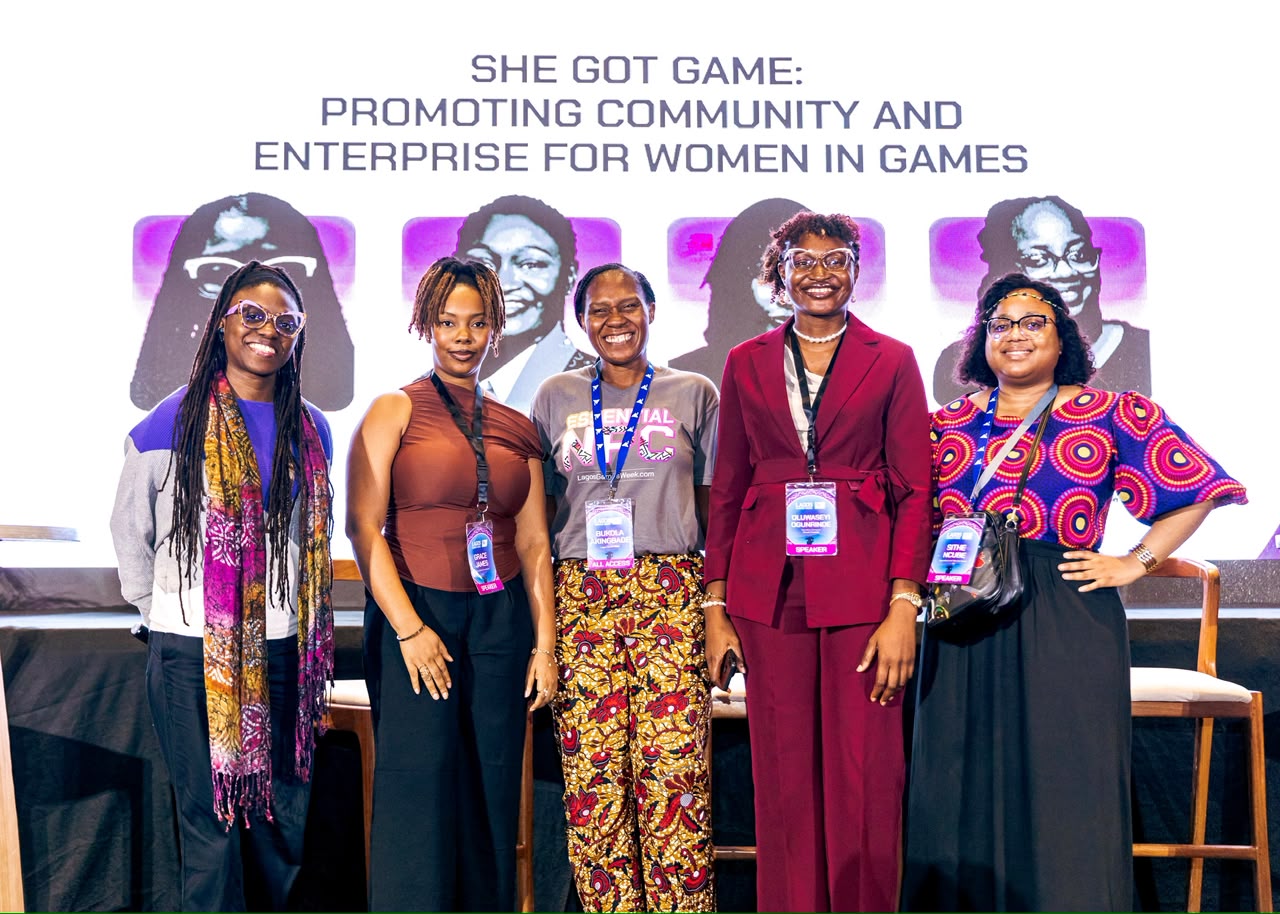
Several organisations, including Next Gen Summit, Woof Studios, She Got Game, Game Evo and Kon10dr, contributed to discussions around leadership development, career opportunities, diversity and inclusion within the gaming sector. Their participation reflected the industry’s growing commitment to creating an ecosystem that welcomes more young people into game development and related creative careers.
One of the major highlights of Lagos Games Week was the Pitch Stage competition, where emerging game studios presented their projects before judges and industry professionals. The winning studio will receive an all-expenses-paid trip to Gamescom in Germany, one of the world’s biggest gaming exhibitions. The opportunity offers valuable exposure to publishers, investors and international business partners who can help accelerate the growth of promising Nigerian studios.
Organisers also celebrated the achievements of previous participants. Gazuntype, one of last year’s Pitch Stage winners, is preparing to launch its game Go North on Xbox, marking an important milestone for Nigeria’s growing presence on global gaming platforms. Success stories like this demonstrate that local developers can compete internationally when they receive the right support and opportunities.
Industry stakeholders believe Nigeria possesses many of the ingredients needed to become one of Africa’s leading gaming hubs. A youthful population, increasing smartphone adoption, a rapidly expanding digital economy and a growing pool of creative talent provide a strong foundation for future growth. However, they insist these advantages must be matched with stronger investment, better infrastructure and deliberate ecosystem development to unlock the industry’s full economic potential.
As the global video game market continues to expand, experts say Nigeria cannot afford to miss the opportunity to establish itself as a significant player. With improved collaboration between government, investors, educational institutions and private companies, the country’s gaming industry could become a major contributor to job creation, digital innovation and export earnings. Lagos Games Week continues to position itself as an important platform for driving that vision forward and ensuring Nigerian developers have the support needed to compete successfully on the world stage.