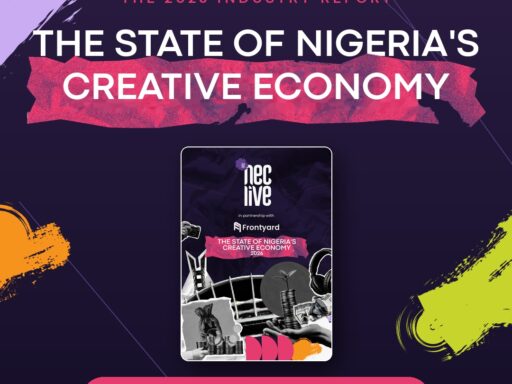

Nigeria has set itself an ambitious target. By 2030, the Federal Government wants the country’s creative economy and tourism sectors to contribute $100 billion to GDP while creating more than three million jobs. It is a vision that indicates the growing recognition of the creative economy as a serious economic sector, capable of driving diversification, exports and employment beyond oil.
Achieving this ambition, however, will require more than favorable policies, international partnerships and private investment. It will also depend on the level of resources, opportunities, and institutional support readily available to women, particularly those already investing a significant part of their energy and skills in building sustainable creative businesses.
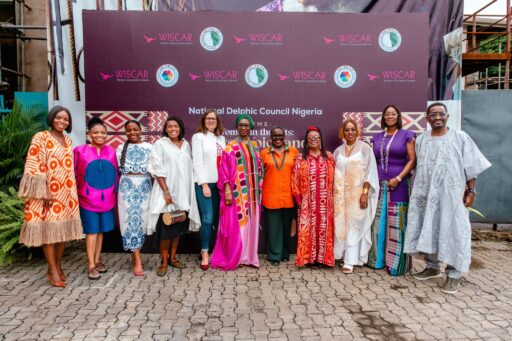
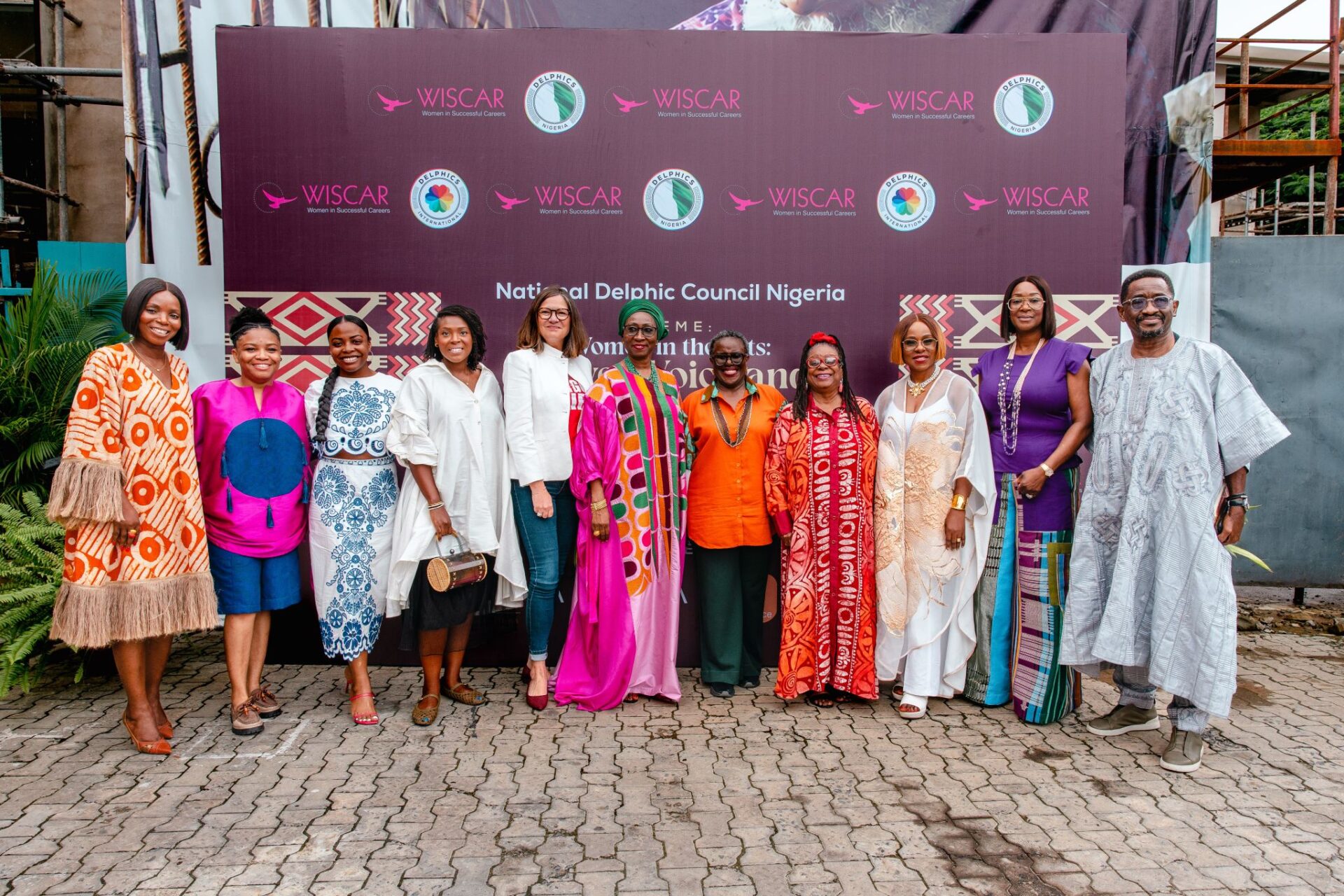
This broader conversation took center stage at the Women in the Arts: Power, Voice and Economic Impact convening, organized by the National Delphic Council Nigeria in partnership with Women in Successful Careers. Bringing together female leaders from film, theater, visual arts, cultural enterprise, public policy and development, the event explored a question that captures more than representation: what will it take for women to participate fully in the economic growth of Nigeria’s creative industries?
The conversation is about economics, not symbolism
Discussions about women in the creative industries typically focus on visibility, recognition and representation. While such conversations remain important, the message from this convening placed equal emphasis on economic participation.
Speaking at the event, Amina Oyagbola, President of the National Delphic Council Nigeria and Founder of WISCAR, argued that supporting women in the arts should no longer be viewed solely through the lens of gender inclusion. In her words, “Nigeria’s creative economy will not reach its full potential if the women driving culture, storytelling, enterprise and innovation remain under-supported.” She added, “This is no longer just a gender conversation. It is an economic imperative.“
Her remarks signal that the creative economy is now being understood differently. Around the world, policymakers and investors are beginning to pay closer attention to creative industries because they generate employment, stimulate innovation, strengthen exports and contribute to national competitiveness. Therefore, we need to develop concentrated activities that cover expanding opportunities for women not as a standalone social objective, but as a wider growth strategy.
Women already shape Nigeria’s creative industries
The argument for greater investment, quite frankly, begins with recognizing the role women already play across the sector. Women continue to shape many of the creative products and experiences that define Nigeria’s cultural influence both locally and internationally across film and television, fashion, publishing, music, theater, visual arts and cultural enterprise.
Nollywood alone produces more than 2,500 films annually, according to industry estimates, making it one of the world’s largest film industries by output. Beyond cinema, Nigerian fashion designers, writers, performers and cultural entrepreneurs have helped position the country’s creative sector as one of Africa’s strongest cultural exports.
READ ALSO: Folake Akindele Takes Over Kwara Garment Factory in Major Boost for Nigeria’s Fashion Industry
Yet participation does not always translate into equal access to opportunity.
Creative entrepreneurs often face significant barriers when attempting to scale their businesses, secure financing, expand into new markets or build the institutional networks that support long-term growth. Women frequently encounter these same structural challenges while also navigating additional barriers to leadership positions, investment opportunities and commercial visibility.
Growth depends on investment, not talent alone
A critical resounding theme from the convening is that talent is only one part of building a successful creative economy. Oyagbola seized the opportunity to clamor for stronger support systems that extend beyond celebrating creative excellence. She highlighted the need for improved access to financing, mentorship, infrastructure, policy inclusion and platforms capable of connecting entrepreneurs with wider markets.
Creative businesses struggle to access financing designed for their business models. Likewise, traditional lenders may find it difficult to assess intellectual property, creative projects or cultural enterprises using conventional lending frameworks. As a result, promising businesses can remain small despite strong commercial potential.
Infrastructure presents another challenge. Reliable production spaces, creative hubs, professional networks and business development support all influence whether creative entrepreneurs can expand beyond individual projects into sustainable enterprises.
Without these foundations, many businesses remain constrained by their operating environment rather than by the quality of their ideas.
Why this matters for Nigeria’s $100 billion ambition
Economic growth depends on productivity and the growth potential of businesses. Hence, if Nigeria hopes to build a creative economy capable of contributing $100 billion to GDP, the conversation cannot stop at nurturing creative talent. It must also address how creative businesses are financed, managed and scaled.
That includes ensuring women entrepreneurs can access the same opportunities to build larger companies, attract investment, create jobs and compete across regional and international markets.
Representing the Minister of Art, Culture, Tourism and the Creative Economy, Obi Asika, Director-General of the National Council for Arts and Culture, reaffirmed the importance of elevating women’s voices within Nigeria’s arts and culture ecosystem. His participation, alongside contributions from industry leaders including Joke Silva, Bolanle Austen-Peters and Temidayo Makanjuola, further strengthens the core message: that creative practitioners and stakeholders need adequate support.
A creative economy can only grow as fast as its people can
Nigeria already possesses many of the ingredients required to build a globally competitive creative economy: internationally recognized talent, strong cultural influence, entrepreneurial energy and growing global demand for African stories and creative products. That is why future growth looks more like helping creative entrepreneurs build businesses capable of lasting beyond individual projects and less like discovering talent.
A lot is at stake: investment, stronger institutions, and improved access to finance and deliberate efforts to remove barriers that prevent talented entrepreneurs from reaching larger markets. Women across Nigeria’s creative industries, undisputably, need expanded opportunities and targeted assistance to contribute better to one of the country’s most promising economic sectors.
If Nigeria is serious about building a $100 billion creative economy, supporting women has to become part of the country’s long-term economic strategy.