
Nigeria is ramping up efforts to reposition tourism and the creative economy as major drivers of national growth, with the Federal Government targeting a projected $100 billion contribution to GDP by 2030.
At the center of the strategy is a new push toward large-scale hospitality, entertainment, and cultural infrastructure projects backed through Public-Private Partnerships (PPPs).
The initiative follows ongoing discussions between the Infrastructure Concession Regulatory Commission (ICRC) and the Federal Ministry of Art, Culture, Tourism and the Creative Economy around a pipeline of major projects aimed at strengthening Nigeria’s tourism and creative ecosystem.
Among the proposed developments are a seven-star hotel, a modern concert and entertainment arena, and the rehabilitation of national museums for cultural tourism.
The discussions also explored potential collaboration with Netflix around film production, talent development, and creative training initiatives.
Tourism is being Repositioned as Economic Infrastructure
One of the biggest takeaways from the government’s latest position is the shift in how tourism infrastructure is being framed. According to Jobson Ewalefoh, tourism assets are no longer being viewed as luxury or lifestyle projects alone.
Instead, they are increasingly being treated as economic infrastructure capable of generating jobs, investment, tourism revenue, creative exports, and long-term economic value.
He explained that the initiative aligns with the broader infrastructure-focused agenda of President Bola Ahmed Tinubu.
According to Ewalefoh, “tourism infrastructure is no exception.”
He added that the ICRC is working to make PPP processes faster and more investor-friendly while maintaining transparency and compliance standards.
Why the Government is Betting on the Creative Economy
Nigeria’s entertainment and cultural sectors have become some of the country’s most globally visible industries over the last decade. From Afrobeats and Nollywood to fashion, food culture, and digital creators, Nigerian creativity has developed into a major soft power export.
However, despite global visibility, industry stakeholders have repeatedly pointed to infrastructure gaps limiting the sector’s ability to fully monetize its potential.
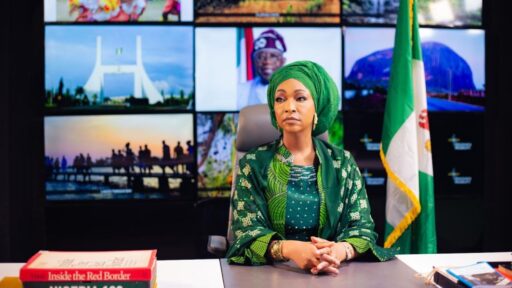
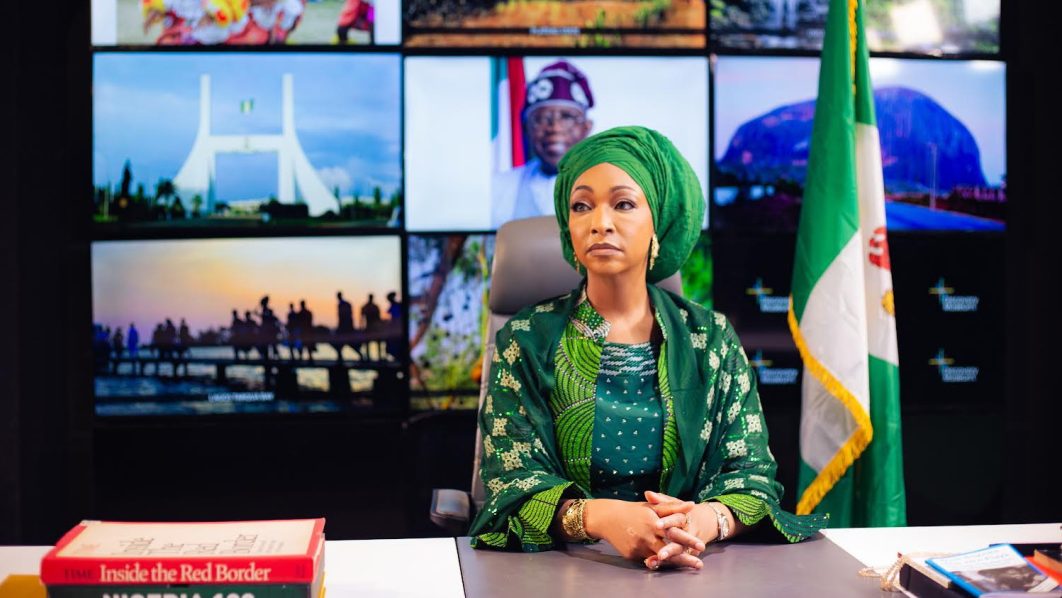
Speaking during the engagement, the Minister of Art, Culture and the Creative Economy of Nigeria, Hannatu Musawa noted that Nigeria’s creative sector continues to lose economic value due to weak infrastructure.
According to her, “Nigeria is known for its music, fashion, and food, yet we do not have the infrastructure to host the world.”
She pointed to the number of Nigerians traveling abroad for major concerts and entertainment experiences as evidence of untapped domestic opportunity.
The Push for World-Class Entertainment Infrastructure
The proposed projects reflect a broader ambition to position Nigeria as a stronger tourism and entertainment destination globally.
That includes building facilities capable of hosting international concerts, cultural festivals, global tourism events, film productions, and large-scale entertainment experiences.
The planned seven-star hotel and entertainment arena particularly signal an effort to compete more aggressively within Africa’s premium tourism and events market.
Stakeholders believe infrastructure of that scale could help increase tourism spending, strengthen hospitality revenue, attract global events, and create stronger economic linkages across entertainment, travel, retail, and culture.
Netflix and the Global Expansion of Nigerian Storytelling
The mention of possible collaboration with Netflix also highlights the growing international demand for Nigerian and African storytelling. Over the last several years, streaming platforms have played a major role in expanding the visibility of Nollywood and African content globally.
Potential partnerships around film production, creator training, talent development, and distribution could further strengthen Nigeria’s position within the global entertainment ecosystem.
It also reflects how governments are beginning to see creative industries as export-driven economic sectors with long-term commercial value.
PPPs are becoming Central to Nigeria’s Creative Infrastructure Strategy
Another key theme emerging from the discussions is the growing reliance on Public-Private Partnerships to close infrastructure gaps.
Across Africa, governments are now turning to PPP models to fund transportation, housing, energy, tourism, and creative economy projects.
The model allows governments to leverage private capital and operational expertise while reducing pressure on public funding. For Nigeria’s creative economy, this could become especially important given the scale of investment required to compete globally.
More than Entertainment
The conversations around tourism and creativity now extend far beyond culture alone.
They touch on other important aspects including economic diversification, urban development, international investment, employment generation, digital exports, and national branding.
As global demand for African culture continues expanding, Nigeria is attempting to position itself not just as a producer of talent, but as a destination capable of hosting the world around that talent.
That could be through hospitality, entertainment infrastructure, film production, or tourism experiences — however the case may be — the broader message from policymakers is becoming clearer: the creative economy is now being treated as serious economic policy.