Nigeria’s $15 Billion Creative Industry is Drawing Global Attention and Adobe Wants In
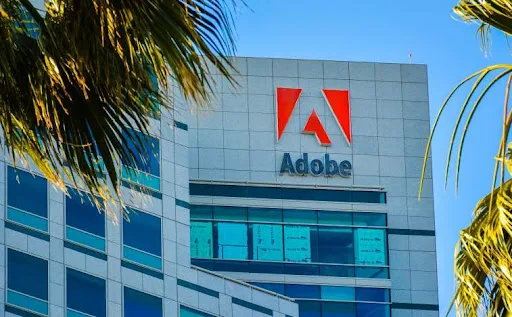
Nigeria’s growing creative economy is attracting renewed global interest as tech giantAdobe expands its presence in the country through a strategic partnership withRedington Nigeria.
The move signals a growing confidence in Nigeria’s digital and creative potential, particularly as the country’s creative sector continues to morph into one of Africa’s most influential economic and cultural forces.
Estimated to be worth over $15 billion, Nigeria’s creative industry has become a major driver of youth employment, digital innovation, global cultural influence, and entrepreneurship.
The industry is witnessing rapid growth across multiple sectors, namely music, film, fashion, content creation, and digital media — fueled by a young population, rising internet access, and growing global demand for African storytelling.
Why Global Companies are Paying Attention
For years, Nigeria’s creative economy has demonstrated cultural influence globally through Afrobeats, Nollywood, fashion exports, and digital creator culture
But beyond visibility, global companies are now beginning to recognize the industry’s commercial potential.
Adobe’s latest move reflects a larger shift in how international technology companies view African creative markets: not simply as emerging audiences, but as long-term growth ecosystems.
The company’s strategy in Nigeria focuses on crucial facets including expanding adoption of AI-powered creative tools, increasing market accessibility, strengthening local partnerships, and supporting digital productivity and content creation.
At the center of this push is the belief that Africa’s next generation of creators will require more sophisticated tools, infrastructure, and digital workflows to compete globally.
A Partnership Focused on Access and Scale
According to Redington Nigeria, the partnership comes at a time when creativity is becoming progressively central to how businesses communicate and grow.
Speaking on the collaboration, Ifeoma Anie, Head of Sales at Redington Nigeria, described the current moment as one of high-speed digital acceleration.
“We are in a digital acceleration moment, where businesses are evolving, consumers are more connected, and creativity is now at the centre of how brands communicate and compete,” she said.
The collaboration aims to address several long-standing gaps within the ecosystem, including limited access to professional tools, affordability challenges, fragmented distribution systems, and insufficient technical training.
By combining Adobe’s global expertise with Redington’s local distribution network, the initiative is expected to support SMEs, content creators, creative entrepreneurs, and digital businesses.
The Growing Role of AI in Creativity
A major part of Adobe’s expansion strategy revolves around artificial intelligence. The company introduced a suite of AI-powered tools designed to improve productivity, collaboration, content creation workflows, and operational efficiency.
Among them is Acrobat Studio, positioned as an all-in-one platform for simplifying document management and reducing workflow inefficiencies.
For Nigeria’s creative industry, the introduction of AI-powered creative tools represents more than just technological advancement. It signals a lowering of barriers to entry.
Now more than ever before, creators can produce faster, work more efficiently, access professional-grade tools, and scale output with fewer limitations.
This shift is especially important in an industry where access to high-end production infrastructure has historically been uneven.
Nigeria’s Creative Economy is Expanding Beyond Entertainment
What makes Nigeria’s creative sector peculiarly attractive is that it now extends far beyond entertainment alone.
Today’s creative economy includes — to mention a few — digital creators, creative-tech startups, independent designers, multimedia producers, brand strategists, online educators, and AI-assisted creators.
This broader ecosystem is creating new pathways for creatives exploring how to turn their creativity into income in more sustainable ways.
It is also encouraging more young creatives to think beyond visibility and toward ownership, infrastructure, and long-term scalability.
The Challenges Still Holding the Industry Back
Despite its growth, Nigeria’s creative industry continues to face major structural challenges.
These include piracy and intellectual property concerns, inconsistent infrastructure, limited access to funding, affordability barriers for tools and software, and insufficient technical training.
These issues continue to affect how quickly the industry can scale globally.
However, industry stakeholders believe partnerships like Adobe and Redington’s could help bridge some of these gaps by democratizing access to tools and expanding local production capacity.
Why This Matters for African Creatives
The significance of this development goes beyond one partnership. It signals a growing recognition that Africa’s creative economy is no longer operating at the margins of global innovation.
And also that global companies are increasingly investing early in creative ecosystems they believe will shape the future of digital culture and commerce.
For creatives, this creates opportunities to access better tools, improve production quality, compete internationally, and build more scalable creative businesses.
It also reinforces a larger trend already visible across the industry: creatives are becoming founders, operators, and ecosystem builders, not just artists.
The Bigger Picture
Adobe’s expansion into Nigeria represents a growing global confidence in the future of African creativity. As technology, AI, and digital culture continue to reshape creative industries worldwide, Nigeria is positioning itself as one of the continent’s most important creative hubs.
But for that potential to be fully realized, growth will require more than talent alone. It will depend on infrastructure, policy support, skills development, intellectual property protection, and access to tools and funding.
For while Nigerian creativity is already influencing the world culturally, the next phase will be determined by how effectively that creativity can scale economically.
What Happens Next
The noticeable involvement of global companies in Nigeria’s creative ecosystem indicates a major transition point for the industry.
The conversation seems to have moved beyond recognition alone. It is now about investment, infrastructure, digital capability, and long-term creative sustainability.
For many creatives and creative businesses, this could mark the beginning of a more globally connected and technologically enabled era: one where African creators are not simply participating in the future of creativity, but actively shaping it.