
As more creatives in Nigeria turn their skills into income through freelancing, content creation, design, photography, writing, music, and digital services, one topic is often ignored until it becomes a problem and that is, TAXES.
Understanding how taxes work in Nigeria as a creative, especially in 2026 and going forward, is essential if you want to grow sustainably, avoid penalties, and position yourself as a serious creative business. This guide breaks down what creatives need to know about taxes and income structure in Nigeria, breaking it down to the smallest detail.
Do Creatives in Nigeria Have to Pay Tax?
Yes. Whether you’re a freelancer, content creator, designer, or creative entrepreneur, earning income in Nigeria makes you taxable under Nigerian law.
Many creatives assume taxes only apply to big companies or people with offices. Whereas, in reality:
- If you earn income regularly, you are taxable.
- If you provide services, you are taxable.
- If you sell products or digital services, you are taxable.
The major difference is how you are taxed, not if.
Understanding Income Structure for Creatives in Nigeria
Your income structure determines the type of tax you pay. Most creatives fall into one of these categories:
- Individual / Self-Employed Creative
This includes freelancers, solo creatives, and independent contractors.
Taxed under Personal Income Tax (PIT)
Managed by your State Internal Revenue Service
You are expected to file annual tax returns
Examples: Freelance designers, Writers, Photographers, DJs, Producers, Content creators earning from brands or platforms, etc.
- Registered Business or Company
Creatives who register a business name or limited liability company fall into this category.
Business Name → Still Personal Income Tax
Limited Liability Company → Company Income Tax (CIT)
Registration doesn’t increase your tax burden automatically. It typically helps with structure and credibility.
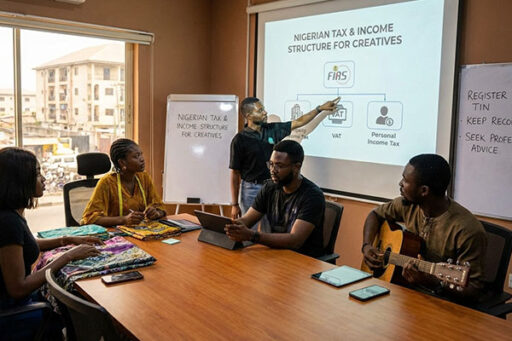
Key Taxes Creatives Should Know in Nigeria
- Personal Income Tax (PIT)
This applies to most creatives operating as individuals.
Tax rates are graduated, based on income. Low earners pay little or nothing while Higher earners pay more. You only pay tax on taxable income, not total earnings.
- Company Income Tax (CIT)
For creatives operating as registered companies.
Small companies (low turnover) may enjoy tax exemptions whereas medium and large companies pay standard rates and is Filed annually with the Federal Inland Revenue Service (FIRS).
- Value Added Tax (VAT)
VAT applies when you sell goods or certain services.
The current VAT rate in Nigeria is 7.5% and is charged on eligible goods and services. This typically collected from customers and remitted to FIRS
You should note that not all creative services attract VAT, but product sales often do.
- Withholding Tax (WHT)
This is one tax many creatives encounter without realizing it. Clients may deduct 5% or 10% from your payment.
This is not extra tax. Rather, it’s an advance payment. You can offset it against your annual tax. Remember to always request a Withholding Tax Credit Note.
Common Tax Mistakes Creatives Make
Many Nigerian creatives run into trouble because they:
- Don’t register with tax authorities
- Don’t keep records of income and expenses
- Ignore withholding tax deductions
- Assume online income isn’t taxable
- Only think about taxes when problems arise
But here’s the thing, Taxes become stressful when ignored, not when planned for.
How Creatives Can Stay Tax-Compliant Without Stress
Here are simple steps creatives can take to be Tax-Compliant:
- Register with your state tax authority
- Keep basic income and expense records
- Separate personal and business finances
- Ask clients about withholding tax
- Seek professional advice as income grows
It doesn’t have to be perfect from the start but you just have to be intentional.
Why Understanding Taxes Helps Creatives Grow
When you understand your income structure and tax obligations:
- You price your services better
- You appear more professional to clients
- You qualify for corporate opportunities
- You reduce the risk of penalties
- You build a sustainable creative business
Try as much as possible not to see Taxes as punishment. Rather, see them as they’re part of growth.
In conclusion, creatives in Nigeria are no longer “just hustling.” Many are building real businesses with real income. Understanding current taxes and income structure in Nigeria is no longer optional. It’s a necessary step toward long-term success.
At GetCreativeMoney, we believe financial clarity empowers creatives to earn confidently, grow sustainably, and build businesses that last.
Until our next article, stay positive and stay tax-compliant.